
- History of selection
- Advantages and disadvantages
- Growing regions
- Varieties
- On rootstock M9
- Dwarf
- Semi-dwarf
- Columnar
- General description and characteristics of the tree
- Size and annual growth
- Fruiting
- Flowering and pollinators
- Ripening time and yield
- Apple tasting evaluation
- Fruit collection and use
- Immunity to scab and other diseases
- Resistance to low temperatures and drought
- Specifics of planting and care
- Site selection and preparation
- Timing and scheme for planting seedlings
- Watering the seedling
- Fertilizer
- Loosening and mulching the soil
- Trimming
- Seasonal treatments
- Preparing for the winter period
- Methods of reproduction
- Gardeners' reviews of the variety
Today, breeders have developed a large number of fruit tree hybrids to suit every taste. For example, the Ligol apple tree is an easy-to-grow variety that can withstand harsh climates. It is one of those varieties that thrives in northern regions.
History of selection
The Ligol variety was developed in Poland in 1971. To create the new variety, Linda and Golden Delicious hybrids were crossed. Ligol is now common in many regions around the world.
Advantages and disadvantages
The benefits of growing the Ligol variety include:
- Unpretentiousness to climatic conditions.
- Frost resistance.
- High yield.
- Abundant fruiting.
- After harvesting, the crop can be stored for a long time.
- Good transportability over long distances.
- Immunity to powdery mildew and scab.
Among the disadvantages is a predisposition to fire blight. Also, if stored incorrectly, apples develop a bitter taste and sunburned skin.
Growing regions
The Ligol apple variety is suitable for growing in any climate zone. Due to its frost resistance, the hybrid is also grown in northern regions.
Varieties
Several varieties of apple trees were bred on the basis of the Ligol hybrid.
On rootstock M9
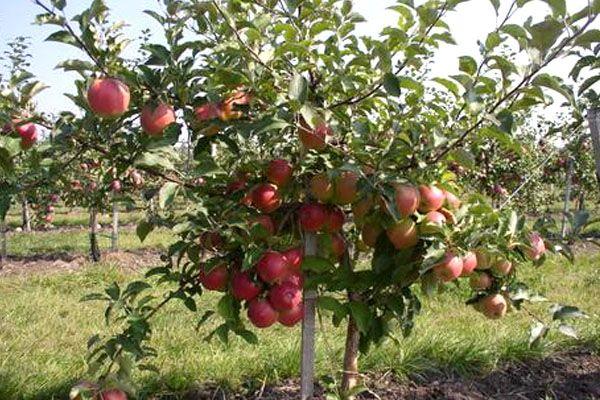
The variety is frost-resistant and can withstand temperatures down to -30 degrees. The seedlings begin bearing fruit very early, in the second year after planting. The trees are low-growing, reaching no more than 3 meters in height, and produce a good yield, with up to 30 kg of apples harvested per tree.
Dwarf
Dwarf apple trees are grown on dwarf rootstocks. In Russia, the M9 rootstock is most commonly used.
Semi-dwarf
In some cases, the Ligol apple tree is grafted onto the semi-dwarf rootstock 62 396.
Columnar
This variety is characterized by a crown in the shape of a wide cone.

General description and characteristics of the tree
Before purchasing a seedling, you need to carefully study the main characteristics and description of the Ligol apple variety.
Size and annual growth
This variety is dwarfed, reaching a mature height of no more than 3 meters. Its crown is broad, pyramidal, and moderately spreading. The tree produces numerous new shoots each year, requiring regular thinning pruning. Annual growth is up to 1 meter. Shoot growth ceases at the end of August.
Fruiting
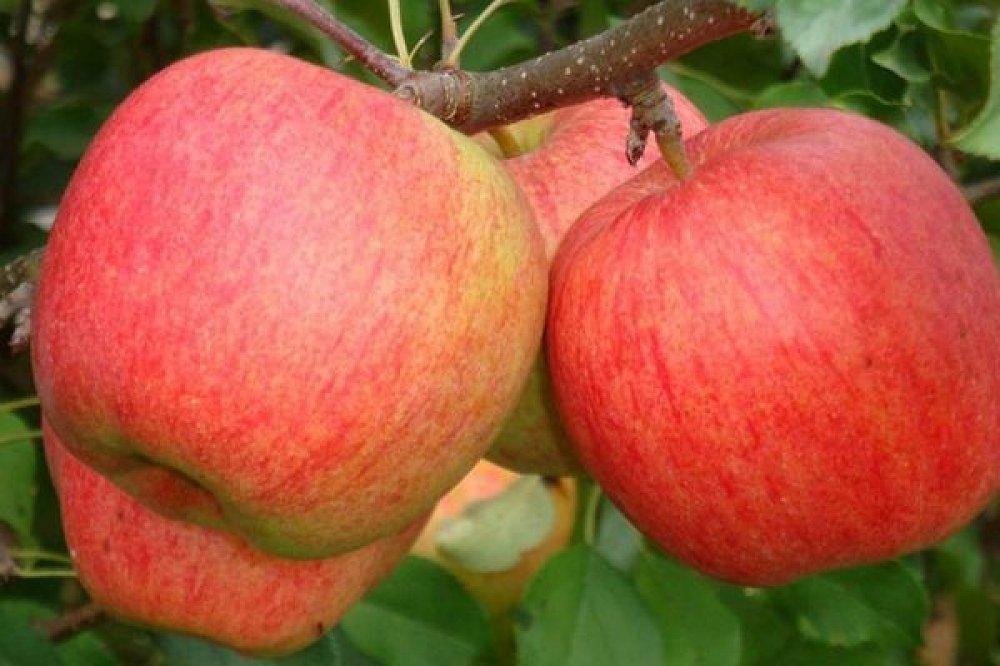
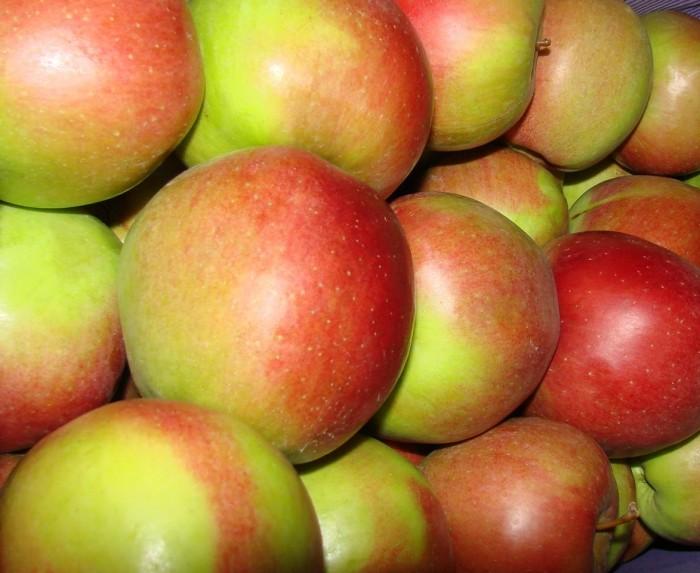
The yield is abundant, with up to 40 kg of fruit being harvested from a single tree. The apples are large, with a maximum weight of 500 g. The older the tree, the smaller the apples it produces. The skin is a crimson-red hue with a pinkish blush. The apples are rounded, with ribbed skin near the stem. A lateral seam is also visible on some fruits.
Flowering and pollinators
The flowering period is mid-early, with the inflorescences opening around mid-May and lasting for about two weeks. The Ligol variety is self-sterile, so pollinator trees should be planted nearby. These include:
- Spartan;
- Champion Arno;
- Gloucester;
- Lobo;
- Gold Rush;
- Golden Delicious.
Any other varieties whose flowering period coincides with the Ligol hybrid are also suitable.

Ripening time and yield
The yield is high, with a mature tree yielding up to 40 kg of fruit. Five-year-old trees yield up to 15 kg of apples. After 10 years, yields begin to decline. The apples ripen late. The Ligol apple tree is a winter apple, so even after harvesting, the apples are not yet fully ready for consumption, even if they have fallen. The fruit needs some time to mature. The harvest ripens by mid-September.
Apple picking continues until the end of October.
Apple tasting evaluation
The flesh is sweet, juicy, fine-grained, with a pleasant tart flavor. It has a creamy hue. The skin is firm. These apples are very tasty; the hybrid is considered a dessert variety. The tasting score is 4.7 out of 5.
Fruit collection and use
The fruits are harvested around mid-autumn. It's not necessary to wait for them to fall; it's better to pick them straight from the tree. Ligol apples are eaten in winter, after they've been stored and ripened. Only then does their full flavor unfold. The fruits are also used for preserves and baked goods.
Immunity to scab and other diseases
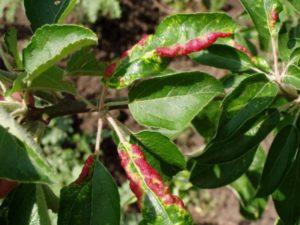
The Ligol apple hybrid is resistant to scab and powdery mildew (both downy and true). However, the trees have weak immunity to fire blight and some wood diseases. This is a weak point, so the apple tree requires preventative treatments against these diseases.

Resistance to low temperatures and drought
One of the main advantages of this hybrid is its frost resistance. The tree can withstand temperatures down to -30 degrees Celsius, making it suitable for planting in northern regions. The apple tree also tolerates drought well. However, during prolonged hot weather, it's important to monitor the tree's appearance and, if necessary, water it more frequently and thoroughly.
Specifics of planting and care
The first important step is planting the seedling correctly. The second crucial aspect of growing an apple tree is tree care. Even the most undemanding variety will, without proper care, begin to bear less fruit and become more susceptible to disease over time.
Site selection and preparation
Apple trees prefer open, sunny sites protected from cold drafts. South- or west-facing slopes are preferred. Apple trees thrive in light, fertile soils with good drainage.
It is better if it is black soil or loamy soil.
The planting area is prepared in the fall. The soil is dug over, weeds are pulled out, and rotted manure or compost is added. In the spring, the soil is dug over again and a complex mineral fertilizer is added. After these steps, the seedling can be planted in its permanent location.

Timing and scheme for planting seedlings
In regions with frosty winters and late springs, it is recommended to plant seedlings in open ground in the spring after the soil has warmed to a depth of 12-15 cm and before the sap begins to flow. Over the summer, the seedlings will have time to take root and begin active growth the following year. In southern regions, planting can be postponed until autumn.
How to plant apple tree seedlings:
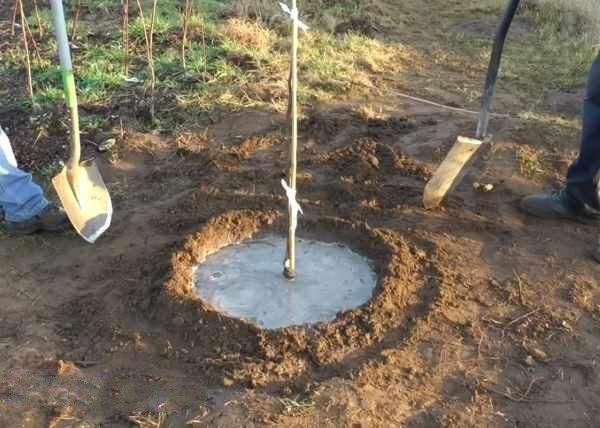
- Dig a hole 80 cm deep and 85 cm wide.
- Add fine drainage material to the bottom.
- Drive a stake into the center of the hole.
- Place the seedling and cover it with soil.
- Tie to a stake.
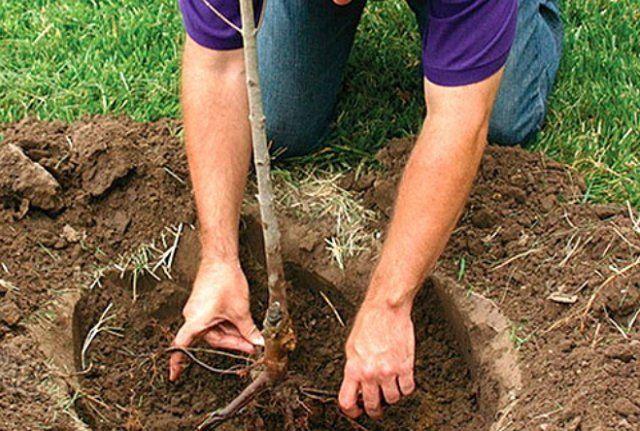
At the end of planting, water generously with warm water. If you plan to plant several trees close together, leave up to 3 meters between them. Leave the same distance if other fruit trees or shrubs are already growing nearby.
Watering the seedling
The first watering is done in early spring, before the buds open. This is especially important if the seedling is still young. Mature trees require irrigation much less frequently if there has been a prolonged drought.
Apple trees should also be watered during flowering and fruit set. During harvest, the soil should be irrigated only if the weather is hot.
One tree requires 40-50 liters of water. Only warm water should be used. Watering with cold water can lead to fungal diseases.

Fertilizer
To ensure abundant fruiting, apple trees require regular fertilization. The first fertilization is done in early spring. Nitrogen is added to the soil. It is essential for the tree to actively enter the growth phase and develop foliage.
During flowering and fruit set, phosphorus and potassium are added to the soil. These nutrients increase the number of fruit sets and improve the apples' flavor.
In addition to mineral fertilizers, organic fertilizers are also important. Add rotted manure, bird droppings, and wood ash or bone meal to the soil. Watering with weed infusions is also beneficial. The key is to avoid overdoing it and applying everything at once.

You can tell a tree is overfed by its appearance. The crown becomes heavily foliated, but fruit production is low.
Loosening and mulching the soil
Several times a month, loosen the soil and pull out all growing weeds on the site. It's advisable to weed the soil before watering. The water will saturate the root system with oxygen.
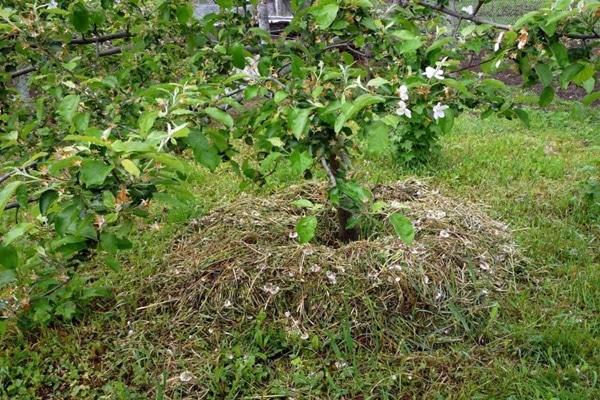
To avoid having to fight weeds, the soil around the trunk is mulched. Peat, sawdust, grass clippings, straw, pine needles, and pine cones are all used as mulch. The thicker the mulch layer, the better it is for the tree. Another advantage of mulching is that it keeps the soil evenly moist and prevents cracking during drought.
Trimming
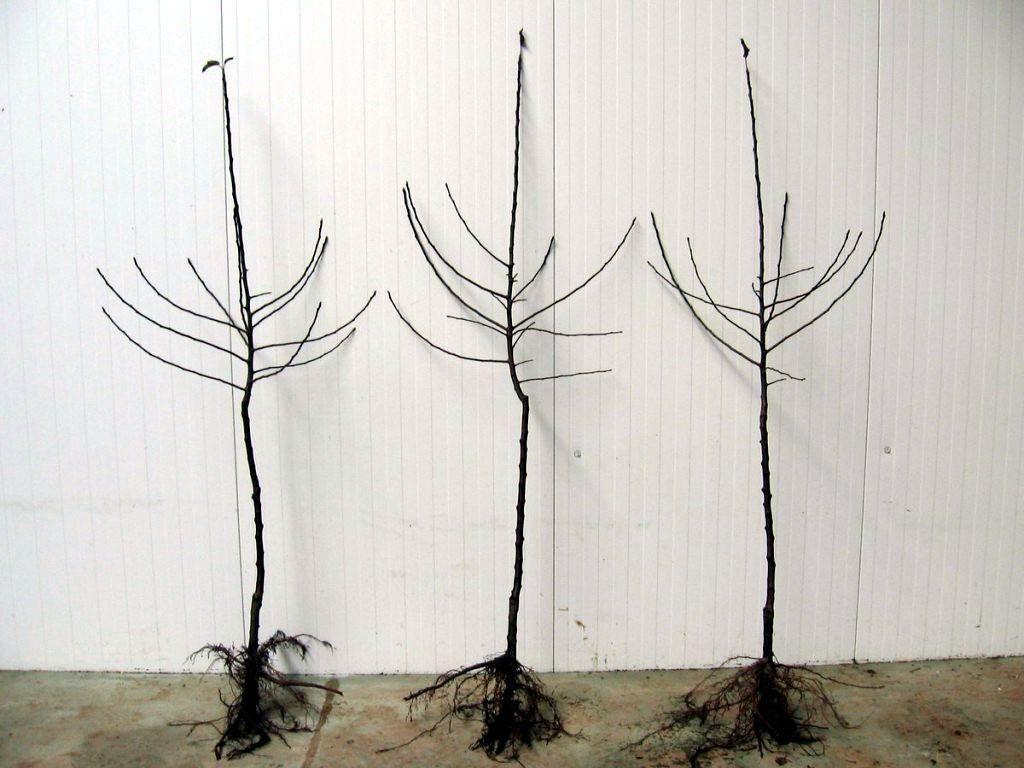
Pruning of the seedling is carried out immediately after planting.
- Cut off the top of the main trunk.
- Next year, leave 3-4 large branches on the seedling and trim the rest.
- In the third year, cut off the tops of last year’s branches and cut off young growth (you can leave several large branches).
- In the fourth year, the crown will be formed; you can only correct it by cutting off some of the weak branches.
Sanitary pruning is essential every fall. Dead and damaged branches are trimmed. In the summer, thinning pruning is performed as needed if the crown has become too dense.
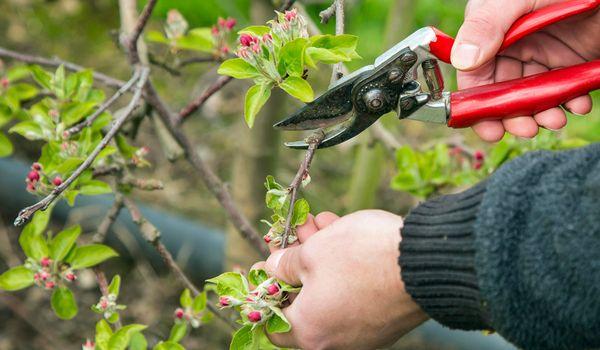
For pruning, use sharp pruning shears that won't leave kinks. After each cut, wipe the shears with rubbing alcohol and treat the cut area with garden pitch. These steps will help prevent many diseases that often arise from improper pruning.
Seasonal treatments
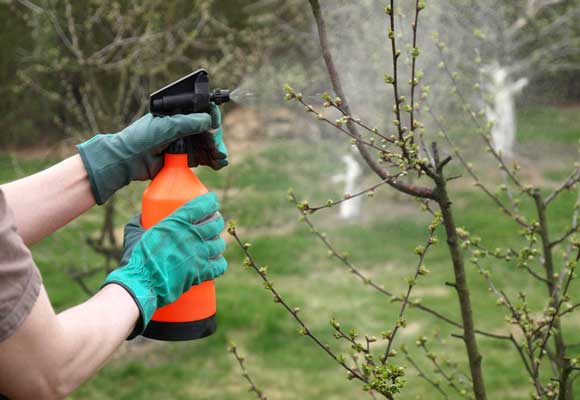
To prevent diseases in early spring, spray the apple tree with Bordeaux mixture or copper sulfate. Then, till the soil before it warms up completely.
In the fall, after the harvest, the leaves are raked. This is especially important if the tree had to be treated for any diseases during the summer. The leaves are then burned.
Then, dig the soil to a depth of 15-20 cm. Digging the soil will help prevent an insect infestation in the spring. Many pests either overwinter in the soil or lay eggs there, so insects appear suddenly in the spring, as soon as the soil warms up.
Preparing for the winter period
Before the onset of cold weather, rotted manure or bird droppings are added to the soil so that the tree can better withstand the cold and does not experience a lack of nutrients in the spring.
Sanitary pruning is mandatory, and the area is cleared of leaves, rotten fruit, and grass.
If mice chew the bark in winter, wrap the lower part of the trunk with several layers of burlap or roofing felt. Since the Ligol variety is winter-hardy, preparing the tree for winter doesn't require much time.

Methods of reproduction
There are several ways to propagate apple trees:
- seedlings;
- by cuttings;
- young growth.
The easiest and fastest way to grow apple trees is from ready-made seedlings grown in nurseries. Typically, one- or two-year-old trees are used for planting.
Another method of propagation is cuttings. For this method, cuttings are taken in the fall. One-year-old, healthy shoots with 3-4 buds are cut. They are stored in a cool place until the end of February. Then, they are planted in the ground and rooted before the onset of warm weather. Once the soil has warmed up, the cuttings are transplanted into open ground.
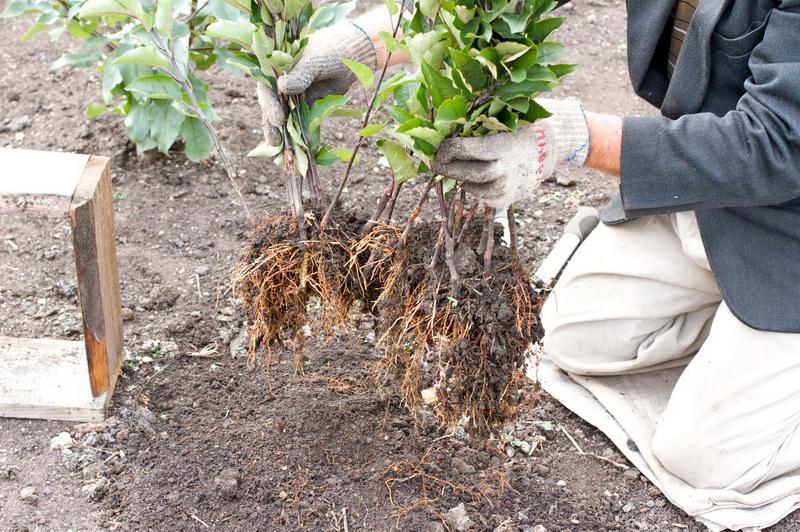
The easiest way is to plant shoots. To do this, dig up young bushes growing near the tree and replant them.
Gardeners' reviews of the variety
Marina, 45: "An excellent, productive variety. The apples keep for a long time after picking; we kept them almost until spring. The flesh is sweet and juicy. But only if the apples sit for a while after picking. The tree is covered in fruit; we have to support the branches to keep them from breaking. An excellent variety."
Ivan, 39: "I planted a Ligol apple tree seedling several years ago. It began bearing fruit early, in its third year. Now the tree bears fruit abundantly every year, and it's covered in large apples. I'm also pleased that the harvested fruit lasts until winter without spoiling. I'd also like to say that in all the years I've been growing it, it has never been sick, although I've had to treat other trees growing nearby."
Related posts:
 How to plant walnuts, care for them, and grow them at home
 Description of the Red Early apple tree variety, agricultural technology and specific care
 Descriptions of the 20 best cherry varieties for the Moscow region, their planting and care
 Description and cultivation of the Skorospelka pear variety from Michurinsk
 Peach tree care and agricultural secrets, pest control
 The best grape varieties for growing in the Urals, planting and care rules in summer
 Description and characteristics of the Tyutchevka cherry variety, planting and care
 Description of the Chudnoe apple variety, planting and caring for a dwarf tree