
- The history of selection and cultivation area of the apple tree "Prizemlennye"
- What climate conditions is the crop adapted to?
- Advantages and disadvantages
- What is special about this variety?
- Size and annual growth
- Crown and branches
- Foliage and buds
- Fruiting of the tree
- Periodicity
- Flowering and pollination
- Ripening time and yield per tree
- Harvesting and storage
- Fruit tasting and the scope of apple trees
- Winter hardiness and drought resistance
- Susceptibility to diseases and pests
- Features of cultivation
- Required soil composition
- Selecting and preparing a landing site
- Dimensions and depth of the planting hole
- Timing and step-by-step algorithm for planting a seedling
- Watering mode
- We apply fertilizers
- We trim and shape the crown
- Loosening and mulching the tree trunk circle
- Prevention and protection of wood
- Preparing for the winter season
- Methods of reproduction
- Gardeners' reviews of the "Prizemlennye" variety
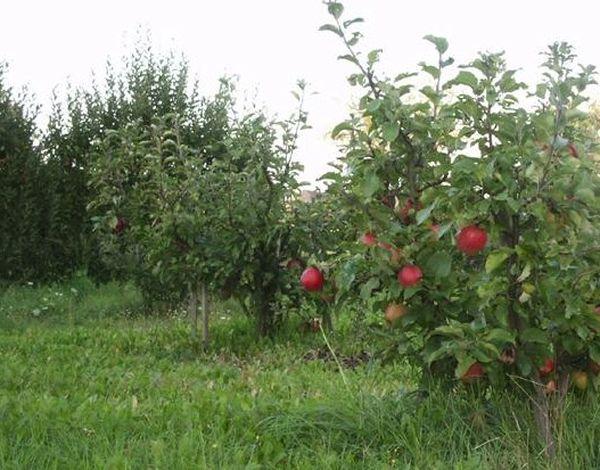
The dwarf apple tree variety "Prizemlenny" exemplifies the efforts of breeders to create miniature trees for orchards. This apple tree belongs to the natural dwarf subspecies, with plant heights ranging from 1.5 to 2.5 meters depending on the rootstock. The variety is suitable for growing in small plots. "Prizemlenny" is a variety zoned for the Urals and suitable for Siberia and the Volga region.
The history of selection and cultivation area of the apple tree "Prizemlennye"
The "Prizemlenny" apple tree is a variety bred in the South Urals. It is recommended for cultivation in the Urals, Siberia, the Volga region, the Moscow region, and the Leningrad region. The cultivars are Putyatin, Mazunina, and Mazunin. This dwarf apple tree was created through a complex genetic cross between the 1-63-197 hybrid and the Vydubetskaya Weeping apple tree.
What climate conditions is the crop adapted to?
The "Prizemlennye" variety is distinguished by its increased winter hardiness and low maintenance requirements. These qualities make it suitable for growing in areas with variable, cold climates. This low-growing variety is suitable for planting in Siberia, the Urals, the Volga region, the Moscow region, and the Leningrad region.
Advantages and disadvantages
The Prizemlennye variety has a number of advantages:
- The first harvest can be obtained a year after planting.
- The variety is suitable for growing in small areas.
- The root system is located superficially, the trees are suitable for areas with a high level of groundwater.
- Convenient harvesting.
- Frost resistance.
The disadvantages of the variety include:
- Short shelf life of ripe fruits.
- Small fruits.
- Partial self-pollination, without pollinators the yield is revealed by 40%.
- Regular fruiting.
This low-growing hybrid is frost-resistant and suitable for cultivation throughout our country.
What is special about this variety?
The variety is characterized by its low growth and ability to produce abundant harvests in areas with high groundwater levels. The tree requires pollinators, such as the Osennee Narrow-Shouldered and Kovrovoe varieties.
Size and annual growth
A mature tree reaches a height of 1.5 to 2.5 meters, depending on the rootstock type. The dwarf tree grows quite quickly, averaging 30 centimeters per year.
Crown and branches
The crown of the "Prizemlenny" is rounded, flat, and compact. The tree's shape is pyramidal. The branches are medium-sized and capable of growing horizontally. This miniature apple tree bears fruit on all branches, including last year's shoots. The bark is brownish-green.
Foliage and buds
The leaf blades of the 'Prizemlenny' are quite large, oval-shaped, and slightly elongated. The leaf edges are finely serrated.
Fruiting of the tree
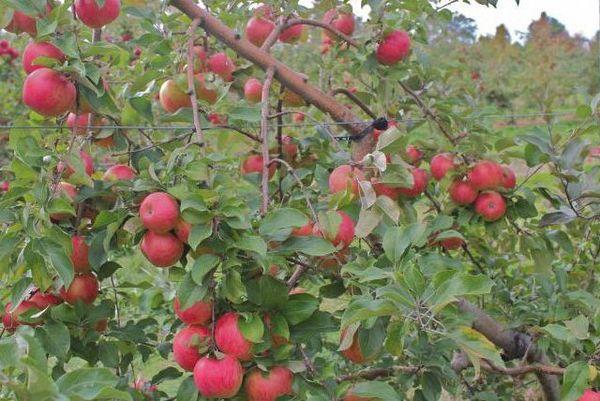
The variety is characterized by regular fruiting with a short growing season.
The first harvest can be obtained from an apple tree one year after grafting.
Periodicity
The dwarf tree delights gardeners with a harvest every year. With proper care, the first apples are harvested a year after grafting.
Flowering and pollination
The variety is partially self-fertile. The presence of pollinators doubles the yield. Best neighbors are other low-growing apple varieties, such as 'Kovrovoe' and 'Osennee Narrow-Shouldered'. This miniature beauty blooms in mid-May, with abundant, long-lasting blooms beginning on the lower branches.
Ripening time and yield per tree
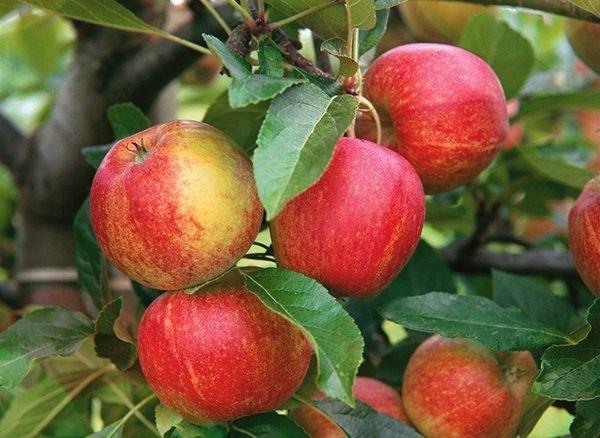
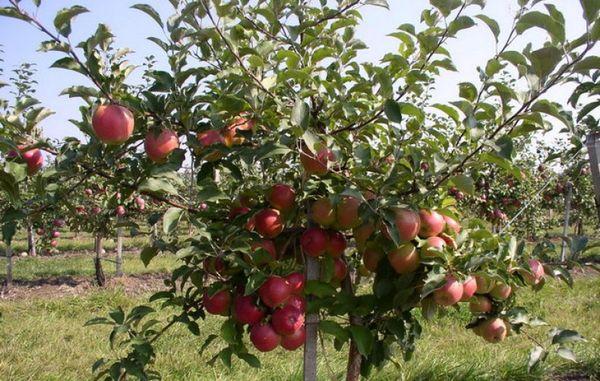
Harvesting can begin in September. The apple tree is highly productive for a dwarf variety. A single tree can yield up to 130 kilograms of aromatic fruit. The average fruit weight is 90 grams.
Harvesting and storage
Harvested apples can be stored for no more than two months; if stored for longer, the fruit darkens. Due to the variety's low growth, harvesting is easy and requires no additional equipment.
Fruit tasting and the scope of apple trees
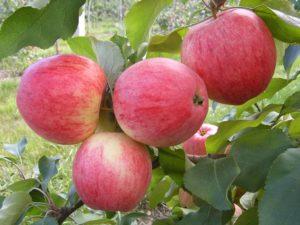
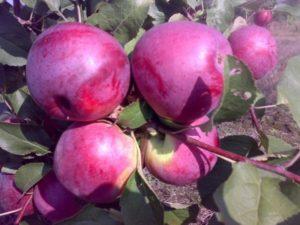
The "Prizemlennye" apples have excellent flavor. The flesh is firm and crisp, with a distinct apple aroma. The sugar content is 11%, and the flavor is slightly tart.
Winter hardiness and drought resistance
The miniature apple tree can withstand frosty winters with little snow, with temperatures dropping to -40 C. The variety tolerates drought well, due to its highly developed superficial root system.
Susceptibility to diseases and pests
The Prizemlenny apple tree variety has strong immunity to fungal diseases. It is virtually unaffected by scab, even during outbreaks.
Features of cultivation
The "Primelennoe" is an easy-to-grow dwarf apple tree. Care consists of watering, fertilizing, and crown shaping.
Preventive treatment of apple trees against insects and pests is necessary.
Required soil composition
The optimal soil pH for an apple orchard is neutral. Avoid waterlogged areas. The tree can grow in a variety of soils, but light, chernozem soils are preferred.
Selecting and preparing a landing site
A southeast-facing site, protected from wind and sun, without excessive shade, is the ideal location for apple trees. The planting site is prepared in advance. The soil is dug, weeds are removed, and planting holes are marked.
Dimensions and depth of the planting hole
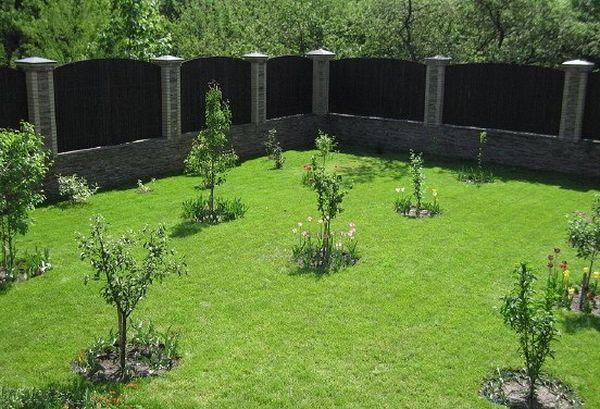
The optimal depth and diameter of a hole for a dwarf apple tree are 0.5 meters. Fill the hole with rotted manure, wood ash, and urea. Space the seedlings approximately 1.5-2 meters apart.
Timing and step-by-step algorithm for planting a seedling
It's best to plant seedlings in the spring; summer planting is also common. When planting in the fall, allow at least a month before the first frost.
Sapling planting algorithm:
- Drainage made of expanded clay and sand must be installed in the prepared holes.
- Organic fertilizers mixed with wood ash are added to the hole, and 2 handfuls of urea are added.
- In the center of the hole, make a small mound on which the roots of the young apple tree are carefully spread.
- The seedling is covered with earth, watered, the soil is compacted, and the soil is mulched.
Note: Do not add fresh manure to the planting hole. The fertilizer will be concentrated and may burn the plant.
Watering mode
The seedling requires ample watering for a month after planting. After that, reduce the frequency based on weather conditions. Overwatering is dangerous for all types of fruit trees.
We apply fertilizers
Dwarf apple trees don't require regular fertilizing. Potassium-phosphorus complexes and calcium are important for apple trees during flowering and bud formation. Fertilization begins the following year after planting.
They use superphosphate, an infusion of cow dung or bird droppings, and mulch the tree trunk circle with wood ash and humus.
We trim and shape the crown
Dwarf apple trees have flat, compact crowns that are easy to maintain. Regular pruning is essential, as long as dead branches and excess lateral shoots are removed promptly.
Loosening and mulching the tree trunk circle
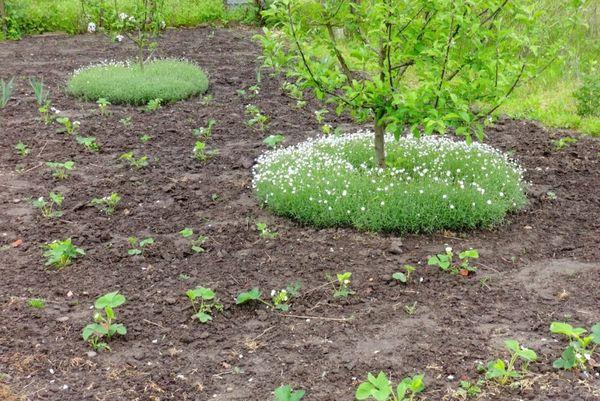
Freshly cut grass, wood shavings, and hay are traditional mulches for apple trees. Mulching the area around the tree trunk helps maintain optimal soil moisture and prevents weeds. Since apple tree roots are located close to the surface, loosening the soil is done to a depth of no more than 7 centimeters.
Prevention and protection of wood
Protecting apple trees from insect pests and fungal infections involves a range of plant care measures:
- In early spring and after harvesting, the trunks are whitewashed with lime.
- Regular sanitary pruning of trees.
- Application of fungicides before flowering.
- Clearing the tree trunk area of weeds and mulching the tree trunk circle.
It's recommended to plant herbs and plants with a strong aroma near trees. Marigolds, calendula, mint, coriander, and basil are good choices.
Preparing for the winter season
The grounded apple tree does not require winter shelter. It is recommended to protect the tree's trunk with spruce branches from attacks by hares and rodents. The root system can be protected with last year's leaves or mown grass.
Methods of reproduction
Propagating dwarf apple tree varieties is not easy; only experienced gardeners can do it. The primary method of propagation is grafting. Beginners are recommended to purchase dwarf apple tree seedlings from nurseries or specialty stores.
Gardeners' reviews of the "Prizemlennye" variety
Olga Alexandrovna Koltsova, 59, Tolyatti: "This miniature apple tree is a beautiful addition to any garden; it blooms magnificently and forms a beautiful tree. I was pleasantly surprised by the yield of the 'Prizemlennye' variety. The apples don't fall off the tree, making them very easy to pick. They are delicious, with a hint of tartness. I use the harvest for jam and preserves; the apples don't keep for long, as the flesh begins to turn black. I recommend it to all gardeners for growing in small areas."
Related posts:
 Description of the Chudnoe apple variety, planting and caring for a dwarf tree
 Description and varieties of the Sinap apple tree, planting and care rules
 Description of the 10 best columnar apple tree varieties for the Moscow region, planting and cultivation
 Signs and treatment of apple tree cancer, varieties resistant to the disease
 Description and characteristics of the Orlovim apple variety, cultivation nuances
 Description and planting of the Dream apple tree variety, care and propagation
 Description and varieties of Gala apple trees, planting and care in open ground
 Description and characteristics of the Champion apple tree variety, cultivation technology