
- Selection of the Stroevskoye apple tree
- Cultivation regions
- In the Moscow region and central Russia
- In Siberia
- In the Urals
- Main advantages and disadvantages
- Characteristics and description of the variety
- Tree size and annual growth
- Lifespan
- All about fruiting
- Flowering and pollinators
- Ripening time and yield
- Tasting qualities of apples
- Fruit collection and use
- Sustainability
- To diseases and pests
- Unfavorable climatic conditions
- Specifics of planting fruit crops
- Deadlines
- Site selection and preparation
- How to create drainage for an apple tree before planting
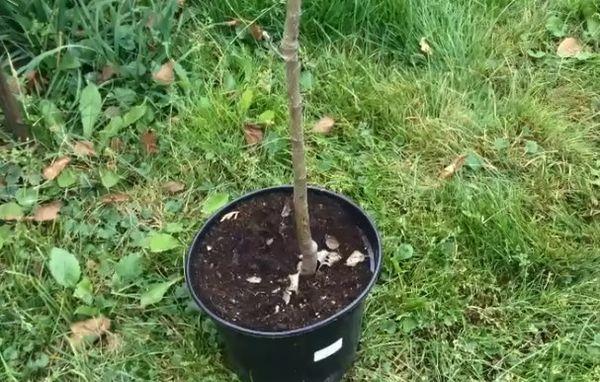
- Preparing seedlings
- Technological process of landing
- What can be planted nearby?
- Further care
- Watering and fertilizing
- Trimming
- Caring for the tree trunk circle
- Preventive treatments
- Winter protection
- Peculiarities of growing a tree on a dwarf rootstock
- Methods of propagation of the Stroevskoye variety
- Gardeners' reviews
Stroevskoye is a high-yielding winter apple variety bred in Orlov, completely immune to scab. Its key advantages include regular and abundant fruiting, winter hardiness, dessert flavor, transportability, and exceptional shelf life. Fruit harvested in September can be stored until the end of May without losing any of its excellent flavor.
Selection of the Stroevskoye apple tree
The variety was developed at the Oryol Institute of Fruit Crop Breeding. It was in variety testing from 1998 to 2001 and was included in the State Register in 2001.
Cultivation regions
Recommended cultivation regions: Central and Central Black Earth.
In the Moscow region and central Russia
In the moderate continental climate typical of the central zone and, in particular, the Moscow region, Stroevskoye shows the best yield and is less damaged by frost, pests, and diseases.
In Siberia
Large-fruited winter apple varieties are very difficult to grow in Siberian conditions. Good results can be achieved by using creeping crown formation, growing the variety on dwarf rootstocks, winter-hardy scaffold-forming rootstocks, or grafting the variety onto naturally creeping varieties.
In the Urals
The variety's frost resistance is insufficient for cultivation in the Urals. A solution may include bending the crown (creeping formation), grafting it onto natural creeping trees or local winter-hardy varieties, or growing it on dwarf rootstocks.
Main advantages and disadvantages
Among the advantages of the variety:
- high yield;
- dessert taste and shelf life of fruits;
- durability;
- unpretentiousness;
- responsive to feeding and watering;
- resistance to fungal diseases and pests;
- immunity to scab.
During variety testing and subsequent cultivation, the following shortcomings of the variety were identified: late reproductive readiness (7–8 years after planting), uneven ripening and fruit shedding.
Characteristics and description of the variety
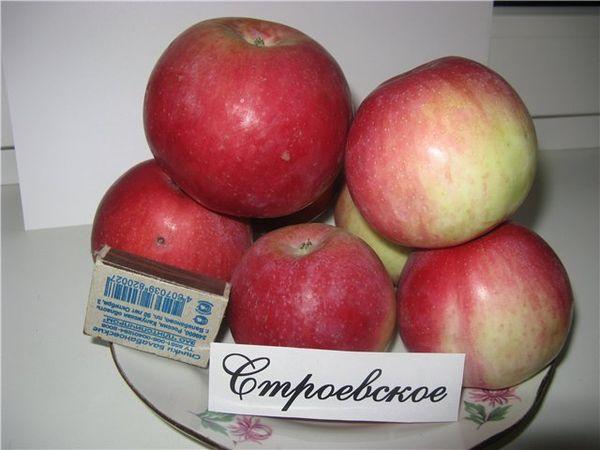
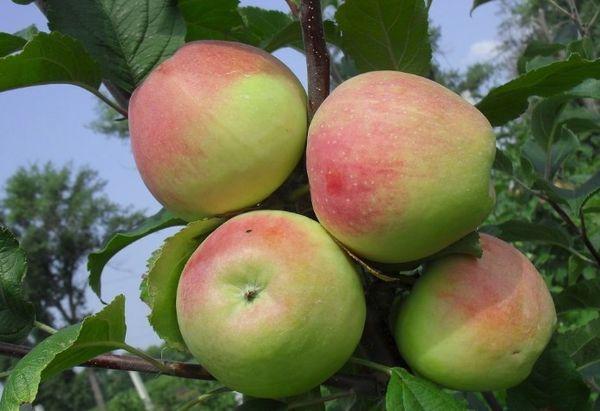
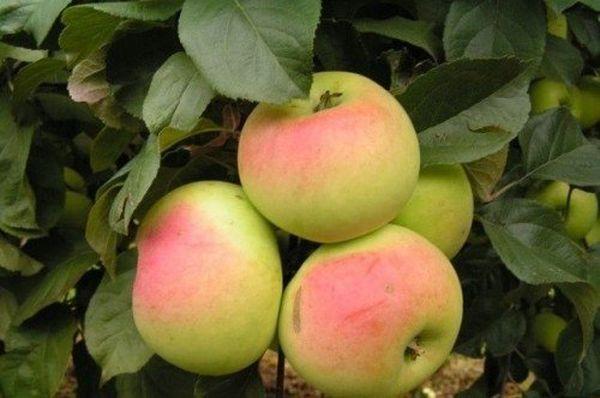
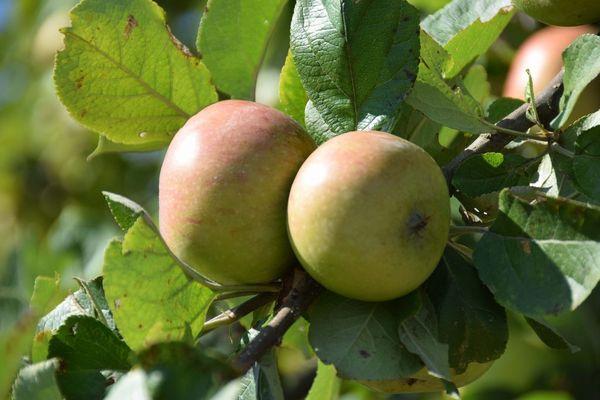
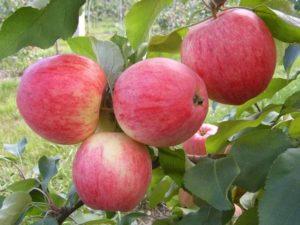
Stroevskoye is a winter variety bred domestically. The trees are winter-hardy, robust, and of medium vigor. The fruits are large, light green, turning yellow when stored, with red stripes merging, and are sweet and sour, juicy.
Distinctive features of the variety: late flowering, high yield, resistance to scab.
Tree size and annual growth
Trees of medium height, reaching 3–4 m on clonal rootstocks and up to 5 m on seed rootstocks. The apple tree forms a strong, pyramidal crown. The shoots are strong, medium-thick, and the leaves are large, elongated, and pointed. Annual growth is abundant.

Lifespan
The tree is long-lived, with a potential fruiting period of 70 years.
All about fruiting
The variety is late in its reproductive maturity, with the first fruits appearing 6-7 years after planting, and a commercial harvest in the 8-9 year. Fruiting is regular and abundant. The fruiting pattern is mixed (on rings and fruiting twigs). The peduncles are short, and the fruits fall from the tree when ripe. The apples are medium in size.
Flowering and pollinators
Flowering times vary (from early to late May) depending on the growing region. The inflorescences are lush, each containing 5–6 white-pink buds.
This variety is not self-fertile, so it's essential to have apple trees with similar flowering times in the garden. Good choices include: Imrus, Pamyat Voinu, and Veteran.
Ripening time and yield
The harvest begins in late September, with full consumer maturity occurring a month after harvest. The fruit is medium-sized (up to 180 g), yielding 130–140 kg per tree.
Tasting qualities of apples
Tasting score: 4.4 points. The apple flesh is white with a slight greenish tint, grainy, juicy, and has a sweet and sour taste with a distinctive, pleasant aftertaste.
Fruit collection and use
After harvesting, the fruits are brought to consumer maturity within 30–40 days. The shelf life of this variety of apples is excellent; even in long-term storage (6 to 8 months), the fruits retain their marketable appearance and flavor. One of the best commercial winter varieties, they are especially delicious fresh.
Sustainability
The variety is unpretentious, resistant to diseases and pests, frost-resistant, and winter-hardy.
To diseases and pests
The variety is genetically resistant to scab and is rarely affected by diseases and pests.
Unfavorable climatic conditions
Above-average winter hardiness and high frost resistance. It's worth noting that the variety is protected from recurrent frosts because it blooms late. Insufficient watering may cause the fruit to become smaller.
Specifics of planting fruit crops
To grow a good fruit-bearing tree, you need to choose a high-quality seedling, follow the planting technology, and properly care for the plant.
Deadlines
It is best to plant young apple trees in the spring (before the sap begins to flow), but autumn planting is also acceptable.
In the central part of the country, this is late September to early October, and 7 to 10 days earlier in northern regions. It's important that newly planted trees have time to develop new roots before persistent cold weather sets in.
Site selection and preparation
Leached chernozems, floodplain loamy and sandy loam soils, and illuminated, elevated areas are favorable for growing apple trees of this variety.
Proximity to groundwater significantly inhibits tree growth and development. The acceptable depth of groundwater is 2-2.5 meters from the soil surface.
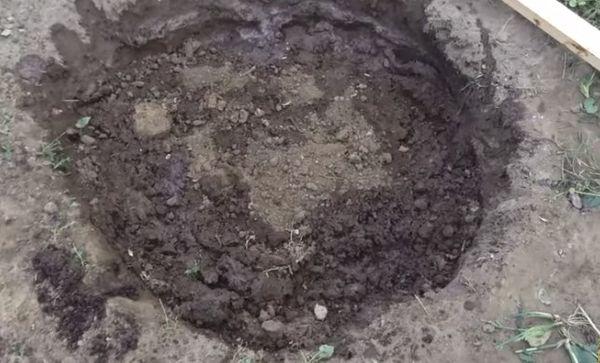
Before planting seedlings, the selected area is cleared of weeds, plant debris, and dug up.
How to create drainage for an apple tree before planting
If the groundwater table is close to the soil surface, the planting site is in a lowland, or the soil is clayey, drainage should be provided before planting the apple tree. To do this, add 10–15 cm of crushed stone, river pebbles, sand and gravel mix, or broken brick to the bottom of the planting hole.
Preparing seedlings
Before planting, seedlings are prepared as follows:
- If immediate planting is not possible, the seedlings are dug in;
- Damaged roots are cut off to a healthy place;
- Place the roots in water, or even better, in a soil slurry with added growth agent for 2–3 hours.
Technological process of landing
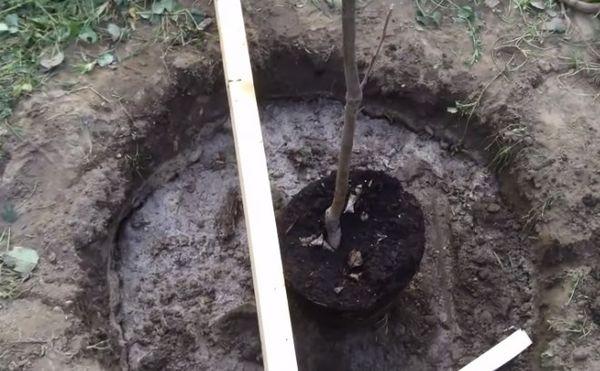
Two to three weeks before planting, prepare a 60 x 100 cm hole. Add fertilizer mixed with soil. Create a mound at the bottom of the hole, spread the roots out, and cover with soil or a 1:3 mixture of compost and soil. Shake the tree periodically. Once the roots are covered, compact the soil evenly. Form a hole for watering. Water the seedling at a rate of two buckets per tree.
What can be planted nearby?
The apple tree dislikes berry bushes, junipers, and rowan trees. It gets along well with other crops.
Further care
Caring for young trees involves loosening the soil, keeping the tree trunk area clean, regular watering and fertilizing, preventative treatments against diseases and pests, and preparing for winter.
Watering and fertilizing
In the first year, apple trees of this variety are watered frequently, 4-5 times per season, at a rate of 2-3 buckets per tree. In subsequent years, water three times per season and once before winter.
Young apple trees are not fertilized in the first year after planting. Subsequently, fertilize as follows: For the first two years, apply organic fertilizer at a rate of 3–5 kg per 1 m.2 tree trunk circle, in the 3rd year - complete mineral fertilizer.
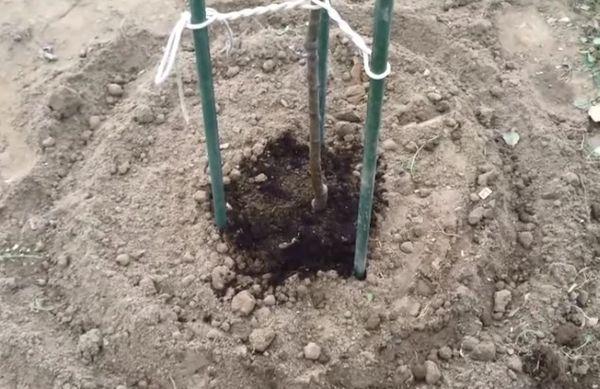
Fertilizers are applied to fruit-bearing trees once every 2–3 years, during tillage in the fall or spring. 5–8 buckets of organic matter per tree are needed, and 5–7 g of mineral fertilizers (phosphorus, potassium, and nitrogen) per m3.2.
Trimming
In the first years of growth, formative pruning is applied to the tree; its purpose is to establish a framework and create a strong, compact, and easy-to-maintain crown on its basis.
When the crown reaches the specified parameters, regulatory pruning is applied, its task is to prevent the tree’s growth and fruiting from fading.
If annual growth begins to weaken each year and the tree's yield decreases, rejuvenating pruning begins.
Sanitary pruning—removing diseased, broken, and excess branches—is necessary at any stage of a tree's life.
Caring for the tree trunk circle
It is better to keep the soil around the tree trunks loose and free of weeds under mulch.
Annual green manure crops are often sown under fruit-bearing trees in the second half of summer.
Preventive treatments
Before bud break, spray with systemic insecticides against overwintering pests.
At the beginning of bud break, treat apple trees against pests with the preparations "Rovikurt", "Permethrin", "Kilzar", colloidal sulfur, copper oxychloride.
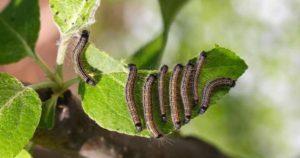

After flowering, spray against pests with Rovikurt, Permethrin, Kilzar, and benzophosphate. On Stroevskoye apple trees (and other winter varieties), repeat the treatment twice more, 12 days apart (against codling moths).
Winter protection
In the Moscow region and central regions, they carry out pre-winter watering, whitewash the trunks of fruit-bearing trees, hill up seedlings, and in northern regions, they additionally cover the trees for the winter and wrap the trunks.
Peculiarities of growing a tree on a dwarf rootstock
Trees on dwarf rootstocks shorten the time it takes for crops to begin bearing fruit, making it possible to grow apple trees in areas with high groundwater levels.
These trees thrive and bear fruit in sunny areas, protected from strong winds, in non-waterlogged soils, and require constant support. They are best planted in rows running north to south, 2–3 meters apart. The holes for these trees are smaller: 50 x 80 cm, and they are planted only in the spring. For trees with a dwarf rootstock insert, the insert must be protected from severe frosts.
Frost-resistant dwarf rootstocks or inserts of a dwarf rootstock between a vigorous standard rootstock and a varietal scion make it possible to cultivate Stroevskoye apple trees in Siberia and the Urals.
Methods of propagation of the Stroevskoye variety
Apple trees of this variety are propagated using artificial vegetative propagation: layering, grafting, and budding.
Gardeners' reviews
Alexey, Shkunovka: "It's difficult to grow good winter apple trees in our climate. In my orchard, Stroevskoe is grafted onto the local Dobrynya variety. Last year, we got our first, though still small, harvest of delicious winter apples. I hope there will be more apples this year."
Igor, Klin: "A commercially viable winter variety. The apples have a stunning presentation and store well for a long time. To speed up fruiting, I only planted the trees on dwarf rootstock. The downside is that the apples ripen unevenly and fall off the tree."
Anastasia, Belye Stolby: "We planted this apple tree in 2003 after a trip to the Oryol nursery. Back then, it was a new variety, unknown to everyone. We got our first harvest—a few apples—six years later. Now our Stroevskoye is bearing fruit very well, harvesting 100 kg per tree. The apples store well; we have enough until mid-March."
Related posts:
 Description of the Chudnoe apple variety, planting and caring for a dwarf tree
 Signs and treatment of apple tree cancer, varieties resistant to the disease
 Description and subtleties of growing the Sverdlovsk Beauty apple tree variety
 Description of the Red Early apple tree variety, agricultural technology and specific care
 Description and characteristics of the Spartan apple variety, cultivation tips
 Description and characteristics of the Orlovim apple variety, cultivation nuances
 Description of the ornamental Nedzvetsky apple tree, cultivation technology
 Description and varieties of the Sinap apple tree, planting and care rules