
- Criteria for selecting pears for the Urals
- Peculiarities of planting and growing pear trees
- Popular and best varieties for the Urals
- Gvidon
- Dekabrinka
- Sky-high
- Beauty
- The Magnitogorsk fugitive
- Penguin
- Rainbow
- Sunremy
- Sentyabrina
- Tikhonovna
- Uralochka
- Favorite
- Chelyabinsk winter
- The most frost-resistant varieties
- Taken care of
- Zarechnaya
- Sverdlovsk resident
- Sentyabrina
Thanks to the work of breeders, many heat-loving plant species are now successfully grown in harsh climates. Pear trees have also been developed for the Urals and Siberia, and the best varieties have adapted well to these weather conditions and produce fruit harvests. However, before choosing a seedling for your garden, it's recommended to carefully familiarize yourself with its characteristics and the specific cultivation practices. Not every tree can withstand the winter cold and produce a harvest of fruit during the short summer.
Criteria for selecting pears for the Urals
When gardeners are faced with the question of which varieties to choose for their own garden in Siberia, they need to define the key criteria by which to select the best ones. It's important to note right away that pears should be early or mid-season ripening. Otherwise, the harvest won't have time to ripen before the frost sets in.
Varieties suitable for cultivation in the challenging Ural climate must not only have increased frost resistance and disease immunity, but also late flowering times. It is desirable that the harvest be harvested as early as possible, before the onset of autumn cold weather.
Some gardeners believe that it's best to purchase mature trees for planting. However, experts say the optimal stem thickness for a seedling should not exceed 10 mm. For a pear tree to thrive in the Urals, its developed root length should be between 25 and 35 cm. Dark spots on the branches of a purchased plant indicate disease, so it should not be planted.
Peculiarities of planting and growing pear trees
The Urals region is dominated by podzolic and waterlogged soils, which significantly complicates the process of growing pears for gardeners. The region is also characterized by extreme temperature fluctuations, which can cause the death of seedlings.
Even at the beginning of summer, frosts are possible here, so flowering of garden trees should begin as late as possible.
Due to these circumstances, even the most resilient and resistant pear varieties require insulation and mandatory fertilizing. The soil in the area is carefully prepared before planting the seedlings.
It is essential to create a drainage layer, on top of which they pour organic and mineral fertilizers.
Before planting pear trees in the garden, you need to find a location protected from drafts and wind and ensure they have insulation. Also, cover them with a layer of snow for the winter to protect them from severe cold.
Popular and best varieties for the Urals
The Ural climate is suitable only for the most resilient and hardy pear varieties. Some of these have already become popular with local gardeners.
Gvidon
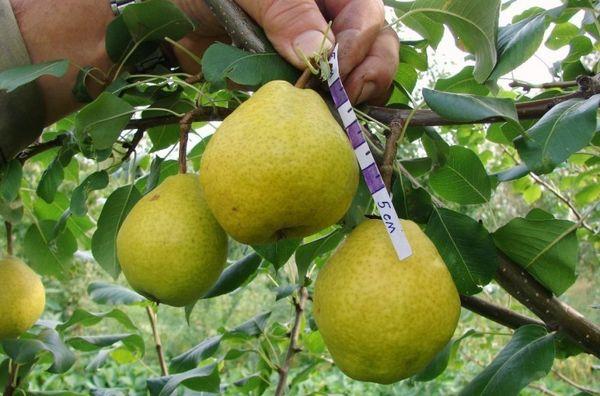
The tree grows rapidly and has a wide, pyramidal crown. The shoots grow close together, resulting in a compact plant. The fruits are uniform in size, weighing up to 130 g. They are yellowish in color and have firm skin. The flesh is juicy and tasty. The harvest is suitable for transportation and short-term storage.
Dekabrinka
The tree reaches a maximum height of 5 m. The pear is distinguished by its high frost resistance. The fruits are small, weighing approximately 90 g. The skin is yellow and smooth. The fruit has a balanced sweet and sour flavor, the flesh is juicy, and has a strong, classic aroma.
Sky-high
The tree can withstand Siberian frosts in open ground with standard cover. The fruits are small, weighing approximately 90 g. The flesh is juicy, with a strong, classic aroma. Ripening occurs in early September, which is considered late for this region.
Beauty
A mature tree grows to a height of no more than 4 meters. This variety is considered one of the earliest, as the harvest can begin as early as early August. The average pear weight is approximately 100 grams. Each tree produces up to 25 kg of high-quality fruit per season.
The Magnitogorsk fugitive
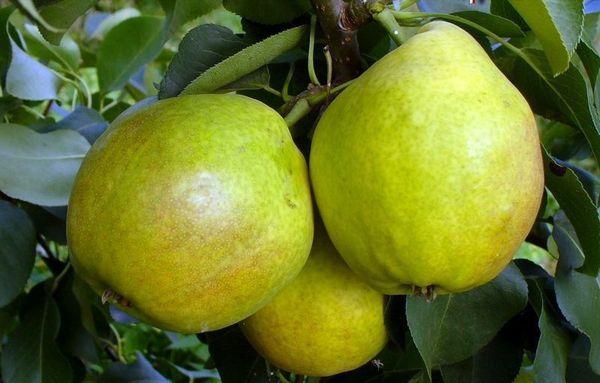
This variety will appeal to connoisseurs of classic pears. The tree overwinters well even in the harsh Ural climate and is highly resistant to diseases and pests. Fruiting begins five years after planting. Ripe pears are green with a slight yellow tint, making them versatile.
Penguin
A productive variety that begins bearing fruit three years after planting. The tree grows quickly and gains strength, developing a broad, pyramidal crown. The pears are medium-sized, weighing approximately 120 g. When ripe, they turn a bright yellow. The flesh is uniform and juicy. Each tree produces up to 22 kg of ripe fruit per season.
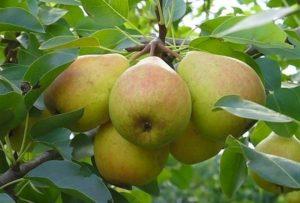
Rainbow
This variety is a summer pear. The tree is medium-height with a moderately spreading crown. It requires planting close to pollinator varieties. The fruits are large and ripen to a yellow-green color with a beautiful red blush. The flavor is considered a dessert. The flesh is juicy and aromatic.
Sunremy
This pear is loved by Ural gardeners for its increased frost resistance and the excellent taste of its large fruits. By the time of ripening, the fruits reach a weight of 300 g. The harvest has universal application.
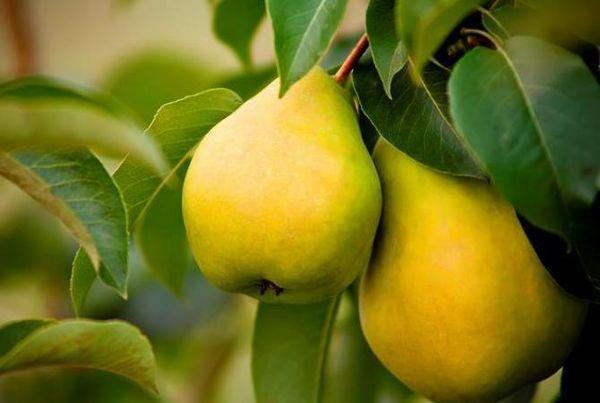
Sentyabrina
This tall tree is characterized by high yields and a wide, spreading crown. A distinctive feature of this pear is its virtually disease-resistant nature. The fruits weigh up to 250 g and turn golden-green when ripe.
Tikhonovna
The pear owes its name to breeder A.S. Tikhonova. The tree is distinguished by its high frost resistance and productivity. The fruits are small, weighing up to 75 g. By the time they ripen, they turn yellow.
Uralochka
A late-ripening variety that can withstand even severe winter frosts. Its distinguishing features include early maturity and high yield. The harvest tolerates transportation well and is suitable for long-term storage. Small fruits with balanced taste.
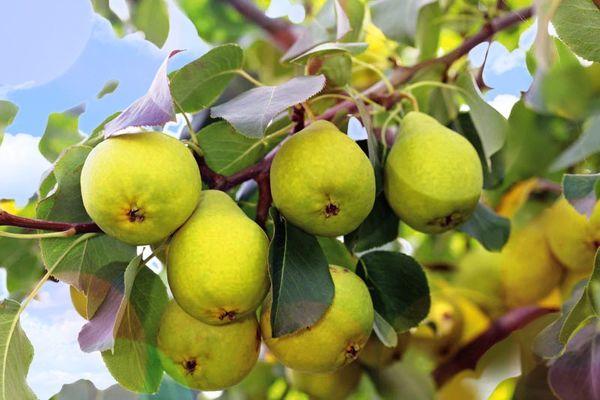
Favorite
The pear tree has a loose crown and is tall. It distinguishes itself from its competitors by its robust, frost-resistant root system. The fruit is medium-sized, weighing up to 120 g. By the time it ripens, it acquires a beautiful blush. Each tree produces up to 35 kg of high-quality fruit.
Chelyabinsk winter
This medium-sized tree is highly resistant to low winter temperatures. Gardeners also value this variety for its virtually disease-free nature. Fruiting begins three years after planting. The fruits are medium-sized, weighing up to 120 g. They turn yellow when ripe. The flesh is juicy and slightly sweet. The flavor is pleasant and balanced.
The most frost-resistant varieties
In addition to the usual standard trees, residents of the Urals also grow standard trees on their plots winter-hardy pear varietiesScience never stands still, and breeders are constantly working to develop new varieties that will not only yield a bountiful harvest of delicious fruit but also beautify the garden.
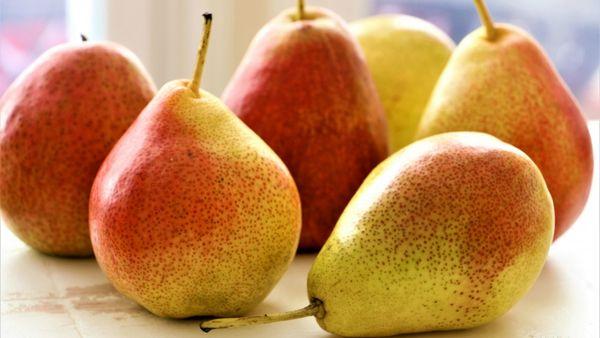
Taken care of
An autumn-type pear, the harvest occurs in late September. The fruit has a dessert-like flavor and retains its flavor for 75-130 days. The tree is medium-sized and characterized by high frost resistance. Despite the fact that flowering occurs early, the flower stalks show resistance to spring frosts. Moreover, this variety is resistant to diseases, and the harvest is not damaged by pests.
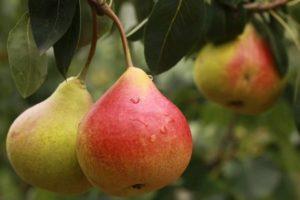
Zarechnaya
Among late-ripening varieties, Zarechnaya occupies a special place. This pear is distinguished by its frost resistance, high yield, and excellent fruit flavor. It is virtually disease-resistant. The seedling quickly gains strength and begins bearing fruit in the second year after planting. When ripe, the fruits acquire a golden color. The flesh is not only sweet but also intensely aromatic.
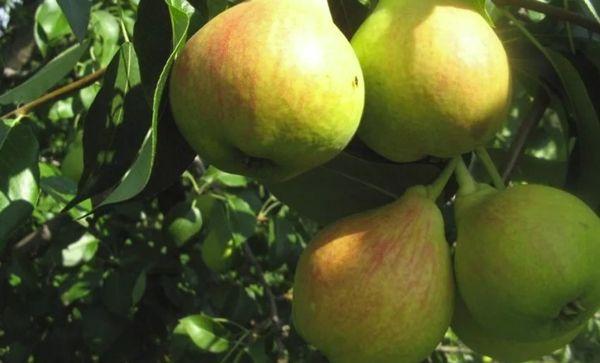
Sverdlovsk resident
This particular variety has become widespread in the Urals. Its fruits are distinguished not only by their excellent taste but also by their long-term storage qualities. Another advantage is the trees' increased cold resistance, which makes them well-suited to the harsh Ural climate. Fruits weigh up to 180 g. The skin is initially green, but turns yellow as they ripen.
Sentyabrina
This pear variety is ideal for growing in northern regions. The tree is tall and has a spreading crown. Its disease resistance is good, so the plant is disease-free and requires little preventative treatment. Fruits weigh up to 250 g. When ripe, they turn green with a golden hue. The harvest is used for fresh consumption, homemade preserves, and culinary and confectionary creations.
Related posts:
 Descriptions of the 20 best cherry varieties for the Moscow region, their planting and care
 Description and cultivation of the 15 best cherry plum varieties for the Moscow region, planting and care rules
 Description and characteristics of the 27 best plum varieties for the Urals, planting and care
 Description of the 23 best pear varieties for the middle zone, planting and care rules
 Description and characteristics of the 45 best pear varieties, how to choose
 The best grape varieties for growing in the Urals, planting and care rules in summer
 50 Best Pumpkin Varieties with Descriptions and Characteristics for Outdoor Planting
 Description and characteristics of the 45 best types of peaches, growing rules