
Slava cabbage is a mid-season white cabbage variety. It is prized by vegetable growers for its excellent flavor, which is most fully realized when fermented.
Characteristics of the variety
The Slava cabbage variety's description should begin with the fact that it easily tolerates low moisture, making it suitable for growing in arid regions. Furthermore, the vegetable is cold-hardy and retains its flavor until January, is resistant to cracking, and produces a high yield. The only drawback of the variety is its susceptibility to disease. cabbage clubroot.
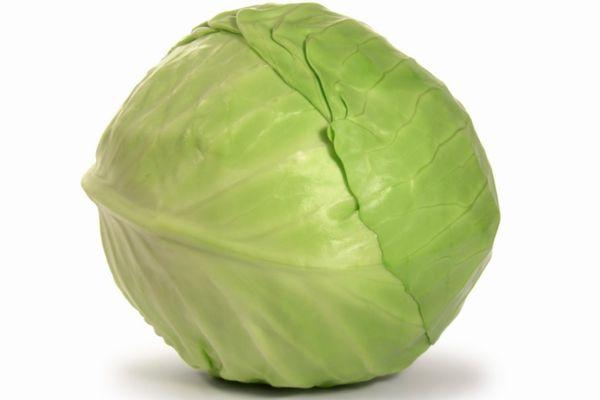
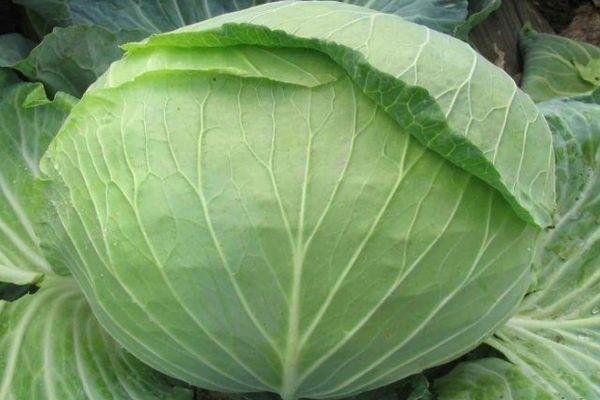
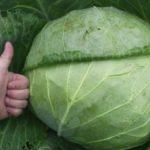
The Slava 1305 cabbage has a round head, reaching up to 25 cm in diameter. Its weight ranges from 2 to 4.5 kg. The outer leaves are light green, and the flesh itself is light.
Growing seedlings and planting
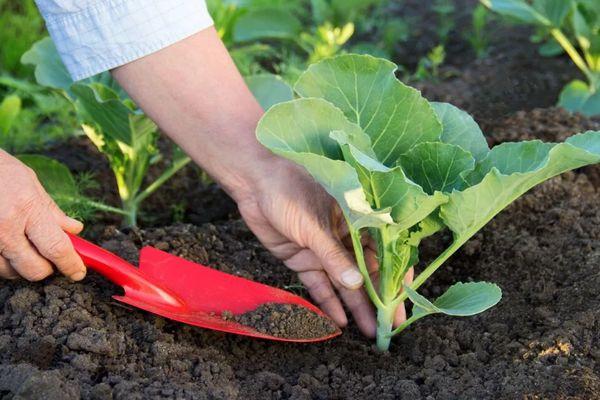
Planting and caring for cabbage in open ground Slavoy is practically no different from similar procedures for other varieties. The vegetable is often planted using seedlings. There are two options for preparing seedlings: purchasing ready-to-plant seeds or preparing them yourself.
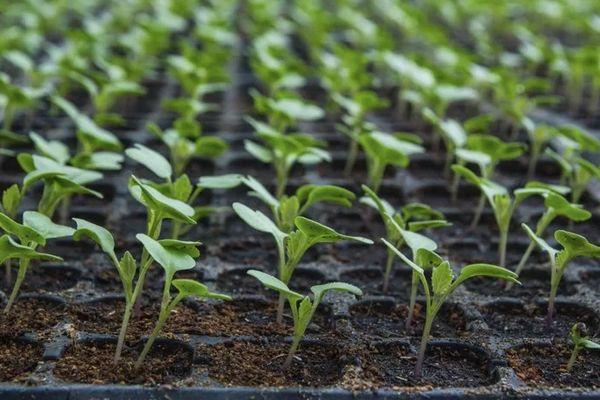
Preparing seedlings:
- Soak the seeds in a nutrient solution and leave them for 12 hours.
- After some time, rinse the seeds with water and place them on the balcony for a day.
- After 24 hours, the seeds can be planted in a greenhouse or in a garden bed, but always under cover. Seeds are planted in April, when the air temperature has already reached 12 to 18°C.
- The distance between the beds should be at least 7 cm, the depth should be 1.5 cm. Plant the seeds in the depressions and water with cool water.
- As soon as the first leaf appears, the seedlings should be thinned out.
- The soil should be moistened as it dries out.
- After two leaves emerge, seedlings should be fed with potassium and superphosphate. To do this, mix 2 g of ammonium nitrate, 4 g of superphosphate, and 2 g of potassium fertilizer in 1 liter of water. The resulting solution is sufficient for 50 seedlings. It is recommended to repeat the process after a week.
- The seedlings can be planted outdoors after 5-6 leaves appear. The bush should reach a height of 16 cm.
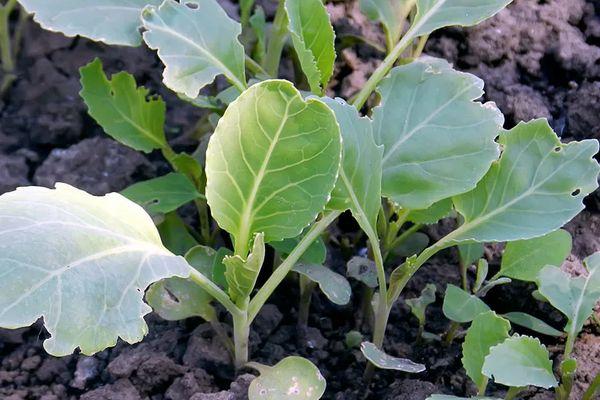
It is recommended to prepare the soil for planting cabbage seedlings. Water the soil generously two hours before planting. Choose sunny areas of the garden for cabbage. The planting pattern is 60x60 cm.
Care
Slava cabbage requires abundant but infrequent watering. On average, 6-8 waterings are sufficient throughout the growing season. Soil watering should be stopped two weeks before harvest. After each watering, it is recommended to hill up the cabbage. This loosens the soil, removes weeds and slugs, and allows new roots to form.
For high yields, cabbage should be fertilized. Fertilization is carried out according to the following schedule:
- The first application is made two weeks after planting. To prepare the fertilizer, dissolve a cup of mullein in 10 liters of water. Let the fertilizer sit for a week. Then, water the bushes at a rate of 10 liters per 5 bushes.
- The second stage of fertilizing begins after the heads have formed. Add 50 g of wood ash to the mullein solution (see point 1). Let it sit for another week. Five cabbage plants require 10 liters of fertilizer.
- After 3 weeks, the cabbage should be fed again with mullein and ash.
In northern regions, frosts may still occur in late spring. To prevent frost damage, it is recommended to cover seedlings with plastic wrap overnight. It is also recommended to water the soil generously before frost to help retain heat.
Diseases
Slava cabbage is susceptible to a number of diseases and pests. Fortunately, with proper care, these threats are minimized.
- Clubroot is a fungal disease caused by cabbage. It manifests as growths on the roots, causing the cabbage to stunt and wilt. Clubroot can be prevented by regular weeding and rotating the planting site each year. If cabbage does become infected, the affected plants should be destroyed immediately, and the soil treated with formalin.
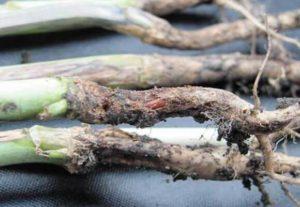
- Blackleg. This disease manifests itself as a blackening of the root zone, which leads to wilting of the cabbage. To prevent the disease, it is recommended to plant seedlings at a distance from each other and avoid overwatering. At the first sign of blackleg, the vegetable should be treated with insecticides.
- Downy mildew. The first signs of the disease are yellow spots on the upper leaves and a white coating on the underside. To prevent infection, soak the seeds in warm water for 30 minutes before planting.
- Cabbage aphids. These pests feed on the leaves, causing them to curl. As a preventative measure, you can plant dill and parsley around the cabbage. If aphids do appear, the Slava cabbage should be treated with special chemicals.
- Cabbage moth. Another pest that eats leaves. Special covering materials can protect against it.
Take a look Also
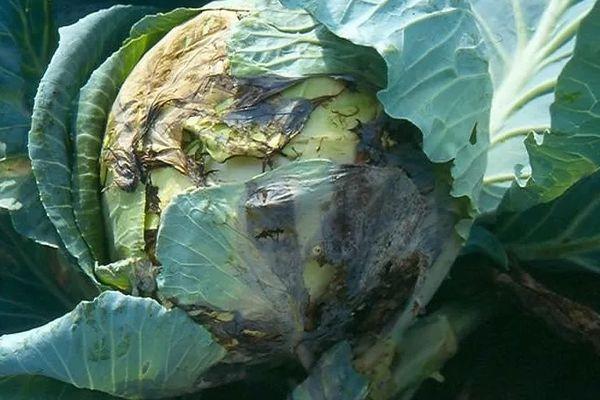
Overall, growing cabbage pest-free is quite feasible. It's enough to maintain proper watering, regularly weed, and remove weeds. In extreme cases, treat the vegetable with chemicals.
Reviews of cabbage
Those who have planted Slava cabbage leave positive reviews. They note excellent yields, a crisp flavor, and good seed germination. It is primarily recommended for pickling, as its shelf life is short.
Negative reviews are almost nonexistent. Among the drawbacks, frequent attacks by cabbage clubroot and pests are noted. However, with preventative measures, infestations can be prevented. And getting rid of pests is not difficult.
Related posts:
 Description of the best cabbage varieties for 2025 for different regions
 Why does cabbage grow tall in the garden and what can be done about it?
 Planting, growing, and caring for cauliflower in open ground and greenhouses
 Why do cabbage leaves turn purple and what can be done to treat them?
 Growing and caring for Chinese cabbage in open ground and greenhouses
 Why cabbage leaves wilt in the garden and what to do
 Description of cauliflower diseases and pests, methods of treatment and control
 Top 40 Best Cabbage Varieties with Descriptions and Characteristics
I have been planting this cabbage for several years now, it rarely gets sick and is quite unpretentious, I have always had a good harvest, but I noticed that when I started using it BioGrow for feeding, the result became much better.
I've been planting this type of cabbage for several years now; it rarely gets sick and is quite unpretentious. I've always had a good harvest, but I noticed that when I started using BioGrow for fertilizing, the results became much better.