
- Creation of a variety
- Tuleevsky Potato: Description and Characteristics
- Potato harvest
- External characteristics
- Description of taste qualities
- Resistance to pests and diseases
- Advantages and disadvantages of culture
- Specifics of growing potatoes
- Preparing tubers
- Landing
- Recommendations for caring for the variety
- Hilling
- Watering regime
- Fertilization
- Diseases and pests
- Golden nematode
- Mosaic virus
- Rhizoctonia
- Cleaning and storage
- Reviews from experienced gardeners
Commercial plantings of the Tuleevsky potato can be found in many regions of the country. This variety is popular with gardeners and small farmers. It produces good yields in any weather. This variety is attractive because it can grow in drylands. Yields are high even without irrigation.
Creation of a variety
This variety was developed through extensive research by Siberian breeders. The new potato was developed through intraspecific hybridization at the Kemerovo Research Institute of Agriculture. The Tolokan and Chernsky potato varieties were used.
Following trials in 2006, the Tuleevsky potato was added to the State Register. It was developed for cultivation in the West Siberian region. Over the 12 years of its existence, it has been appreciated by vegetable growers from various regions and republics of the Russian Federation. This potato variety can be found in the Far East and the Kirov region.
Tuleevsky Potato: Description and Characteristics
A mid-early table potato variety. Tuleyevsky's harvest begins in 80-100 days.
Potato harvest
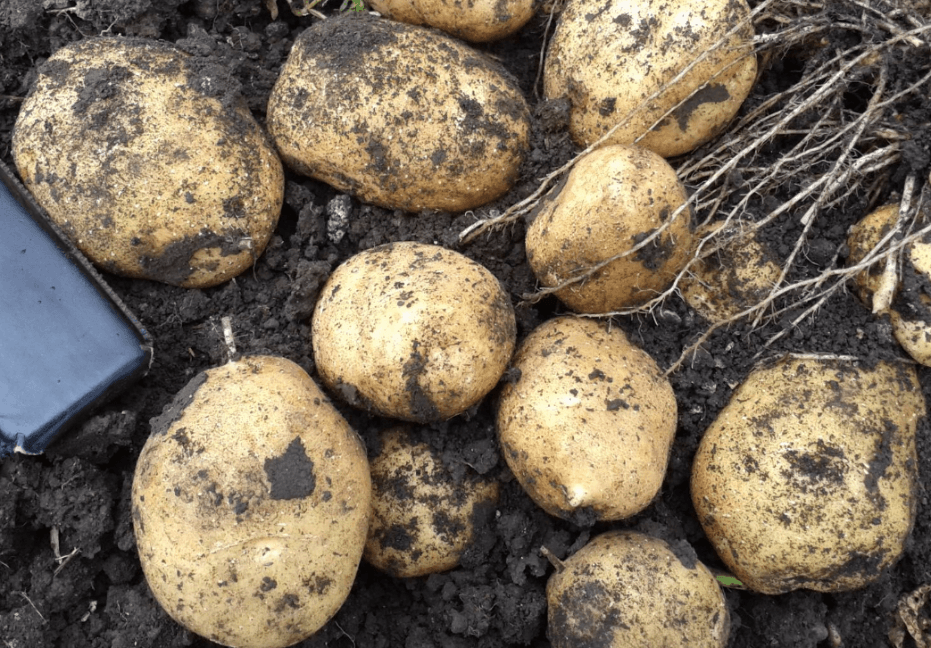
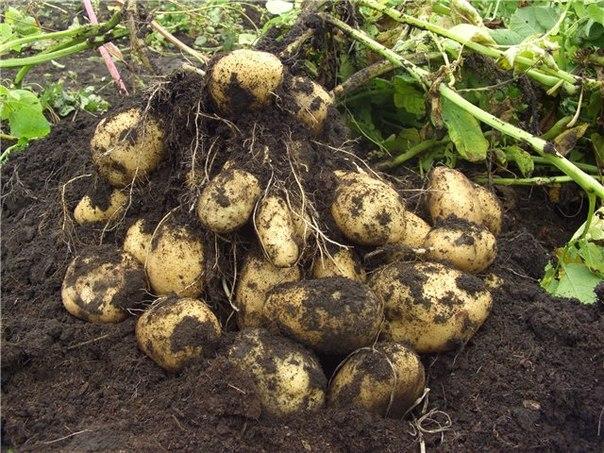
In favorable years, up to 5 kg of tubers (10-14 pieces) weighing 200-300 g are harvested from one bush. Individual specimens weigh 500-600 g. There are no small potatoes. The average yield of Tuleevsky potatoes is 180-300 c/ha.
External characteristics
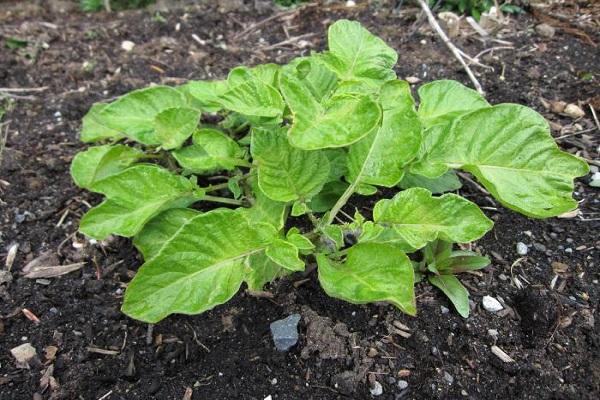
The bush is compact, 35-40 cm tall. The intermediate shoots are upright, with up to six per plant. The leaves are medium-sized, dark green, and have a corrugated edge. The flowers are lilac with a large white corolla and a yellow center. Few berries are produced.
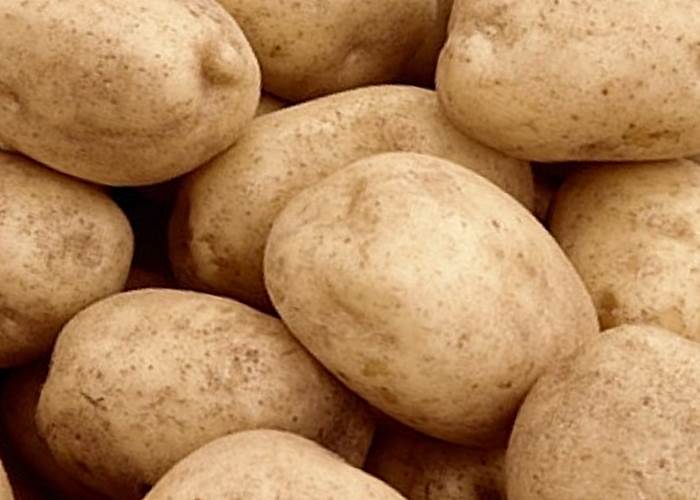
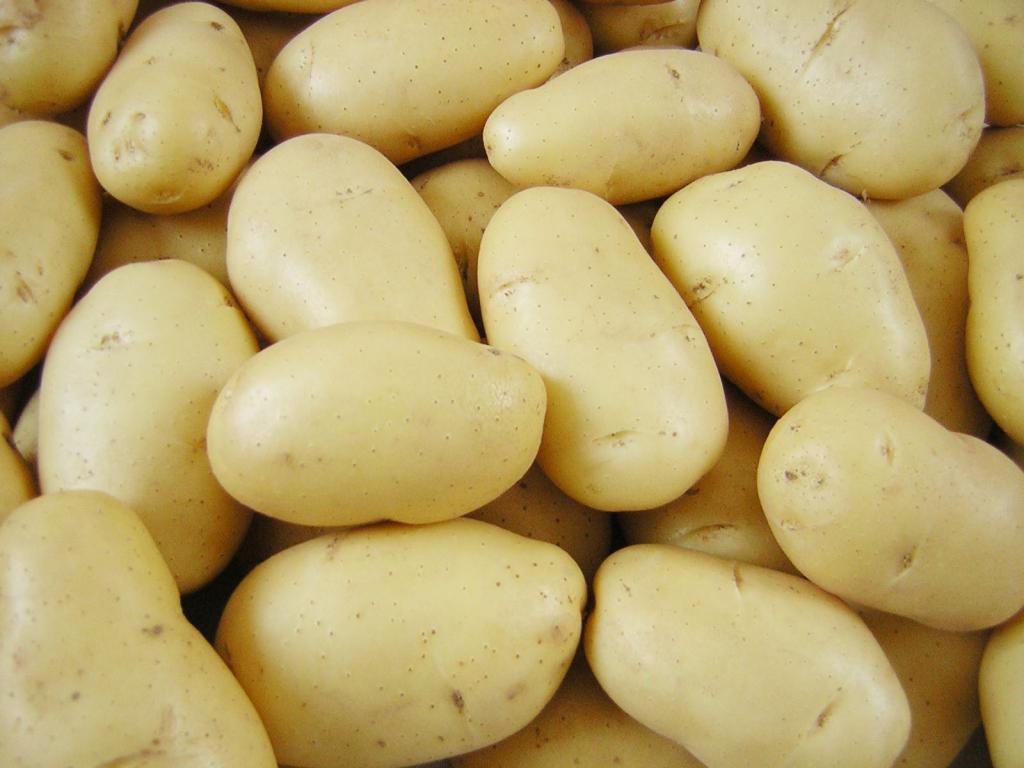
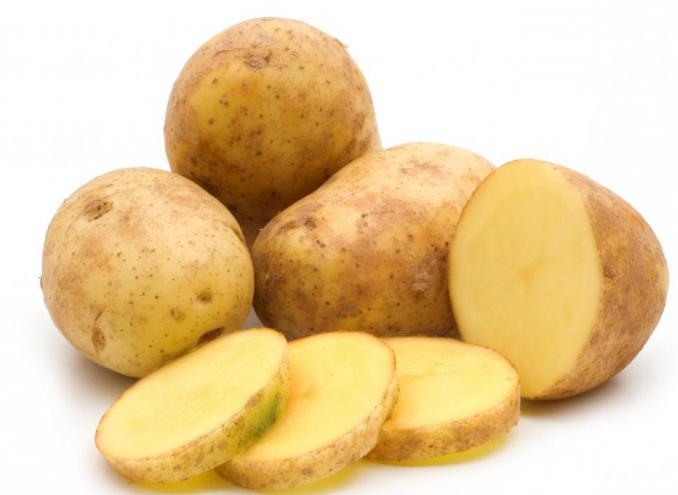
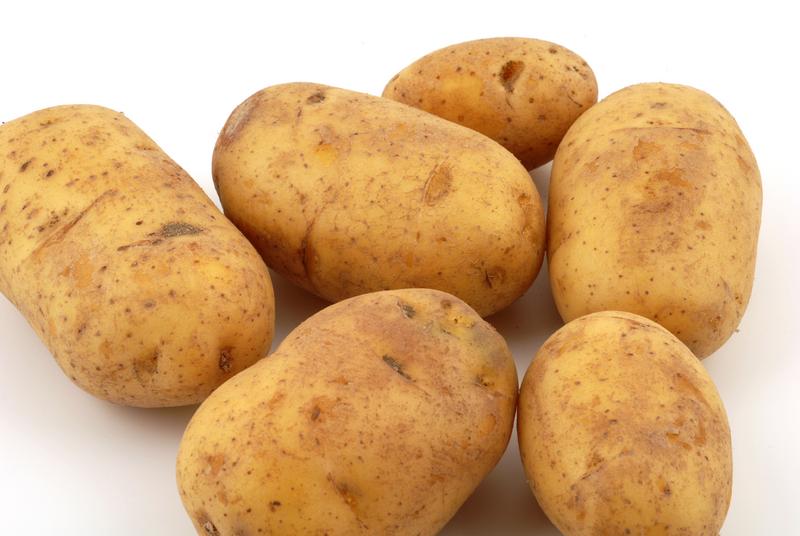
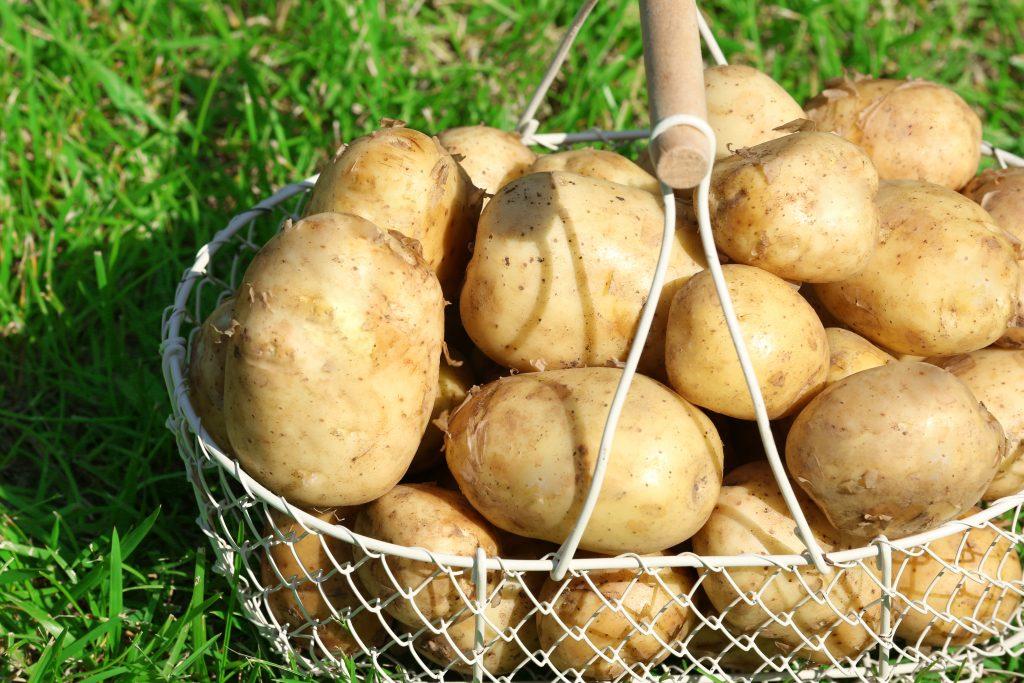
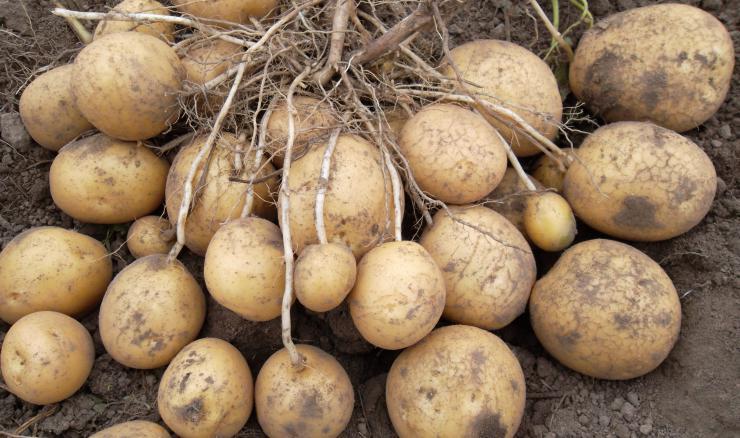
The tubers are regular in shape: elongated and oval. They are uniform in size. The skin is yellow and rough to the touch. There are few small, superficial eyes. The flesh is dense, and the color is creamy, yellowish. The tubers are compact and shallow in the nest.
Description of taste qualities
Tuleevsky potatoes store well, with a shelf life of 90%. The tubers are resistant to mechanical damage and retain their marketable qualities during long-distance transportation. The flesh has a good flavor, does not crumble much when cooked, and contains 14-16% starch.
In cooking, Tuleevsky potatoes are used for preparing:
- stew;
- casseroles;
- puree.
Experts rated the taste of Tuleyevsky's pulp at 3.6 points.
Resistance to pests and diseases
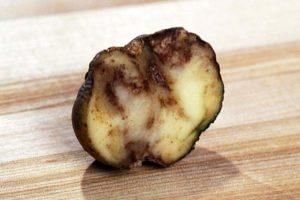
The variety is genetically resistant to most diseases. The Tuleevsky potato is not susceptible to the following diseases:
- scab;
- late blight;
- Alternaria;
- rot;
- Cancer.
The potato pest, the golden nematode, poses a threat to the crop.
Advantages and disadvantages of culture
Summer residents choose the Tuleevsky potato for its drought resistance. The variety can be grown in drylands. No nitrogen or phosphorus fertilizers are required for a productive harvest. The root quality and shelf life depend on the presence of boron in the soil. A deficiency causes voids in the pulp.
| Plus | Minus |
| Stable yield | There are few small root crops in the nests, which creates a problem when selecting seed material. |
| Shelf life | |
| Transportability | |
| Drought resistance | |
| General purpose |
Specifics of growing potatoes
Thirty days before planting, begin preparing seed potatoes for planting. The tubers are planted in soil warmed to 8°C. Soil temperature is measured at a depth of 10 cm. Fertilizers are applied to the crop:
- humus - 10 kg/m²;
- ash - 1 l/m².
In soils with high acidity, add a deoxidizer (chalk, dolomite flour, crushed eggshells) in a volume of 200-400 g/m².
Preparing tubers
Seed potatoes Remove from the cellar 30 days before planting. Warming the tubers is a must. After inspection and removal of damaged specimens, the planting material is laid out in a single layer. Germinate in a bright room at a temperature of 16-18°C.
Large seed potatoes are cut before planting. Several eyes are left on each division. Freshly cut potatoes are sprinkled with sifted ash. Properly prepared tubers have a greenish skin, and the sprouts are short and strong.
Landing
Potatoes are planted in furrows or holes. The seeding depth is 10-15 cm. The recommended planting pattern is:
- distance between rows 60 cm;
- the interval between holes is 60 cm.
To prevent nematodes, add a handful of onion peels and ash to each hole. When planting early, place a patch of dry grass under the tuber.
Recommendations for caring for the variety
The Tuleevsky potato produces good yields on non-irrigated soils. Irrigation improves the quality of the roots. Soil moisture affects the size and number of potatoes per plant.

Hilling
Tuleyevsky potato bushes are raked at least 3 times during the summer. The first hilling and weeding is done before flowering, the second time during flowering, and the third time before the tops close. The potatoes are watered the day before earthworks.
Watering regime
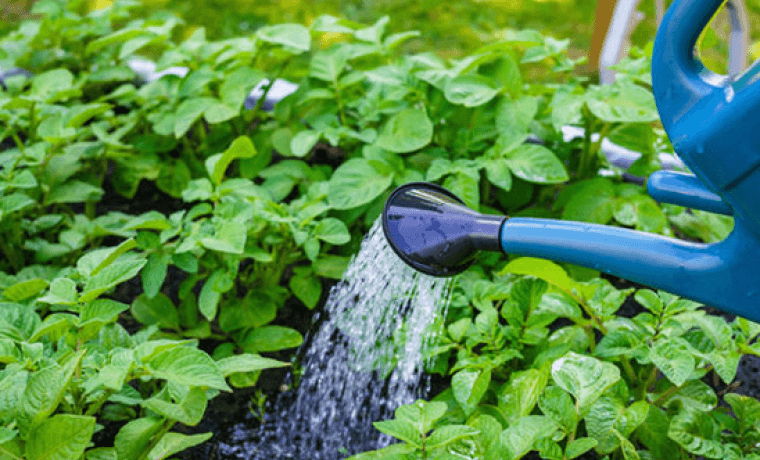
Tuleyevsky potato plantings don't require watering. Simply loosen the soil between the rows until they are completely closed.
Fertilization
During spring (fall) soil preparation, a standard set of mineral fertilizers (superphosphate, potassium nitrate, urea) or complex fertilizers for potatoes (Fertika, Joy, Organic Group) are applied. Natural farming advocates restore fertility using natural remedies:
- add humus during plowing;
- green manure crops are sown (rye, mustard, vetch, oats).
During the growing season, Tuleevsky potatoes are fertilized after the second hilling. The bushes are watered with a solution (1:10) of mullein, grass, or chicken manure (1:25).
Diseases and pests
To prevent rot, pests and stimulate growth, the tubers are treated with the following preparations on the day of planting:
- "Prestige";
- "Nemabact";
- "Epin";
- "Albite".
Healthy potato plants are grown by following crop rotation rules and improving the soil annually using simple methods:
- for propagation, take healthy specimens of tubers;
- humus, compost, ash, and fresh cow manure are added to the soil every year;
- Rye is sown before winter, and the seedlings are plowed in the spring before planting.
Golden nematode
These are very small worms (1 mm), white in spring and brown in autumn. They parasitize potato roots, eating away at the tubers.
A bush infested with nematodes develops slowly, blooms sparsely, and produces few fruits in the nest.
For prevention, the seed material is treated twice with preparations:
- "Taboo";
- "Prestige";
- Gumi;
- "Bulba".
Mosaic virus
The viral infection enters the garden through contaminated seedlings. It is also carried within the garden by soil-cultivating tools. It is impossible to cure a plant infected with the mosaic virus. Infected plants are removed and burned.
Rhizoctonia
The causes of rhizoctonia infestation on bushes and fruit are classic: low soil and air temperatures, excessive moisture, and the addition of fresh manure during planting. To treat diseased bushes, apply the following preparations:
- "Integral";
- "Baktofit";
- "Planriz".
Cleaning and storage
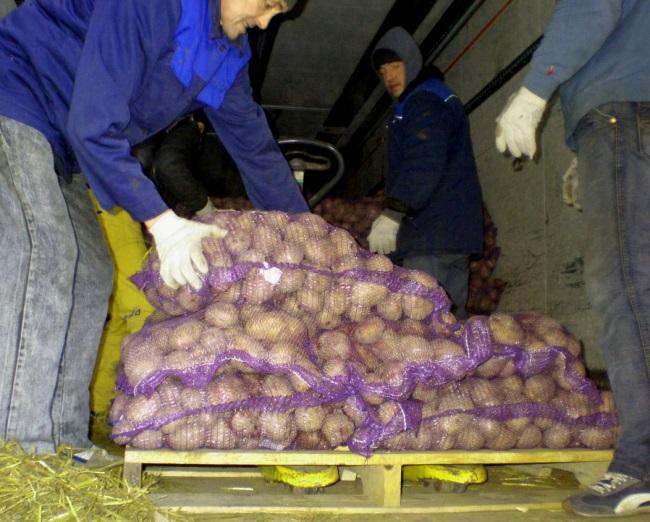
Potatoes are harvested after 90 days. The maturity of the fruit is determined by the appearance of the tops, which begin to dry out rapidly. Harvesting is easy. The plants are compact, and the tubers are densely packed and shallow.
During harvest, seed material is selected. Seeds for planting are taken from healthy bushes. The tubers are stored in boxes or piles at 2-3°C. Humidity is maintained at around 90%. The tubers retain their marketable quality longer if they are stored on a bed of dry straw.
Reviews from experienced gardeners
Vera Nikolaevna, 47, Biysk: "I've been growing Tuleyevsky for several years now. We add manure during the fall tillage and ash to the holes in the spring. The tubers grow large, averaging 300-500 g. I like this Siberian variety. It's more resistant to late blight and grows well in our sandy soil. The problem is with the seeds. There are few small fruits in the nests."
Tatyana Petrovna, 39, Tomsk: "We store the dug-up harvest in the cellar. The tubers keep well and don't sprout. The puree from Tuleyevsky is just as tasty as the mashed potatoes from Adretta. We water the potatoes 3-4 times during the summer. In the garden, the only fertilizer we use is compost. We add 2-3 handfuls of it to the planting holes. To keep pests away, we add onion peels, dried citrus peels, and eggshells to each nest."
Ekaterina Semenovna, 43, Novosibirsk: "This season, I had a major misfortune with the seeds. There was a complete mix-up. The tubers I received were of varying sizes and shapes. The harvest ripened at different times. I'll be buying Tuleyevsky seeds again this year, but from a different seller."
Related posts:
 Description of the best potato varieties of domestic and foreign selection
 Description and treatment of potato diseases, methods of control using folk and chemical means
 Why potatoes aren't growing well in the garden, and what to do to ensure a bountiful harvest
 Description of the best potato varieties for 2025, selection for regions
 Description and characteristics of the Rodrigo potato variety, cultivation and care
 Description and characteristics of the Rocco potato variety, cultivation and care
 Description and characteristics of the Bellarosa potato variety, planting and care
 Description and treatment of potato pests, control measures