
- Hydroponics method: what is it?
- The main advantages and disadvantages of the technique
- Necessary equipment and microclimate for strawberries
- Illumination
- Air temperature
- Air humidity
- Winter period
- Step-by-step hydroponic strawberry cultivation
- Selecting a variety
- Preparing the substrate and planting containers
- Peat
- Expanded clay
- Coconut substrate
- Mineral wool
- Preparing a nutrient solution
- Solution supply systems
- Drip
- Nutrient layer
- Periodic flooding
- Aeroponics system
- Transplanting seedlings
- Processing and care of berry crops
- A budget-friendly DIY hydroponic setup
Hydroponic equipment for growing strawberries is becoming increasingly popular. A key feature of this method is the ability to grow crops without using soil. This method has many advantages, allowing for a bountiful harvest of berries. To achieve success with this method, it's important to thoroughly study the technology and strictly follow all expert recommendations.
Hydroponics method: what is it?
Hydroponic cultivation is considered a relatively new method of growing crops. It involves growing plants without soil. Instead, special artificial media are used to ensure rapid seedling development.
Strawberries are grown in a solid or air-moist medium. It should be moisture-retentive and have good porosity. This will ensure oxygen reaches the plant's roots.
When using this method for growing strawberries, follow these recommendations:
- choosing the right strawberry variety;
- purchase or independent production of a special system;
- creating a fertilizer mixture that will provide the plant with useful substances.
The main advantages and disadvantages of the technique
Before using hydroponic equipment, it's worth exploring the advantages and disadvantages of the method. Key advantages include the following:
- Controlling the supply of nutrients. Gardeners can ensure that only the nutrients the plant is lacking reach the roots.
- Reduced water consumption. Strawberries require adequate moisture for proper development. Using hydroponics helps save significant amounts of water.
- Strengthening bushes. Crops grown using this method have a strong immune system, which helps protect against diseases.
- Rapid biomass growth. Hydroponics promotes leaf growth. Bush development is supported by nitrogen components in the nutrient solutions.
However, the method also has its disadvantages:
- Constant temperature monitoring is essential. The plant's root system should be maintained at a temperature of 17-20°C. If the temperature rises to 30-35°C, the roots will stop developing and die.
- Not suitable for all plant varieties. Hydroponics is not suitable for all crops.
Necessary equipment and microclimate for strawberries
To achieve success in growing plants using this method, it is worth following a number of recommendations.
Illumination
Strawberries are sensitive to low light conditions. These problems are not present when grown outdoors. However, when grown hydroponically, supplemental lighting is required. This is especially true in winter.
Daylight hours should be at least 12 hours. To increase yield, this number can be increased to 17-18 hours.
Air temperature
Strawberries grown using this method require strict temperature control. Daytime temperatures are 23-25°C, and nighttime temperatures are 16-18°C.
Air humidity
Humidity levels should be maintained at 60-70%. Excessive humidity leads to the development of fungal infections, while too low levels can cause crop failure.
Winter period
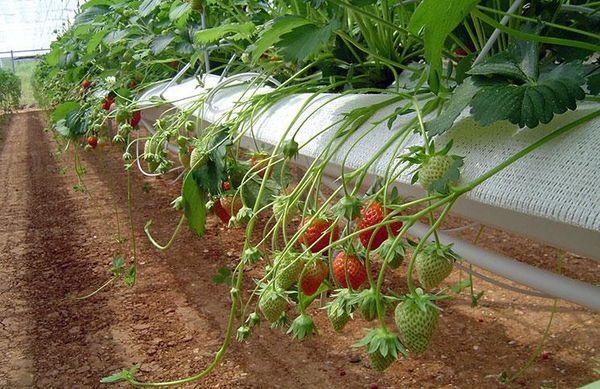
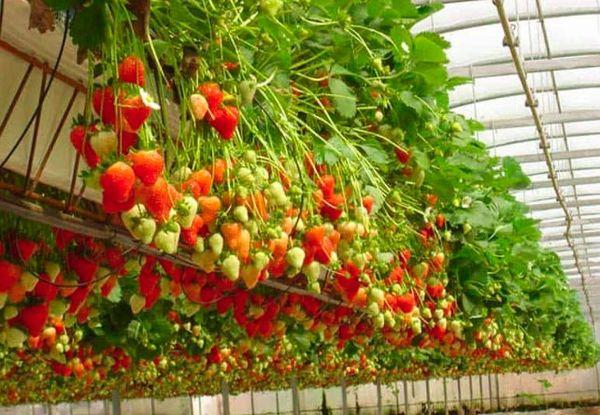
In winter, strawberries should be grown in special greenhouses.For this purpose, special troughs filled with substrate are used. They are suspended at a height of 1.5 meters. A distance of 60-70 centimeters should be maintained.
It is important to take into account that in winter additional costs will be required for heating and lighting the premises.
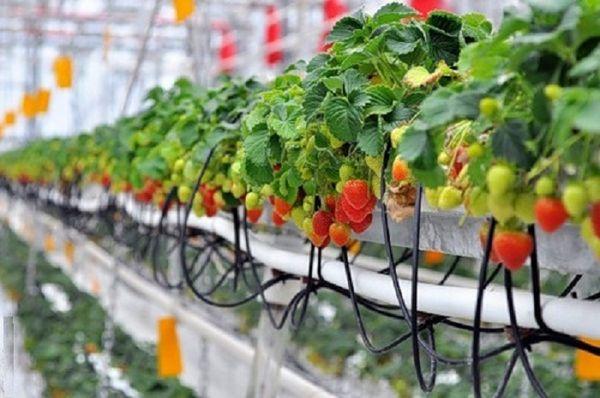
Step-by-step hydroponic strawberry cultivation
To achieve success in growing the crop, it is important to strictly adhere to the procedure technology.
Selecting a variety
First of all, it's important to choose the right variety. There are many types of strawberries that can be grown using this method. The most popular include:
- Everest;
- Gigantella;
- Elvira;
- Festival;
- Gorekla.
Preparing the substrate and planting containers
The substrate used is a porous material that is moisture-absorbing and has a solid structure.
Peat
This is one of the most popular options. Its advantages include the following:
- environmental friendliness;
- use for fertilizing soil after application;
- a large number of air pores;
- low cost.
Expanded clay
This building material is made from clay. Crushed expanded clay is used for hydroponics. Its advantages include the following:
- ease of use;
- durability;
- absorption of excess moisture;
- good root aeration;
- drainage functions.
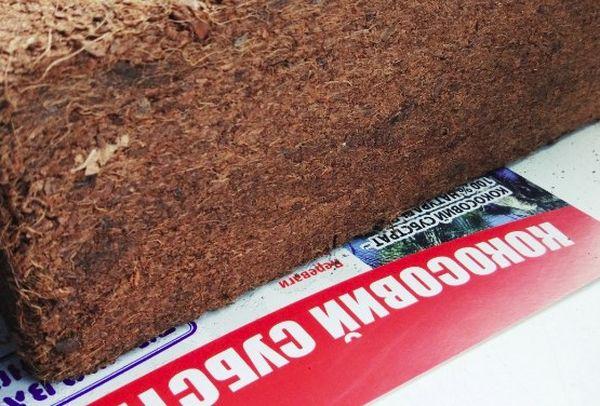
Coconut substrate
It is an organic material that has many advantages:
- absence of chemical impurities;
- water and air retention;
- ideal pH level;
- long-term use;
- high strength.
Mineral wool
The use of mineral wool also has the following advantages:
- absence of unnecessary components;
- acceleration of strawberry growth;
- affordable cost;
- durability;
- free breathing of roots.
Preparing a nutrient solution
The working solution should contain nitrogen, zinc, potassium, phosphorus, and many other important components. The proportions should be calculated individually by a specialist. Otherwise, there's a risk of stunting the crop's development and fruiting.
Nutrients should be dissolved in distilled water. Garden stores sell ready-made solutions that are suitable for all purposes.
Solution supply systems
There are several options for supplying the solution, each of which has its own characteristics.
Drip
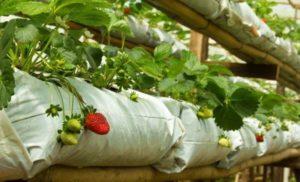
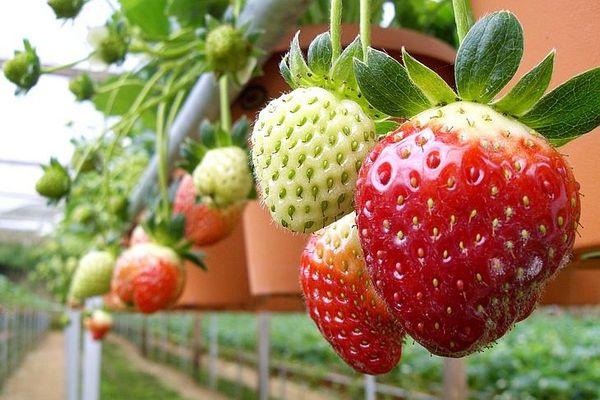
In this case, strawberries are placed in special bags and hung vertically. This helps save space and ensures a high yield.
Nutrient layer
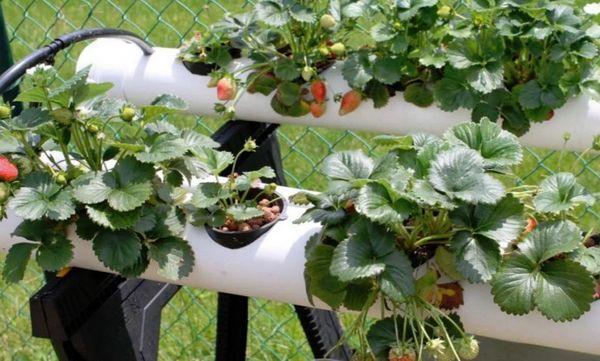
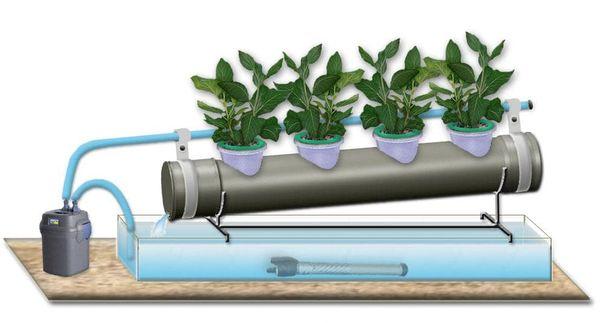
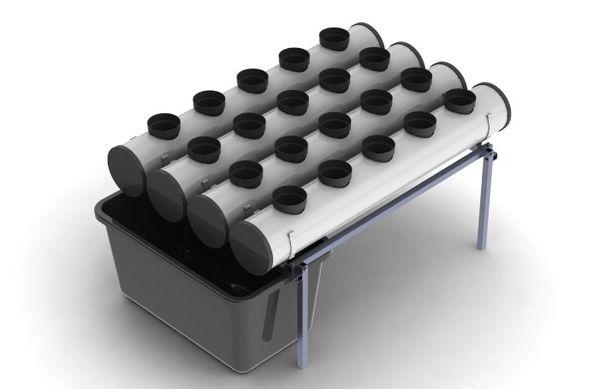
This is a practical method. In this case, the nutrient solution is systematically circulated along the bottom of the equipment. The strawberries are placed in special cups. As they sprout, the roots are gently lowered into the solution. This helps extract the maximum amount of nutrients.
Periodic flooding
This is one of the most effective methods. It's used for large numbers of seedlings. Essentially, it's a well-established system of periodic flooding.
Aeroponics system
This method is also known as artificial fog. It involves immersing the strawberry roots in a humid environment created by a special fog generator.
Transplanting seedlings
Planting of the crop is carried out as follows:
- the bushes are dug out of the soil with a lump of earth and immersed in a container of water for several hours;
- clean the roots from any remaining soil and rinse under warm water;
- the plants are placed in pots so that the roots are located vertically, and sprinkled with substrate;
- watered with distilled water;
- After a week, it is time to use the nutrients.
Growing strawberries this way requires space to develop. Therefore, it's recommended to maintain a distance of 20-30 centimeters between plants. For vigorous varieties, the distance can be increased to 40 centimeters.
Processing and care of berry crops
It is recommended to take proper care of strawberries:
- maintain temperature and lighting parameters;
- control the supply of solution;
- spray with clean water when humidity levels drop;
- Avoid getting nutrient solution on the leaves.
A budget-friendly DIY hydroponic setup
To set up a hydroponic setup, you'll need a container for the solution, some foam, seedling cups, and a nutrient medium. You'll also need a compressor and special media.
To create a system, you should do the following:
- make holes in the foam and insert glasses into them;
- fill the container with water and evaluate the compressor’s operation;
- fill the tanks with nutrient solution and install the compressor;
- Place the cups in the foam and plant the strawberries.
Growing strawberries hydroponically has many advantages. However, it's important to strictly adhere to planting guidelines and provide proper care.
Related posts:
 The best varieties and cultivation of everbearing strawberries, fertilizing and propagation
 Signs of disease and pest attacks on strawberries, treatment methods
 Description of the Florence strawberry variety, planting and care features
 How to grow strawberries at home
 Methods for planting and propagating cherries at home
 Description and characteristics of the Vima Zanta strawberry variety, planting and care scheme
 Description of the everbearing strawberry variety Selva and cultivation technology
 Description and how to plant the Garland strawberry variety