
- The history of Lukhovitsky cucumbers
- What varieties and hybrids are grown in Lukhovitsy?
- Description and characteristics of cucumbers (table)
- Features of the Lukhovitsky F1 variety
- The pros and cons of a hybrid
- How to plant a crop
- Soil preparation and site selection
- Preparing planting material
- Timing and technology of planting operations
- Sow seeds directly into the soil
- Growing seedlings
- Care nuances
- In the greenhouse
- In open ground
- Dangerous diseases and pests: methods of control
- Gardeners' reviews of Lukhovitsky cucumbers
Since the 1930s, freshly picked cucumbers have been arriving in the capital and other regions of the country as early as May. Buying fresh vegetables in the spring was practically impossible; they weren't imported back then. Seeing the excitement about early cucumbers, the entire population of a small town in the Moscow region began growing cucumbers for sale. The region's unique microclimate favored the early ripening of Lukhovitsy cucumbers. In modern Russia, the area planted with vegetables has shrunk, but early cucumbers continue to be grown in the surrounding area.
The history of Lukhovitsky cucumbers
In the 1930s and 1940s, greenhouses were a distant dream in the Soviet Union, but not all regions could grow vegetables in open ground. In the Lukhovitsky District, cucumbers yielded a good harvest, ripening in the third ten days of May. The crop was grown in almost every homestead and garden plot. Residents of the town of Lukhovichi were reluctant to work on a state farm for labor; it was far more profitable to plant cucumbers and ship them to Moscow, for which they were paid real money. In the 1970s, a single plot could yield several dozen tons.
The era of developed socialism was replaced by a new system, and markets and stores were flooded with inexpensive fruits and vegetables from Turkey, Greece, Spain, and Poland. Cucumbers are still grown in the area around Lukhovichi, although on a more modest scale. People value these greens for their excellent taste, which imported vegetables cannot match.
What varieties and hybrids are grown in Lukhovitsy?
In this fertile corner of the Moscow region, a variety of cucumbers are grown, all of which are very popular and have become a brand used to market vegetables from other regions, which are inferior in flavor to the Lukhovitsy cucumbers. Residents of the district and the city prefer to grow varieties that differ in:
- early ripening;
- small fruits;
- resistance to low temperatures.
It gives a high yield Libella cucumberThe bushes produce numerous ovaries, which are then replaced by gherkins. The Izyashny variety is prized for the unique shape of its fruits, which grow up to 13 cm in length.
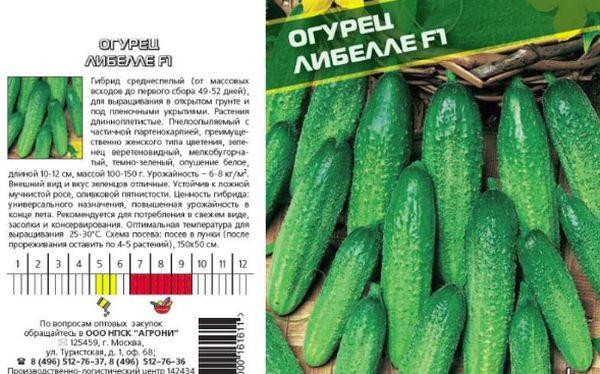
Murom cucumber It is immune to fungal infections and is not affected by bacterial blight. Mirinda ripens somewhat later, forming lateral shoots on which the cylindrical fruits ripen.
The tall-vineed Adam variety always produces a large number of cucumbers, as the female flowers, which appear as early as April, are actively pollinated.
Solinas cucumbers produce clusters of ovaries, producing a profusion of oval-shaped fruits. The Vyaznikovsky variety tolerates temperature fluctuations, and many people love its small, elongated cucumbers.
Description and characteristics of cucumbers (table)
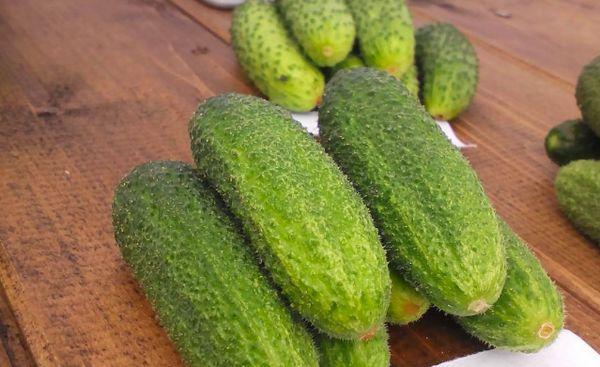
Initially, Russian-bred varieties were planted in Lukhovichi, but it turned out that Dutch hybrids, which don't require pollination, also thrive in the microclimate created by the river delta. Understanding these famous cucumbers is easier with the help of this table.
| Variety | Length of fruits | A lot of cucumbers | Productivity per 1 sq. m |
| Vyaznikovsky | 9–11 | 130 | 2.6–3.5 |
| Muromsky | 10–14 | 110–140 | 2.0–3.0 |
| Elegant | 10–13 | 140 | 5.0–7.0 |
| Mirinda | 11 | 100–115 | 6–6.3 |
| Libella | 12 | 85–105 | 8.0 |
| Solinas | 7–9 | 90–100 | 9.0–10.0 |
| Adam | 11–13 | 90–96 | 8.0–10.0 |
All cucumbers grown in Lukhovichi have juicy, crisp flesh, are not bitter, and have no hollow interiors. The vegetables have a long shelf life, are not damaged during transportation, and are grown both in the garden and in the greenhouse.
Features of the Lukhovitsky F1 variety
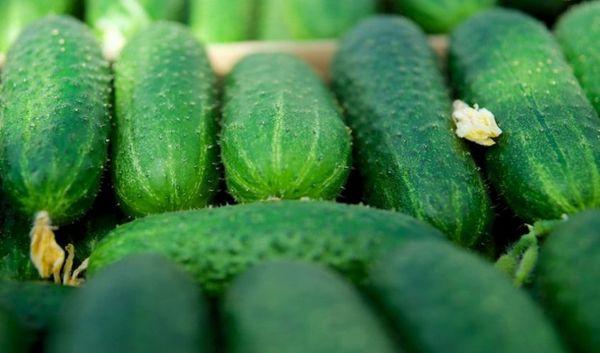
In recent years, gardeners have increasingly been growing hybrids that can withstand extreme temperature fluctuations, are rarely affected by diseases, and are not susceptible to pest infestations. The Lukhovitsky F1 variety possesses precisely these characteristics. According to the description, the bushes produce female flowers, each of which produces two or even four ovaries.
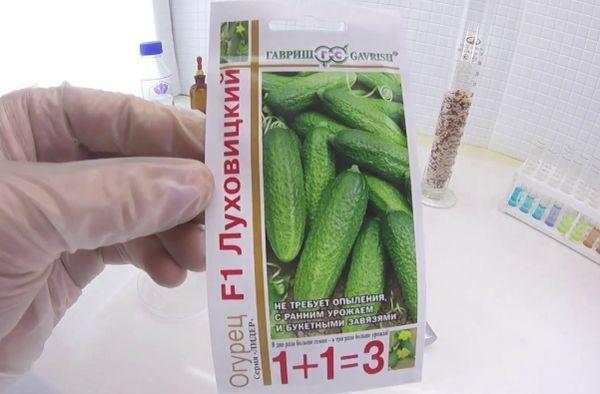
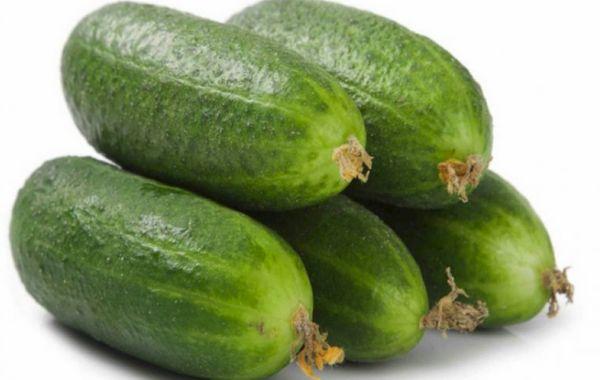
The first fruits can ripen in as little as 45 days, and the harvest is completed two months after sprouting. The oval-shaped fruits are covered with small tubercles, decorated with light stripes, slightly pubescent, and weigh no more than 100 grams.
The pros and cons of a hybrid
It's hard to find any flaws with the Lukhovitsky F1 variety. This cucumber grows both in greenhouses and open beds, and doesn't require bee pollination as it's a parthenocarpic hybrid. The variety's positive aspects include:
- early ripening;
- excellent taste of fruits;
- absence of bitterness and voids in the pulp;
- high yield.
The cucumbers are not damaged during transportation, despite their thin skin, and are suitable for pickling and store well. A bush can yield 7 to 8 kg of fruit.
How to plant a crop
Although Lukhovitsky cucumbers have many advantages, not everyone succeeds in growing a high yield. It's important to follow proper agricultural practices and know where to plant them.
Soil preparation and site selection
All cucumber varieties thrive in full sun, require fertile soil, and do not tolerate drafts and wind well. They do not produce good yields in the shade. In the fall, humus is added to the area chosen for planting, trenches are dug to a depth of 0.4 m, and they are surrounded by boards. The edges should be at least 25 cm high. While the snow has not yet melted, raised beds up to a meter wide are created or a greenhouse is set up, with the topsoil set aside separately. In the spring, after disinfecting the soil with boiling water:
- The bottom of the trench is covered with polyethylene, and sawdust mixed with urea is poured into a 10 or 12 cm layer.
- Place manure on top, heat it up to 50 degrees, and cover with soil.
- The soil is insulated with dark film, and after a few days, holes are cut in it at a distance of 0.4 m from each other.
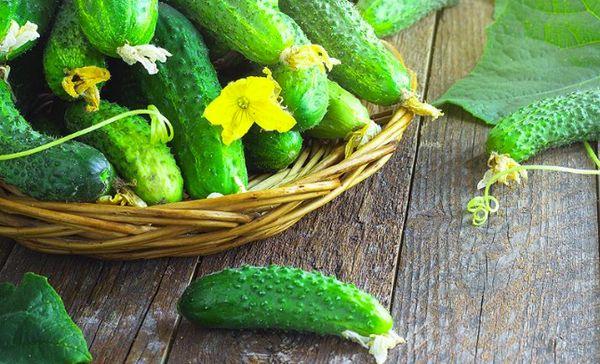
Preparing a site for planting cucumbers helps create a special microclimate and protect the beds from weeds. Under these conditions, seedlings emerge more quickly.
Preparing planting material
In temperate climates, where day and night temperatures fluctuate greatly, seeds don't always germinate. Therefore, cucumber seedlings must first be grown in a greenhouse.
To improve seed germination, place the seeds in a glass of salt water, and discard the seeds that sink to the bottom. These are then disinfected in potassium permanganate or an ash solution. Before planting, the seeds are hardened by alternating cold and heat exposure and treated with a growth stimulant. Seeds aged 7 years and older are enriched with oxygen.
Timing and technology of planting operations
The bottom of the greenhouse is lined with straw, which warms the roots of the bushes. A substrate made from a mixture of peat, humus, and soil, along with seeds and soil, is placed on top of this layer, and then covered with soil.
The greenhouse is insulated with polyethylene film, folded in two layers. Residents of Lukhovichi have been using this cucumber growing technique for over 80 years. Planting occurs in early spring, and within six weeks, strong plants emerge, with the cucumbers ripening in May.
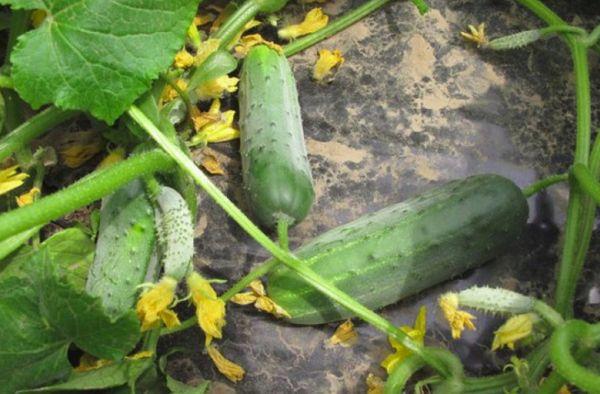
Sow seeds directly into the soil
To avoid the hassle of growing Lukhovitsky cucumber seedlings, create an insulated bed 0.4 m deep. Add the following in layers:
- sawdust;
- manure;
- land.
If seeds are sown early, a greenhouse is set up or the bed is simply covered with plastic. In cold climates, cucumbers will only thrive and bear fruit in a greenhouse.
Growing seedlings
The optimal temperature for germination is 25 or 26°C, then lower it to 22°C. To achieve this, remove the plastic film, and cover the seedlings again after airing. Water the young plants when the soil dries out, and feed them with an ash solution. After a month or a month and a half, move the cucumbers to the garden bed.
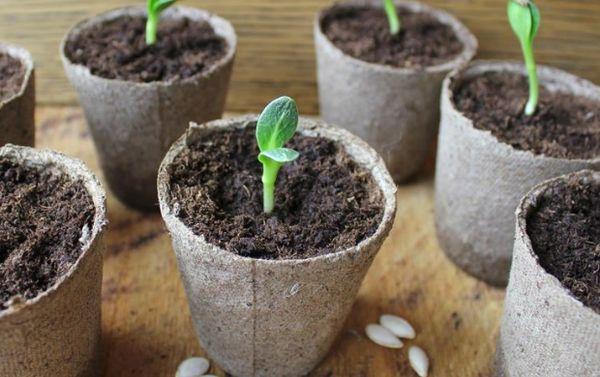
Seeds can be sown not only in a greenhouse, but also in peat pots, which eliminates the need for picking.
Care nuances
Growing Lukhovitsky cucumbers requires a special microclimate, which in temperate latitudes is created in a greenhouse where the temperature can be regulated.
In the greenhouse
The crop doesn't need extreme heat, but at 16 degrees Celsius, the greenhouse frame is additionally covered. Cucumbers react negatively to cold temperatures. They are fed with bird droppings, manure, or a special fertilizer called "Sudarushka." The first application of fertilizer occurs when a few leaves appear. The plants are watered with warm water supplied through pipes.
In open ground
Lukhovitsky cucumbers are usually grown in hotbeds or greenhouses; in southern regions, they thrive in garden beds and produce a bountiful harvest. Care should be taken to follow the same guidelines as for indoor cultivation. Fertilizing the plants with organic matter is best. Watering will require more frequent use, as moisture evaporates quickly in direct sunlight; the soil should not dry out. After watering and fertilizing, cover the soil under the plants with mulch.
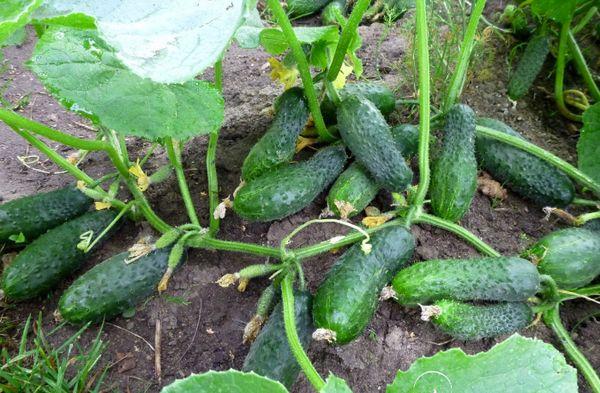 It is not recommended to loosen the soil, since the roots of cucumbers are located near the surface and are easily damaged.
Dangerous diseases and pests: methods of control
Lukhovitsky cucumbers are immune to bacterial infections, but when cold weather hits, a coating appears on the lower leaves, indicating powdery mildew. To prevent this fungal infection:
- The bushes are fed with fertilizers containing phosphorus and potassium.
- A certain humidity and temperature are maintained in the greenhouse.
- In autumn, the soil is thoroughly dug up and cleared of weeds.
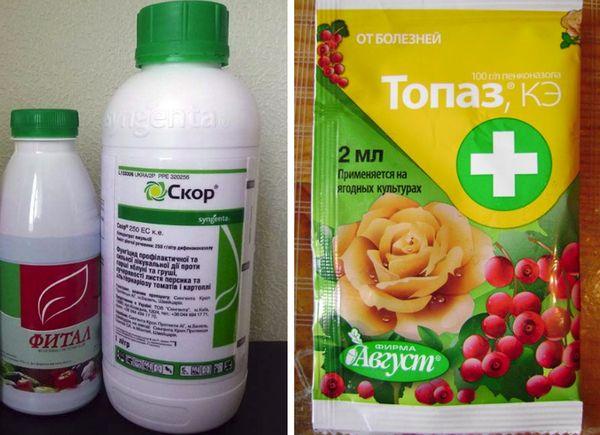
If mold appears, the beds are sprayed with mullein, marigold infusion, and biological fungicides such as Gamair and Fitosporin-M. Chemical preparations such as Skor, Topaz, and Fundazol are the most effective in combating fungi.
Gardeners' reviews of Lukhovitsky cucumbers
Despite the abundance of vegetables at markets, kiosks, supermarkets, greenhouses, and garden beds, gardeners grow tomatoes, eggplants, and cucumbers, and often write rave reviews about their favorite varieties.
Irina Petrovna, 50, Kaluga: "I planted 10 Lukhovitsky F1 hybrid plants as a trial. I harvested at least 5 kg of gherkins from each plant. The crisp, fragrant cucumbers ripened by the end of May. Not a single one had any holes. I really liked their flavor, even though I sowed the seeds in a greenhouse, and the fruits ripened there too. I pickled the gherkins and selected the smallest ones for jars."
Evgeny Vladimirovich, Bryansk: "I'd read a lot about Lukhovitsy cucumbers and wanted to grow my own using the technology developed by residents of this Moscow region town. I bought seeds of the hybrid Adam variety. In early April, I started sowing seedlings. When the plants were a month old, I moved them to the greenhouse, leaving one stem during training. The cucumbers ripened in early June, yielded a good harvest, and the cucumbers weren't bitter, though I'd hoped they'd be tastier. They're perfect for pickling."
Related posts:
 Top 50 Best Cucumber Varieties for Polycarbonate Greenhouses with Descriptions
 TOP 30 best determinate cucumber varieties with descriptions
 TOP 30 best varieties of cold-resistant cucumbers with descriptions and characteristics
 Description of the best varieties of pickling and barrel cucumbers for greenhouses and open ground
 When to plant cucumbers in open ground in Siberia, how to grow them, and the best varieties
 Description of the best early-ripening cucumber varieties for open ground and greenhouses
 Description of the best varieties of Chinese cucumbers, planting, growing and care
 Description of the best, most productive and new varieties of cucumbers for 2025