
- Description and characteristics of the Persimmon tomato
- More about the plant
- Characteristics of fruits
- Productivity
- Disease resistance
- Advantages and disadvantages of the variety
- Features of plant cultivation
- The role of predecessors
- In the greenhouse
- In open ground
- Rules for caring for tomatoes
- Watering
- Pinching out side shoots and garter
- Fertilizer and feeding
- Protection from diseases and pests
- Harvesting, ripening, and use of Persimmon tomatoes
- Feedback from our readers
Tomatoes often have fruit names because they share similar shapes, colors, and flavors. The Persimmon tomato variety has characteristics and descriptions similar to those of the southern fruit of the same name. However, not everyone knows how to grow this vegetable crop. Each variety requires specific climate and weather conditions. By studying the plant's characteristics, you can determine whether this tomato can be grown in your garden.
Description and characteristics of the Persimmon tomato
If you want a harvest of delicious tomatoes, you have to put in the work. The Khurma tomato variety is for hard-working gardeners. The result is both a decorative bush and excellent fruit.
More about the plant
This new tomato variety was developed by hobbyists who wanted to create a vigorous plant with juicy, sweet fruits of a unique color. This vegetable plant is a determinate vegetable. The bush has a sturdy stem 80-100 centimeters long. Large, light green leaves protrude from the branches, giving the plant a full appearance. Fruit ovaries appear after the seventh leaf. Each fruiting branch bears 4-5 tomatoes.
A variety of this variety is Khurma NK, which can be classified as a tall tomato. Plants reach 1.2 meters in height. Otherwise, the hybrids are similar.
They typically mature in medium periods, ranging from 95 to 120 days. The fruits begin to ripen in late July and can reach full maturity within a month.
Characteristics of fruits
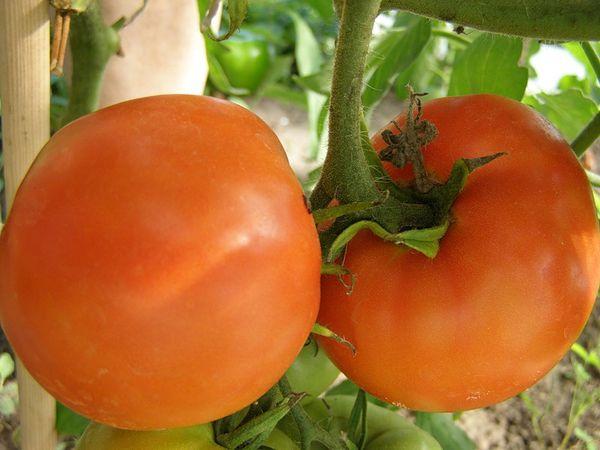
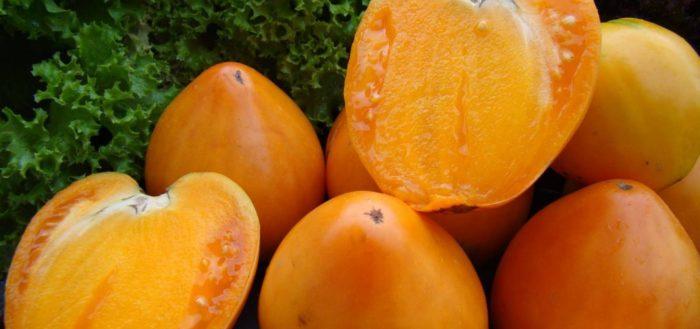
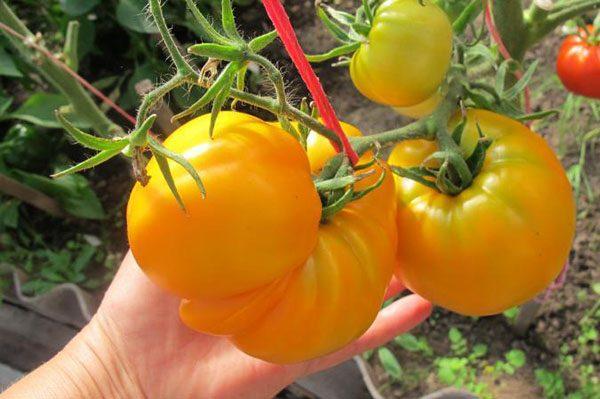
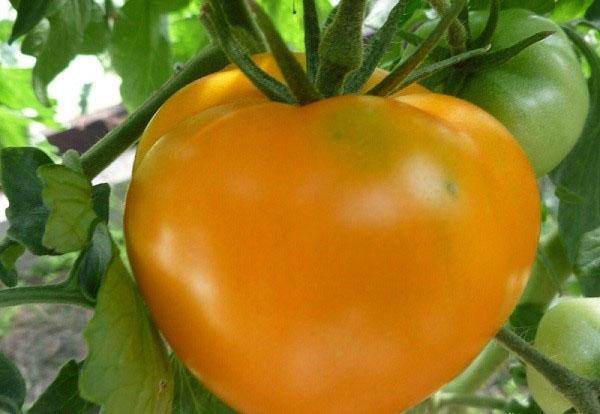
Tomato Khurma is famous for tomatoes that:
- painted orange;
- weighing from 300 to 500 grams;
- with a strong skin;
- juicy, sweet pulp;
- with 5 seed chambers.
Tomatoes contain more sugar than acid. However, if left unharvested for too long, they become more sour. The dry matter content of tomatoes is at the level of 4%, which indicates their fleshiness and low water content.You can determine the technical maturity of tomatoes by the absence of a green spot near the stalk.
Productivity
You can quickly grow orange tomatoes in a greenhouse. However, outdoors, the harvest also begins in August. Yields depend on proper care and favorable weather conditions, ranging from 4 to 6 kilograms per plant.

Disease resistance
It's impossible to say that plants are completely immune to disease. Everything depends on how they are cared for. And preventative measures ensure complete protection against pests, pathogenic fungi, and bacteria.
Advantages and disadvantages of the variety
The advantage of choosing the Persimmon tomato variety is that the crop is famous for:
- large fruits for general use;
- high yields;
- good seed germination;
- successful fruiting in closed and open ground;
- the commercial appearance of tomatoes and their transportability.
Tomatoes of this variety can be harvested even when unripe. They ripen well indoors. A disadvantage of this hybrid is that it does not tolerate drought or heat well. Susceptibility to disease is also a disadvantage of this variety.
Features of plant cultivation
Tomatoes can be grown in any region. However, the rules for growing them outdoors are slightly different from those for greenhouses. In each case, it's necessary to determine the right location for the vegetable crop and choose the right neighbors. Agricultural technology of tomatoes This method is associated with seedlings. Seeds are planted in boxes with nutritious soil in March. They are cared for and, at 50-60 days old, transferred to a garden bed or greenhouse.
The role of predecessors
You can plant tomato seedlings where legumes, cabbage, and cucumbers grew. Tomato seedlings should not be planted after nightshades. Pest larvae may survive in the soil and ruin the vegetable crop.
In the greenhouse
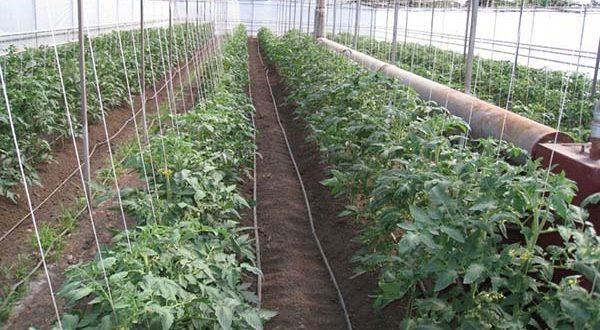
For greenhouse growing, seedlings can be prepared earlier. Tomato seeds can be placed in the ground as early as February. Planting in a greenhouse should take place in April. A soil layer of 18 centimeters is added. This layer consists of equal parts turf and humus. A small amount of river sand is added to loosen the soil.
Before planting the Khurma tomato seedlings, add 50 grams of wood ash to the hole and mix it with the soil. Mark a distance of 50 centimeters between plants and the same distance between rows.
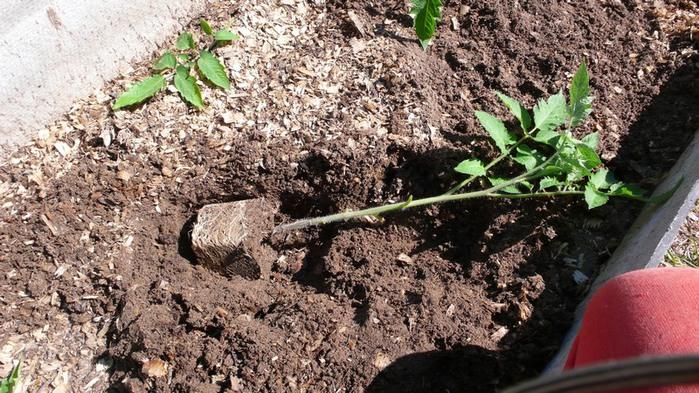
Seedlings should be planted deeper, and if they're stretched out, they should be planted at an angle. The stems are then placed on the ground and covered with soil, without removing the leaves.
In open ground
For open ground, tomato seeds are planted for seedlings in mid-March. In late April or early May, the seedlings can be transplanted to the garden beds. The layout for the vegetable plants is 60 x 60 centimeters. The dimensions of the holes are 30 x 30 x 30 centimeters. Each hole should be filled with 500 grams of humus and 70 grams of wood ash. All this is mixed with the same volume of sod soil.
Tomato seedlings are planted in the soil up to the first true leaf. It's best to plant in the evening, which ensures rapid establishment and accelerated growth. Persimmon tomatoes should be tied to stakes and watered immediately.
Rules for caring for tomatoes
Non-standard tomato varieties require more careful care. In addition to watering, they require staking and pinching.
Watering
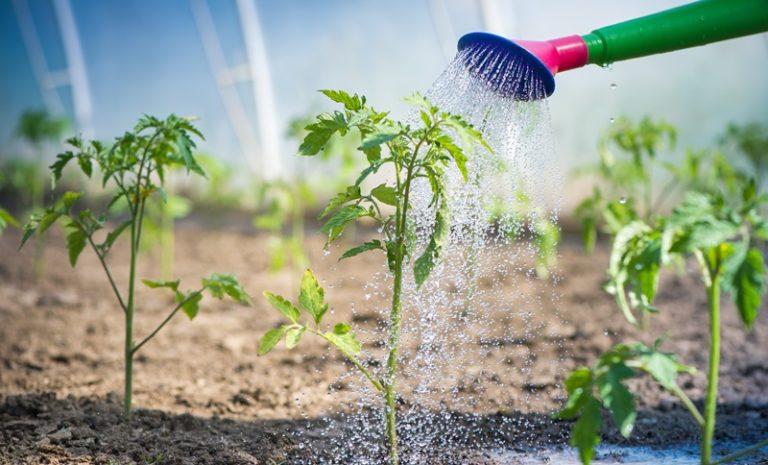
Water the plants regularly. Don't allow the soil in the beds to dry out. Reduce the frequency of watering when flowering begins. This is necessary to slow down the vegetative growth of the tomatoes. By reducing this, the growth of side shoots will slow down, and the plant will use all its nutrients to produce fruit.
Pinching out side shoots and garter
The number of stems and side shoots on a tomato plant is directly related to its yield. The more stems, the smaller the fruits will be and the later they will ripen. Khurma tomatoes are trained with 1-2 stems. The stem is left under the first cluster, and then above. Excess shoots are removed by breaking them off when they reach 3-5 centimeters in length.
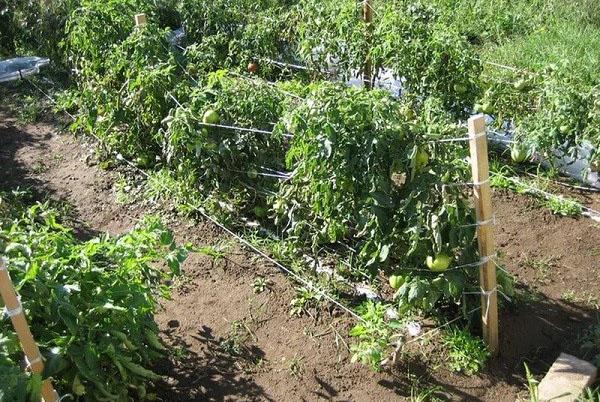
In open ground, plants are tied to pegs; in a greenhouse, a trellis is used. The garter needs to be changed as the stem grows.
Fertilizer and feeding
A lack of micronutrients in the soil will affect the crop's development. Flowers will fall off if tomatoes lack phosphorus and potassium, and if there's too much nitrogen. Fertilize the plants every 2-3 weeks. Organic fertilizers such as cow manure and bird droppings are suitable. They should be diluted in water and watered.
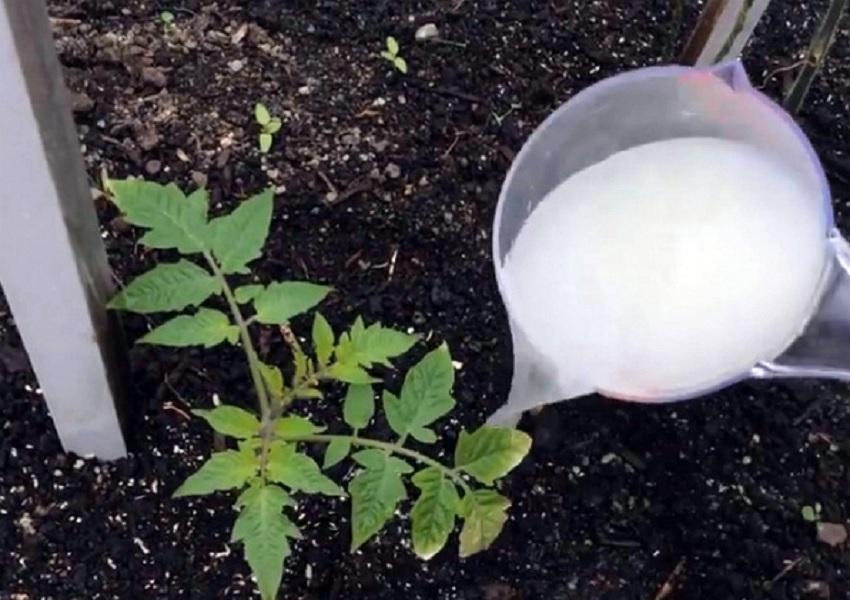
Then, solutions containing superphosphate, ammonium nitrate, and potassium salt are applied. During the tomato ripening period, phosphorus-potassium mixtures are left in the fertilizer, which are then replaced by the addition of wood ash.
Protection from diseases and pests
Preventing diseases of the Persimmon tomato is essential. To do this, take the following preventative measures:
- Two weeks after planting, spray the bushes with Bordeaux mixture. It is used in a 1% solution.
- The treatment is carried out 2 more times with a 10-day break.
- Bait made from oil cake and chopped potatoes poisoned with toxins will protect against wireworms.
- Greenhouses are disinfected annually with a copper sulfate solution.
- Before planting, tomato seeds should be treated with potassium permanganate.
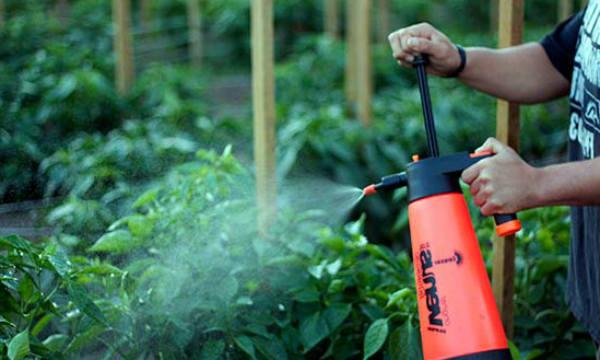
Taking timely measures to protect vegetable crops will make them inaccessible to pests and carriers of infection.
Harvesting, ripening, and use of Persimmon tomatoes
Khurma tomatoes need to be picked on time. They're ripe when they're a solid orange color, with no green spots. Don't leave them on the vine for too long, as their flavor will deteriorate. You can pick the tomatoes when they're not quite ripe and store them in a dark room to ripen. Maintain the temperature at 25 degrees Celsius.
The unique thing about Khurma tomatoes is their delicious flavor. They make amazing salads. They can be added chopped to mixed vegetables. But they're best enjoyed fresh.
Feedback from our readers
Anna, Vologda: "In our northern region, you can grow tomatoes in a greenhouse. I've had my eye on the Khurma variety for a while now. I like the taste of the fruit. I just need to pick them in time. My kids and I enjoyed these healthy tomatoes all August and September. They really do taste a bit like persimmons."
Valentina, Irkutsk: "I love experimenting with tomatoes. I chose Khurma because of the unusual color of the fruit. I grow it like all other varieties in open ground. I plant the seedlings in early May, first covering them with plastic. If you prune the bushes correctly, you'll get a good harvest. One summer, I harvested 6 kilograms of large tomatoes from a single bush. I use them to preserve for the winter, although they're simply amazing fresh."
Related posts:
 Description of the beneficial and harmful properties of persimmon for the body, contraindications
 What is the best way to feed tomato seedlings to make them plump?
 What varieties of tomatoes are best to plant in a polycarbonate greenhouse?
 Description and characteristics of the best indeterminate tomato varieties for greenhouses
 Description of the best tomato varieties for open ground and greenhouses in the Krasnodar region
 Description and characteristics of the best tomato varieties for outdoor cultivation in the Urals
 What fertilizers and when to use for feeding tomatoes in a greenhouse
 When is the best time to plant tomato seedlings in 2025 and when to sow seeds?