
- Description and Features
- Varieties
- Sauvignon
- Fran
- Northern
- Michurinsky
- Karol
- Carbon
- Yura
- Dorsa
- Noir
- Cortis
- Main characteristics
- Appearance
- Clusters
- Berries
- Frost resistance
- Productivity
- Transportability
- Disease resistance
- Planting and care features
- Top dressing
- Watering
- Trimming
- Diseases and pests
- Grape mite
- Spider mite
- Leaf roller
- Harvesting and storage
- Applications of berries
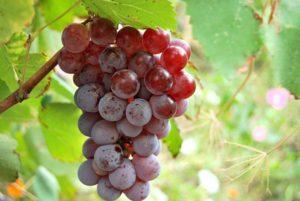
Extremely popular in world winemaking Cabernet Sauvignon grapesIt produces exceptionally tasty and richly colored wines. It includes several varieties. Each variety imparts unique flavor notes and an incredible aroma. The aroma and taste of the wine change depending on growing conditions, local characteristics, and aging techniques.
Description and Features
Cabernet grapes are used exclusively in winemaking, grown to produce rich red wines. They are bisexual. They produce fruit well without the presence of another pollinator, but with one, increased yields are observed. Additional pollination allows for increased berry size, weight, and cluster density.
It produces dark berries, the color of which varies depending on the variety. It tolerates heat quite well. Prolonged drought and lack of ample watering can reduce yield.
Varieties
The Cabernet variety is of great interest to breeders. It is the subject of ongoing breeding efforts aimed at improving its existing characteristics. Numerous new varieties have been developed based on it, with improved quality attributes including frost resistance, disease immunity, soil quality, and care requirements. Let's look at some of the most common varieties in this group.
Sauvignon
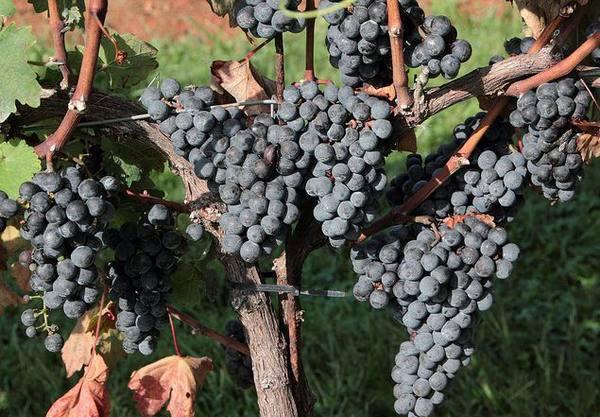
The Sauvignon variety grows as a vigorous bush, resistant to gray mold. It tolerates temperatures down to -25°C. It produces blue, rough-skinned berries. They ripen late, not earlier than late September. They are medium-sized, about 15 mm in diameter. Their flavor has a slight nightshade note. The maximum berry weight is 120 g.
Fran
A mature Cabernet Franc grows from a small sapling into a dense, vigorous bush with large foliage. It produces medium-sized, cylindrical clusters. The black-blue berries have a hard, tough skin. Despite this, they are very juicy and sweet. Thanks to their rich flavor, the berries received a tasting score of 8.7.
Northern
The Severny grape variety grows as a small bush and ripens no earlier than late August. The berries produce excellent dessert and table wines. They are gathered in small, densely structured clusters weighing 100 g. The berries are small and black. The plant easily tolerates temperatures down to -25°C.
Michurinsky
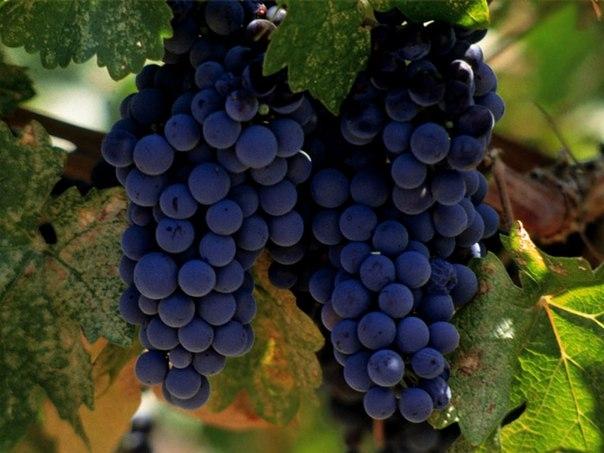
The black berries of the Michurinsky grape are collected in clusters weighing up to 100 g. The berries are small, only 1.5 cm in diameter. Their flavor is reminiscent of nightshade. Their thick skin ensures good storage and transportation. They have few seeds, no more than three.
Grapes are tolerant of prolonged drought, but lack of irrigation affects yield. They easily tolerate temperatures down to -25°C. They require preventative treatments against mildew.
Karol
At the end of August, the vigorous Karol grape ripens and is ready for harvest. Its small berries weigh up to three grams and are dark purple in color. Each bunch weighs up to 450 grams.
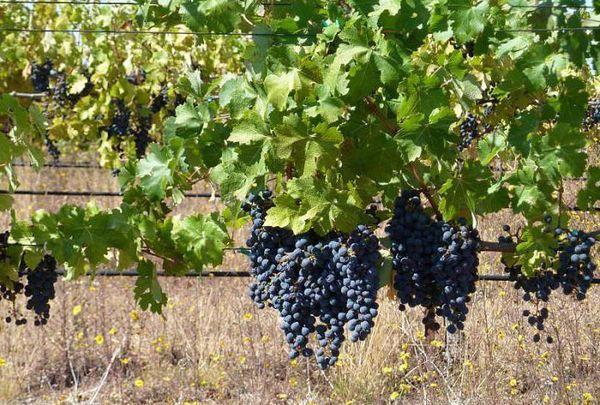
This high-yielding variety is grown to produce high-quality wines. It easily tolerates temperatures down to -25°C and is resistant to common diseases.
Carbon
Cabernet Carbon pollinates well in mixed plantings. It thrives uncovered at temperatures no higher than -23°C. In late September, the bush produces thick-skinned purple berries, gathered in loose clusters weighing up to 180g each. The berries are small, tart in flavor, weighing no more than two grams. They are distinguished by their incredible aroma and juicy flesh.
Yura
Cabernet Jura is a medium-sized bush with a well-ripening vine and excellent rooting of cuttings. It is susceptible only to gray mold, but is resistant to other diseases. It tolerates frosts down to -25°C. In regions with lower temperatures, it is grown under cover.
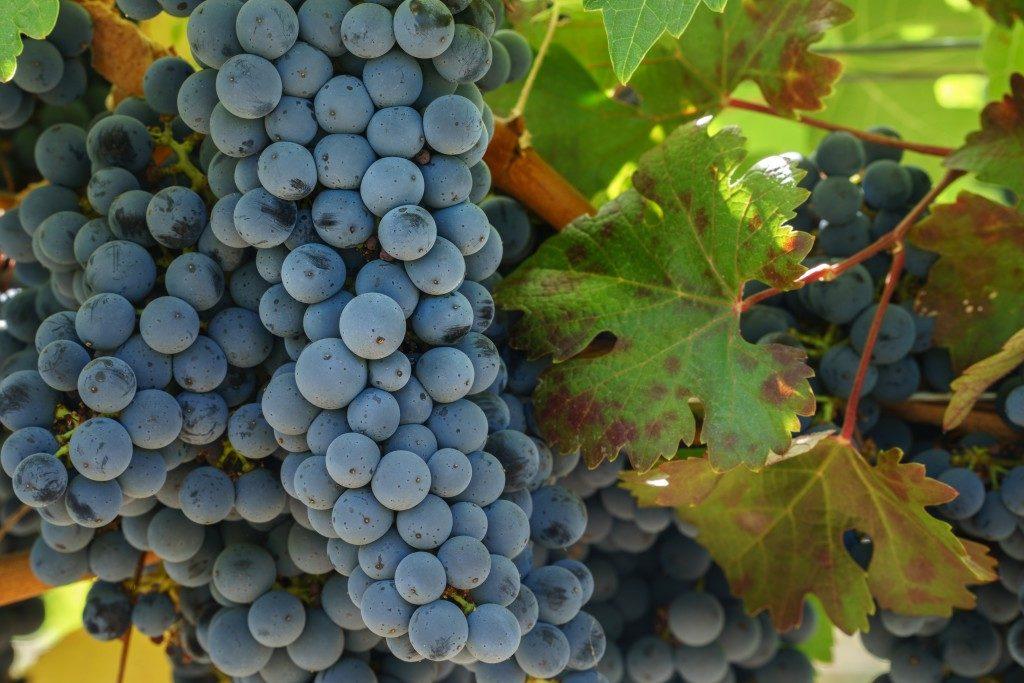
The harvest ripens in late August. The berries have very juicy flesh, weighing no more than three grams. They are gathered in small clusters, each averaging around 250 grams.
Dorsa
Dorsa grapes are cultivated for industrial use and have upright, well-ripening shoots. The plant produces very few side shoots, making pruning easier and saving gardeners significant time. Dorsa grapes are characterized by average yields. The oval, black berries, averaging 3 grams, ripen 125 days after the start of sap flow. The clusters are medium-sized, loosely structured, weighing 200 grams. The variety is frost-resistant at temperatures down to -25°C.
Noir
The Noir grapes ripen in late August. The berries are very small, black, and have a dense, thick skin. They are harvested in bunches weighing 150 g.
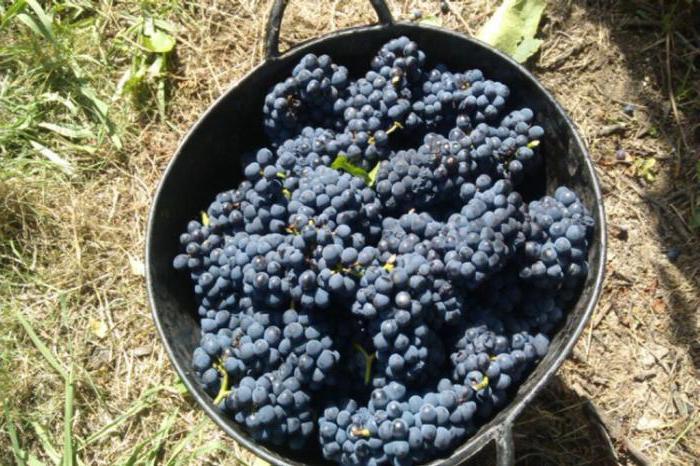
This variety thrives in regions with cool climates and low winter temperatures. It grows very slowly and weakly. Its shoots are vertical and produce very few side shoots. Since it rarely gets sick, it easily grows without the need for chemical treatments such as fungicides.
Cortis
Cabernet Cortis is distinguished by its vigorous growth habit and average number of side shoots. The vine ripens within normal limits. It produces medium-sized, purple berries with juicy flesh and a slight mucilage content. They are borne in loose clusters weighing 150 g. The yield ripens in late summer and reaches 160 c/ha. The variety tolerates temperatures down to -22°C.
Main characteristics
Cabernet is a wine grape variety grown for red wine production. It is widely cultivated in most countries with warm climates. Under unfavorable growing conditions, it is prone to flower drop, but generally produces consistently high yields.
Appearance
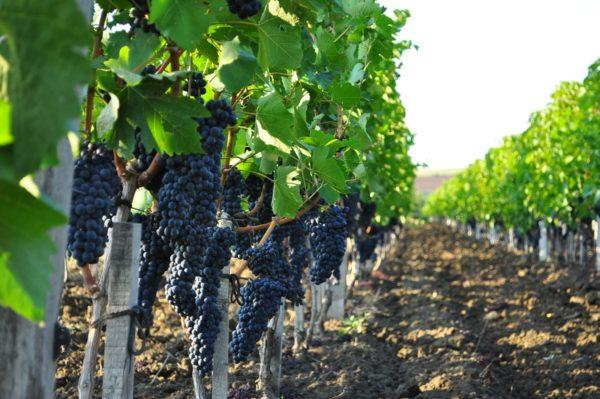
Deeply dissected, dark green leaves are the hallmark of the Cabernet grape. The height and spread of the bush depend on the specific characteristics of the variety.
Clusters
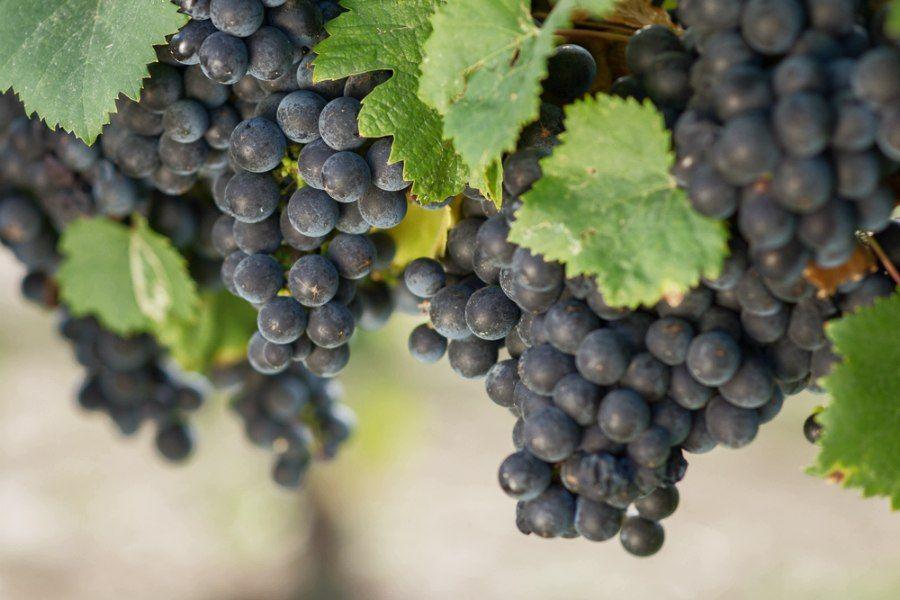
Cabernet grape clusters are predominantly conical in shape with long stems, ranging from 12 to 15 cm in length. Each cluster weighs no more than 150 grams.
Berries
The dark berries are covered with a light waxy coating and a thick skin. Despite their rich color, their juice is colorless and accounts for approximately 80% of the berries' volume. The berries are 1.5 cm in diameter.
They have a specific taste: with characteristic hints of nightshade.
The harvest ripens on the 140-160th day, but to obtain a rich wine it is collected much later.
Frost resistance
Depending on its individual characteristics, the variety thrives in low temperatures ranging from -22 to -26°C. In southern regions, it is often grown without cover.
Productivity
Cabernet grapes are not known for their large yields. Yields are average to below average. Yields vary depending on the growing region and range from 60 to 160 centners per hectare. Yields vary greatly depending on varietal characteristics, care, growing region, weather conditions, and the presence of pollinators.
Transportability
Thanks to its thick, dense skin, it tolerates transportation well and is a commercial product.
Disease resistance
Breeders have worked diligently to develop resistant varieties. Cabernet grapes and their numerous relatives have demonstrated increased resistance to most common diseases. The exceptions are individual varietal characteristics. However, they are susceptible to fungal diseases and rot.
Planting and care features
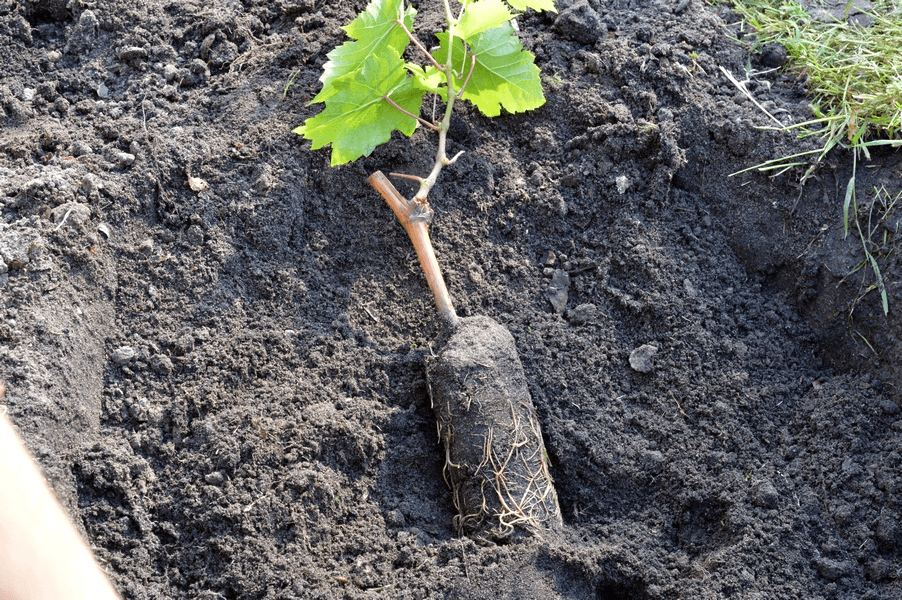
Cabernet grapes are easy to grow, but marshy areas require good drainage. The seedling takes root well in its new location, regardless of the time of planting.
It also doesn't require any subsequent meticulous attention: it's an excellent option for beginning gardeners to try their hand at.
Top dressing
In the first few years after planting, grapes don't require any additional fertilizer. They are perfectly happy with the essential micronutrients added to the soil during planting hole preparation.
Starting at four years of age, grapes require mineral and organic fertilizers to ensure active fruiting. Nitrogen-potassium fertilizers are used in the spring.
You can enrich the grapes with organic matter by covering the root zone with mulch made from rotted manure or by diluting it in water and combining it with autumn watering.
Watering
Grapes need periodic watering, but excess moisture has a negative impact on their development.
Overwatering during the ripening period causes watery berries, so avoid overwatering. High humidity often leads to the development of fungal diseases.
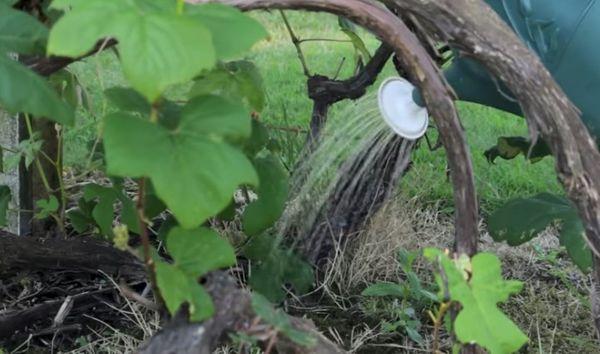
During the season, grapes are watered at least three times, depending on weather conditions. If winters are light and the soil is dry after the spring snowmelt, grapes require ample watering. Watering should be repeated before flowering and in the fall.
Trimming
Cabernet grapes are pruned to form a vine. This involves leaving no more than six lateral shoots, and removing all remaining shoots. This type of pruning promotes vigorous development of the lower buds and increases yield. An overly overcrowded vine produces little fruit.
Diseases and pests
The Cabernet variety is resistant to most common diseases. Preventative treatment of the bushes with various chemicals can help prevent the unpleasant consequences of fungal diseases.
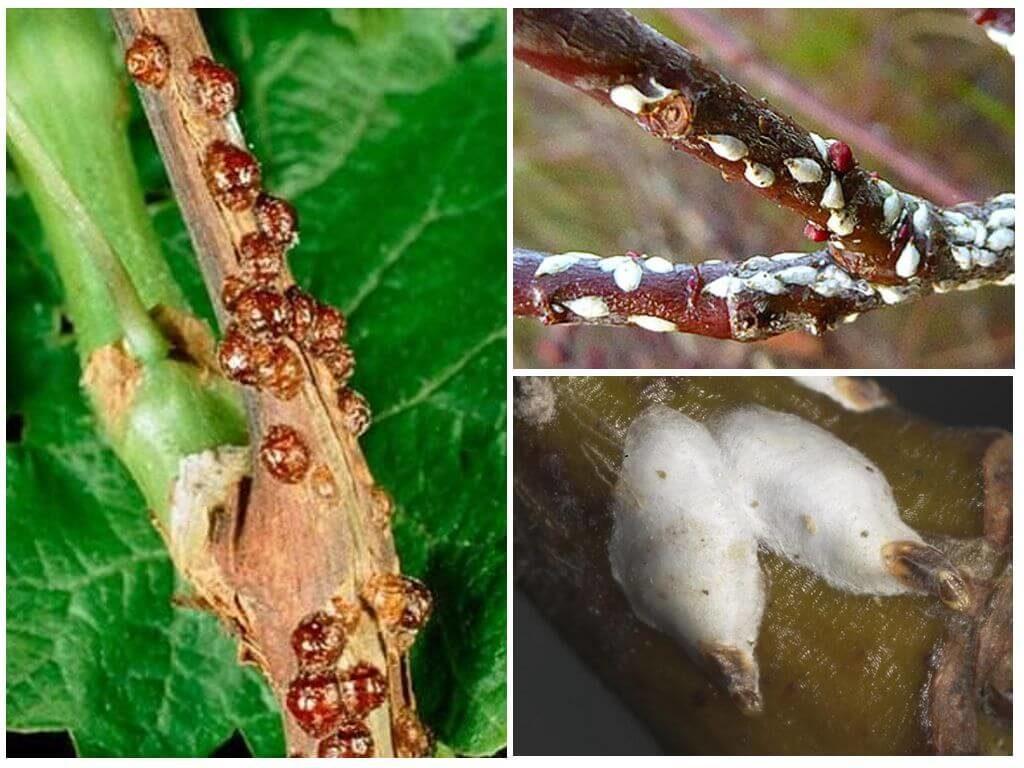 To avoid using chemicals on fruiting plants, use a four percent soap solution, spraying the bush or wiping the leaves with it.
The following are dangerous for this variety:
- grape mite;
- spider mite;
- leaf roller.
Let's take a closer look at the methods of combating these insects.
Grape mite
Numerous raised areas on the leaf blade indicate the presence of grape mites. They pierce these areas and release saliva. A white fluff appears on the underside of the leaf, which subsequently turns red. If no action is taken, the entire plant may be affected by July.
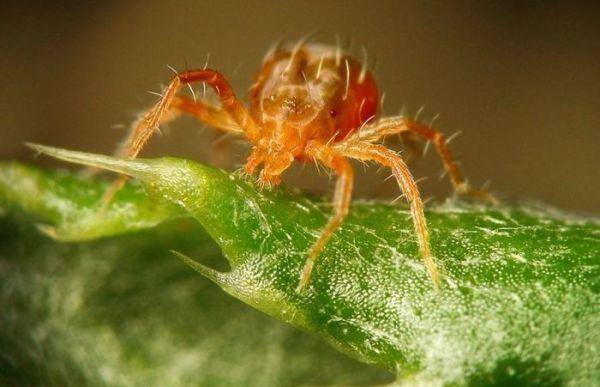
Affected leaves should be removed and burned. Spray the bush with sulfur-containing products at least twice, thoroughly treating both sides of the leaf.
Spider mite
When spider mites infest a garden, they envelop the grape leaves and cause irreparable damage. Severely damaged parts of the plant are pruned, and the bush is thoroughly sprayed with a soapy solution.
Leaf roller
The leaf roller moth is a big fan of damaging berries. It entangles them in a dense web, blocking the flow of nutrients. As a result of these massive attacks, the harvest rots.
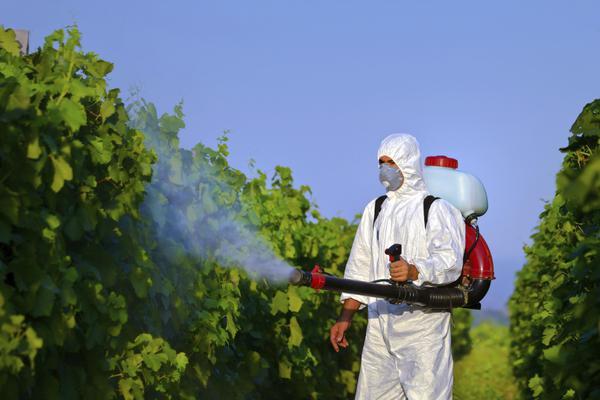
In case of infestation, insecticides are used. The frequency of treatment depends on the severity of the infestation, but it is not recommended to spray grapes more than four times per season.
Harvesting and storage
The harvest time depends on the ripening characteristics of the variety. In commercial farms, it is determined by the technical ripeness of the berries. To produce high-quality wines, berries that have reached the required levels of sugar content and acidity are used. For red table wine, these parameters are:
- sugar content - 18-20 g/l;
- acidity - 5-8%.
The harvest is carried out using semi-mechanized and mechanized methods. This helps minimize harvesting time and preserve the required chemical composition.
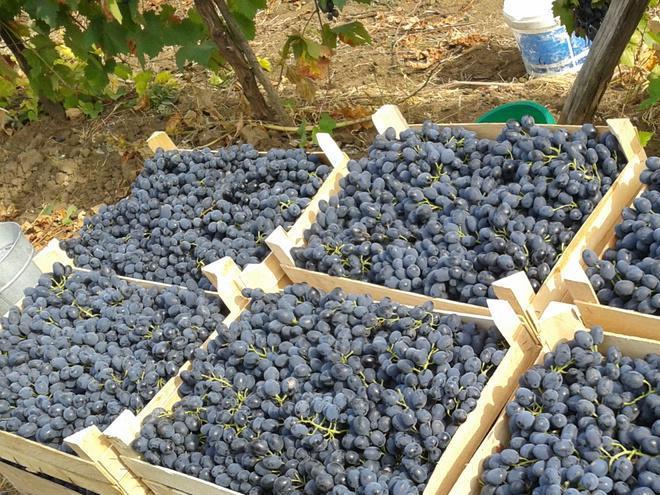
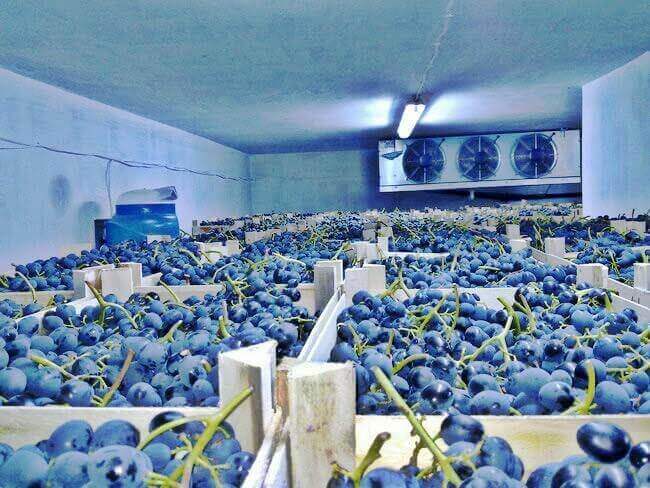
The harvest is most often stored in low boxes. The berries are laid in a single layer. Pine sawdust helps extend the shelf life.
Applications of berries
The tart Cabernet berry has gained worldwide recognition for the aromatic flavor of the red wines successfully made from this variety.
The berries have a rich and tart flavor, so winemakers blend several varieties.
Cabernet grapes are one of the most undemanding varieties: they tolerate low temperatures and drought well, and are rarely susceptible to disease. The berries store well and are easy to transport. They are especially popular with red wine lovers.
Related posts:
 Description of 30 grape varieties for Siberia, planting and care for beginners
 Description of 30 varieties and types of Muscat grapes, planting, cultivation and care
 Beginner's Guide to Growing Grapes in Open Ground in Central Russia
 The best grape varieties for growing in the Urals, planting and care rules in summer
 Description and cultivation techniques for the Muromets grape variety
 The ripening time of grape vines by variety, how to speed up the process, and what to treat the plant with
 Description and characteristics of 45 of the best frost-resistant grape varieties
 Description and propagation of the Amur grape variety, planting and care