
- Description and Features
- History of selection
- Main characteristics
- Description of the bush
- Description of bunches and berries
- Productivity
- Transportability
- Frost and drought resistance
- Disease resistance
- Taste qualities
- Applications of berries
- Pros and cons of the variety
- How to plant correctly
- Recommendations for choosing deadlines
- How to choose and prepare a site
- How to select and prepare planting material
- Planting diagram
- Care instructions
- Watering mode
- Top dressing
- Trimming
- Mulching
- Preventive spraying
- Protection from birds and pests
- Preparing for winter
- Thinning
- Methods of reproduction
- Diseases and pests
- Zlatka
- Ticks
- Leaf roller
- Thrips
- Phylloxera
- Weevil
- Harvesting and storage
- Tips from experienced gardeners
Among the wide variety of new grape varieties, the Sphinx grape variety has already earned the recognition of gardening enthusiasts. It is distinguished by its enhanced immunity to major diseases and pests and the harmonious flavor of its harvest. Due to its high resistance to adverse environmental factors, the variety is cultivated almost everywhere. To achieve the desired result, it is necessary to consider the strengths and weaknesses of the variety.
Description and Features
The Sphinx grape is an early-ripening table grape variety. Its growing season lasts 100-105 days. Its distinctive feature is its late flowering period, which protects the plant from the damaging effects of recurrent spring frosts. Ripe Sphinx grapes are harvested in mid-August.
History of selection
Renowned amateur breeder V.V. Zagorulko worked on developing a new, promising variety. The parent pair was the Moldovan grape variety Strasensky and the ultra-early Timur. This selection resulted in the high-yielding Sphinx grape variety with dark-colored berries. This large-fruited hybrid has proven itself even in risky farming zones.
Main characteristics
To successfully grow Sphinx grapes, it is recommended to become more familiar with its varietal characteristics.
Description of the bush
The self-fertile Sphinx grapevine is characterized by vigorous growth and a robust root system, allowing it to easily withstand short-term drought and sudden temperature fluctuations. The robust vines, which ripen quickly and fully, produce large, medium-lobed leaves. Given the bisexuality of its flowers, Sphinx grapevines require no additional pollination.
Description of bunches and berries
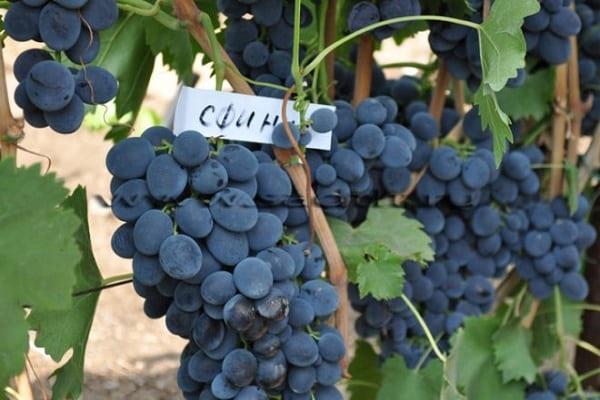
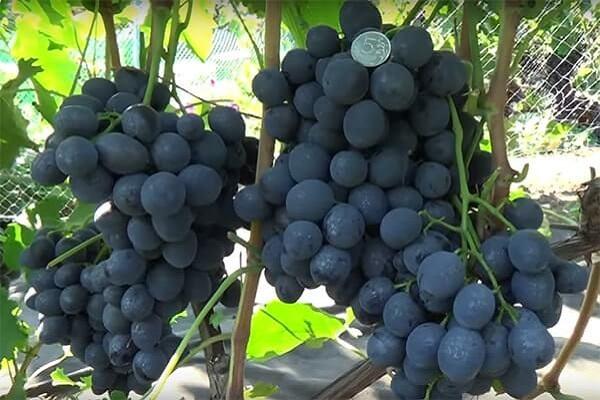
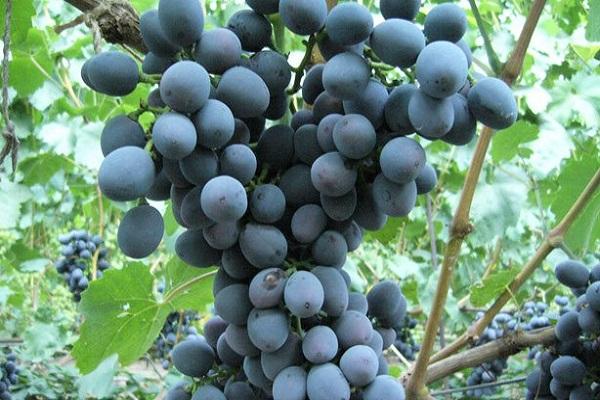
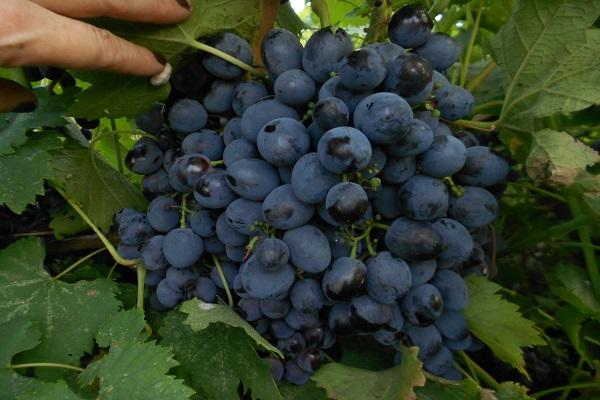
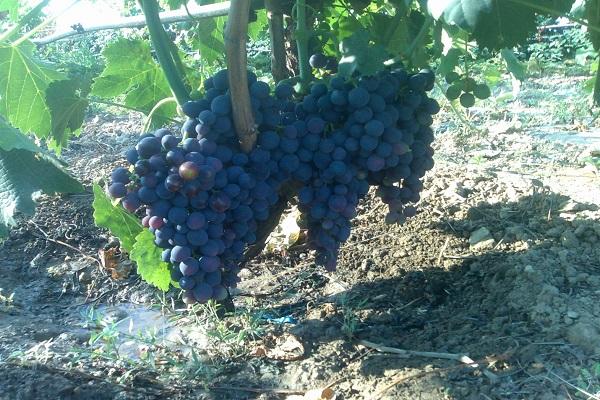
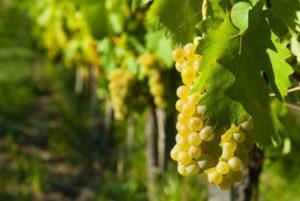
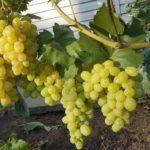
Sphinx grapes typically form cone-shaped clusters, though some swollen-cylindrical specimens are occasionally encountered. The average weight of a single bunch reaches 800 g, but under favorable growing conditions, this figure can increase to 1,500 kg. Sphinx berries are distinguished by their round or slightly elongated shape, and their color is dark blue with a bluish bloom.
The grapes are almost 30 mm long and weigh between 8 and 10 g. The pulp is notable for its moderate density and juiciness. When eaten fresh, there is no crunch. Because the berries are not tightly packed together, the clusters have a loose texture.
Productivity
Fully ripened Sphinx grapes are harvested after 3.5 months—in the second half of August. However, due to different climate conditions, these timings may vary in each region. Table grapes yield 10 kg per vine.
Important! The first Sphinx grape harvest can be harvested already in the second year of cultivation..
Transportability
The berries of this variety tolerate long-distance transportation quite well, and are rated as average. The commercial quality of Sphinx fruits is decent, and their shelf life is good.
Take a look Also
Frost and drought resistance
According to gardeners, the Sphinx grape variety is frost-hardy, able to withstand temperatures as low as -23°C. However, in harsh winters, the vines should be provided with additional protection or planted in greenhouses. Sphinx also adapts easily to heat. It doesn't suffer from drought; it's more susceptible to strong winds.
Disease resistance
The main diseases of berry crops do not pose any danger to the bushes:
- downy mildew;
- powdery mildew.
The only thing you need to do is protect your grape vines from gray mold by using special treatments during preventative measures. Pests that attack grape vines include wasps, mites, thrips, weevils, and leaf rollers.
Taste qualities
Sphinx berries have a pleasant, sweet taste and a distinctive aroma. The fruits are juicy and thin-skinned.
Important! Sugar content in the Sphinx variety reaches 25% in warm summers, and only 18% in cold ones. Acidity is 5-6 g/l..
Applications of berries
Due to its moderate transportation times, the harvest is often grown for personal consumption. It is primarily consumed fresh. However, it is also suitable for making wines, compotes, and desserts, especially during the hot season and the berries have reached their peak sugar content.
Pros and cons of the variety
Experienced gardeners note the following advantages of the Sphinx grape variety:
- sufficient resistance to major diseases;
- winter hardiness of bushes;
- drought resistance;
- stability of fruiting;
- excellent taste;
- rapid rooting of cuttings;
- early maturity;
- large-fruited.
The following can be highlighted as disadvantages:
- average marketability indicators;
- susceptibility to wasp infestation;
- tendency of fruits to crack.
Despite some disadvantages of the Sphinx grape variety, it is particularly valued for its high degree of adaptation to extreme climatic conditions.
How to plant correctly
To ensure rapid establishment of grapevines, it is necessary to carefully consider planting, site selection, and timing of work.
Recommendations for choosing deadlines
From an agricultural perspective, the Sphinx variety is a typical covered grape. Planting is recommended in late April. In warmer climates, planting can also be done in the fall—in October—but with mandatory winter cover.
How to choose and prepare a site
To ensure proper growth and development of Sphinx bushes, choose a location that receives good daytime sunlight but is protected from drafts. Ideally, the planting site should be on the south, west, or southwest side of the plot.
Important! The optimal distance from grape vines to trees is at least 5 meters. Otherwise, the trees will not only create shade but also deprive the plant of nutrients.
If you plan to plant bushes on slopes, you should look for a place in its central part. The lowlands are unsuitable for growing grapes.In such areas, there is a high risk of frost damage and root rot. Good results have been observed when planting grape vines in sandy loam and loam soils with a groundwater depth of at least two meters. If the soil is heavy, it's worth adding coarse sand, and to improve the composition of sandy soil, add peat or humus.
If you're planting grape vines in the spring, preparations should begin in the fall. First, dig the entire area around the future plant (3 meters in each direction) with a spade-sized amount of organic fertilizer. This fertilizer will last the vine for 2-3 years.

How to select and prepare planting material
It's best to purchase Sphinx seedlings from a specialized retailer or nursery. When inspecting them, pay special attention not only to the above-ground portion of the plant but also to the root system. It should be well-developed and free of signs of rot or pests.
The purchased seedling should be soaked in a container of water for 24 hours before planting. Before planting, trim off up to three buds.
Planting diagram
The landing algorithm provides for the following landing scheme:
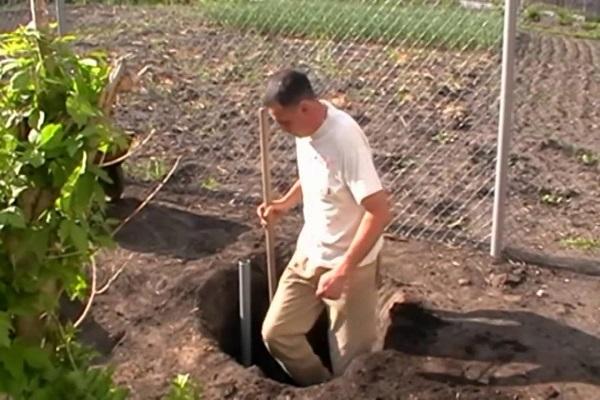
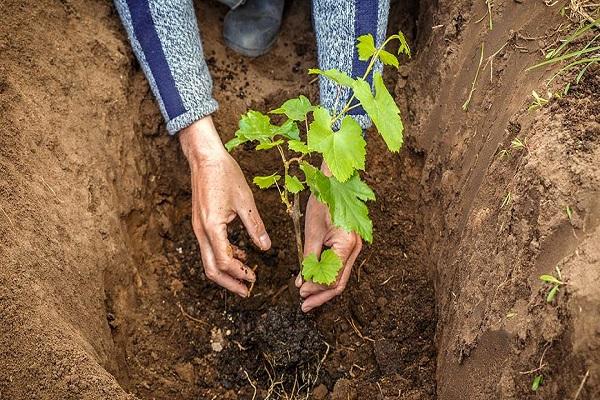
- Dig a pit measuring 80x80x80 cm, maintaining a distance of 2 m between bushes.
- But on the bottom, lay a layer of drainage cushion made of crushed stone, broken bricks (thickness 15 cm).
- Add organic matter (7 buckets), potassium and phosphate fertilizers (300 g each).
- Install a support in the center of the pit.
- Place the prepared seedling in the center of the hole and straighten its roots.
- Sprinkle with soil and water, using up to three buckets of water for each plant.
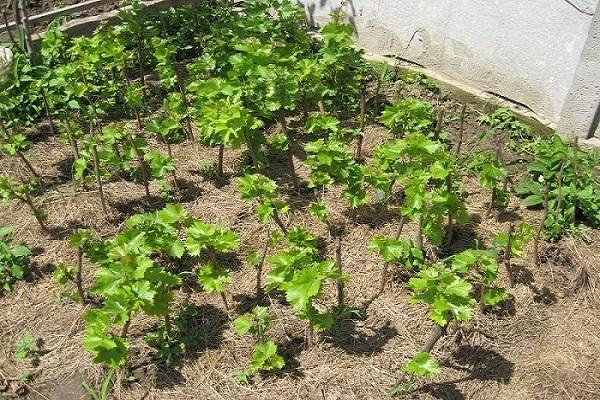
To retain moisture, the soil surface in the tree trunk circle should be mulched.
Care instructions
The Sphinx grape is marketed as an easy-to-grow plant. However, to ensure a bountiful harvest, certain guidelines must be followed.
Watering mode
Irrigation frequency should not exceed once every three weeks. It's best to water the bushes through a 20-cm-deep hole, using up to four buckets of water per bush. The first irrigation should be done three weeks before flowering, and then after the clusters have formed. In the fall, watering is reduced.
Top dressing
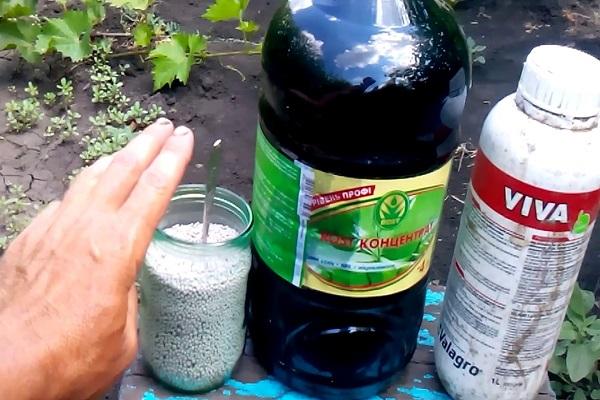
Mineral complex fertilizers should be applied three times per season, once per month. To increase plant growth, use fertilizers with a high nitrogen concentration, and to boost productivity, use fertilizers with potassium, zinc, and phosphate. In the fall, enrich the soil with superphosphates.
Trimming
Bushes are generally pruned in the fall, when they are preparing for winter. This is done at 4-6 buds. When fan-shaped, four branches are retained. Since the Sphinx variety is not prone to developing side shoots, its care is relatively simple.
Mulching
Applying mulch under bushes helps retain soil moisture, control weeds, and improve soil quality. Straw is most often used, with a layer thickness of 10 cm. Regular moistening of the mulch is recommended to activate biological processes.
Preventive spraying
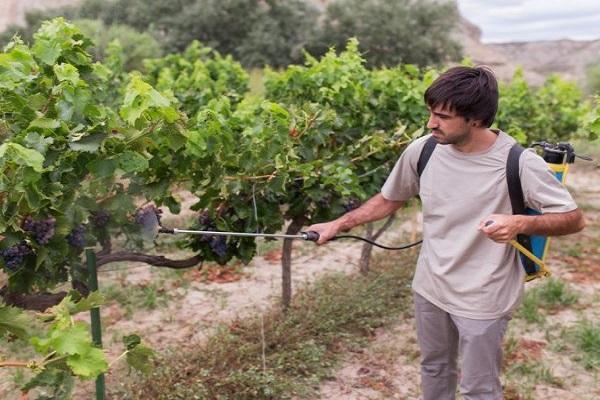
To prevent the development of diseases on Sphinx variety bushes, preventative treatments should be carried out:
- before the flowering phase begins;
- after harvesting.
To protect the bushes, use products such as Oxychom, Topaz, or other products with a high copper concentration. The last treatment is three weeks before harvesting..
Protection from birds and pests
Given the sweetness of the Sphinx berries, the bunches should be protected from birds using mirrored surfaces, magnetic tape, and sound repellents. Bags made of double mesh household mesh are effective against wasps. Special agrochemicals are used against parasitic insects.
Preparing for winter
When temperatures drop to +5°C, the bushes begin to prepare for winter. The vines are removed from their supports and laid on the ground, earthed up, and covered with mulch. Arches are installed over them, and covering material is stretched over them.
Thinning
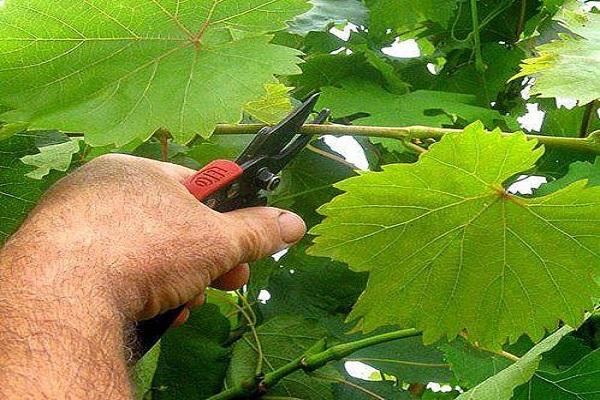
During the fruit ripening stage—three weeks before harvest—a procedure called leaf thinning is performed. These include those located at the base of the vine (old leaves) and those located near the clusters. This simple technique allows sunlight to reach the ripening berries and improves ventilation.
Methods of reproduction
Grapevine propagation is recommended using cuttings. This method has numerous advantages: cuttings quickly root, take root easily, and can be harvested as early as the second year after planting. A single plant can yield up to 10 kg of fruit.
Diseases and pests
The Sphinx variety is distinguished by its increased immunity to various diseases, but if there are serious violations in agricultural practices, it begins to get sick.
Zlatka
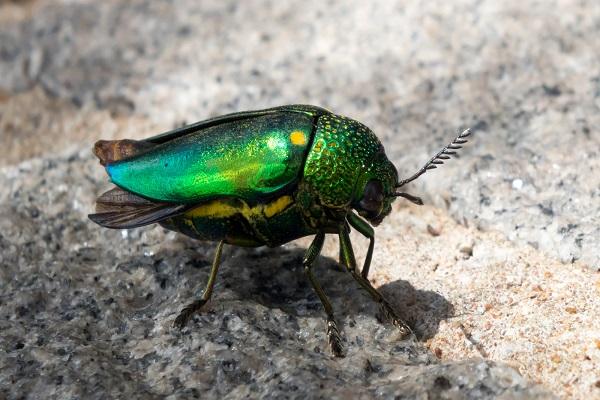
The pest is a narrow, green beetle that causes leaf deformation, shoot wilting and drying, and fruit shrinkage. Metaphos is used against it, and damaged shoots are removed and burned.
Ticks
These microscopic parasites are revealed by leaf curling on the bushes and the presence of a thin, transparent web. The pest overwinters in fallen leaves under the bushes, under the bud scales. Control them with an infusion of onion peels, marigolds, colloidal sulfur, and Actellic.
Leaf roller
Adult moths are no more than 2.5 cm in size and are active primarily in the evening. Caterpillars damage berries, inflorescences, buds, and leaves. Inta-Vir, Tanrek, Sharpei, and Fitoverm are used against leaf rollers.
Thrips
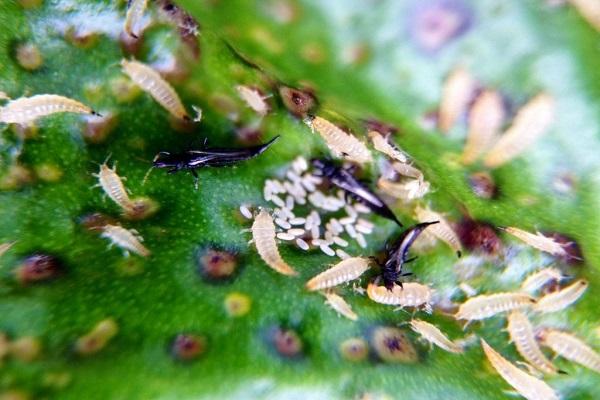
The parasite is highly prolific, making control difficult. Opening buds are the first to be attacked, followed by leaves, ovaries, and bunches of fruit. To combat this problem, products such as BI-58, Karbofos, and Actellic are used.
Phylloxera
The yellow-green microscopic pathogen skillfully camouflages itself against the foliage. To protect the bushes, use Actellic, Confidor, Marshal, and Zolon. In the spring, plants are treated with ferrous sulfate.
Weevil
The Sphinx variety is primarily threatened by the larvae of this pest. They damage swollen buds and leaves of the grapes. The beetles are especially fond of young vines. Insecticides are used to control them.
Harvesting and storage
It's recommended to pick ripe berries immediately, otherwise they will fall off. Store the bunches in a cool place for about a month, preferably in the refrigerator. Since the berries are not suitable for long-term storage, they should be processed.

Tips from experienced gardeners
Sphinx grapes are easy to grow; they withstand adverse environmental conditions well, have high productivity, and a harmonious flavor. However, to ensure they establish and thrive quickly, it's important to choose the right planting site, healthy seedlings, and plant according to the variety's guidelines. With proper care, the vine will remain disease-free and produce a bountiful harvest.
Related posts:
 Description of 30 grape varieties for Siberia, planting and care for beginners
 How to grow grapes in the Moscow region in open ground without a greenhouse
 The ripening time of grape vines by variety, how to speed up the process, and what to treat the plant with
 Description of the Julian grape variety, planting and care instructions
 Description of 30 varieties and types of Muscat grapes, planting, cultivation and care
 Description of the Krasotka grape variety, planting and care technology
 Beginner's Guide to Growing Grapes in Open Ground in Central Russia
 Description and characteristics of the Laura grape variety, planting and care