
- History of origin
- Description and Features
- Bush
- Clusters
- Berries
- Characteristics of the variety
- Frost resistance
- Drought resistance
- Productivity and fruiting
- Disease resistance
- Benefits and harms
- Acidity
- Ripening time
- Advantages and disadvantages of the variety
- How to plant correctly
- Recommendations for choosing deadlines
- Site selection and preparation
- How to select and prepare planting material
- Planting diagram
- Care instructions
- Watering mode
- Top dressing
- Trimming
- Protection from birds and insects
- Preparing for winter
- Preventive spraying
- Mulching
- Methods of reproduction
- Cuttings
- Graft
- Layers
- Diseases and pests
- Anthracnose
- Chlorosis
- Bacteriosis
- Rubella
- Bacterial cancer
- Powdery mildew
- Harvesting and storage
- Application in winemaking
- French wines
- Italian
- Australian
- Drinks from South Africa
- Chilean
- Tips and advice from experienced gardeners
Chardonnay is a wine grape variety grown by winemakers around the world. According to winemakers, Chardonnay is the only fruit variety that will never, under any circumstances, spoil the aroma and flavor of wine. Winemakers appreciated the properties of this low-yielding grape variety many centuries ago, but to this day, Chardonnay is considered an elite grape for producing unique wines.
History of origin
The origins of the Chardonnay grape continue to be the subject of much debate. Most winegrowers claim that nature itself gave the fruit to the world.
But scientists at the University of California went further, conducting DNA analysis in the late 1990s. Based on the results of their study, they declared Chardonnay grapes to be a hybrid variety, created through natural pollination. Pinot Noir grapes and a long-forgotten variety Gouet Blanc.
The Chardonnay grape has been used to develop many varieties of fruit crops, which are grown by winemakers and grape growers around the world.
Interesting! Chardonnay is one of the top three grape varieties used in the production of authentic French champagne..
Description and Features
The variety gained its popularity due to its easy adaptation to climate conditions, its unpretentiousness in care and cultivation, and, of course, its unique, balanced composition of berries, which allows the fruit crop to be used in winemaking.
Bush
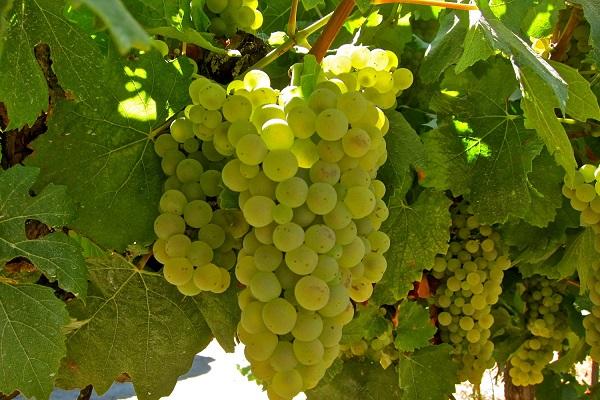
The bushes are tall and spreading, with light-brown fruiting shoots. The leaf blades are rounded, with little or no lobing, typical of this cultivar. Seedlings have green leaves with a grayish tint, while mature bushes have golden or bronze leaves. In autumn, the leaves turn bright yellow.
During the growing season, cluster-shaped inflorescences with small male and female flowers appear on the shoots.
Clusters
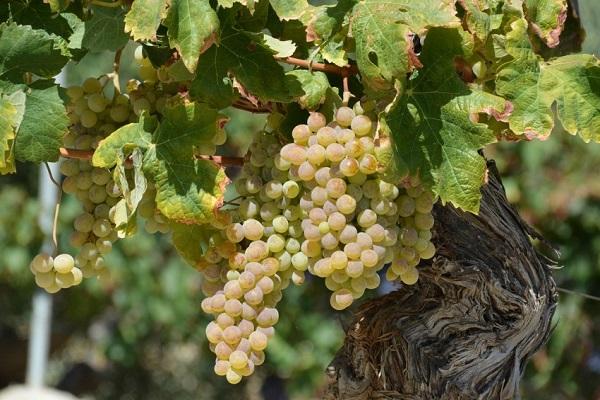
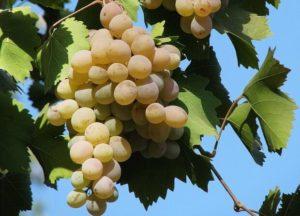
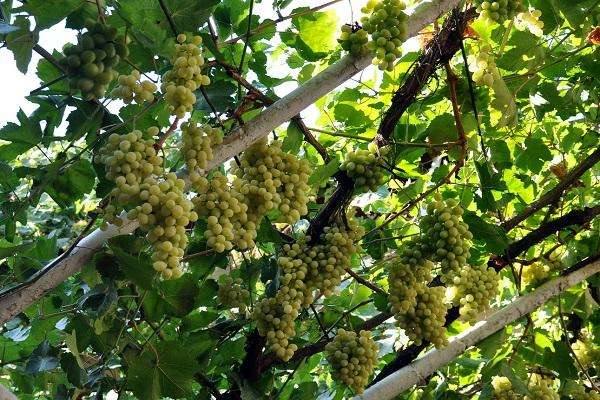
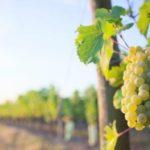
Chardonnay grape clusters are small, weighing between 90 and 200 grams, loose, and conical or cylindrical in shape. The clusters rarely exceed 12 cm in length and 10 cm in width, and are attached to the fruiting shoot by a strong stalk.
Berries
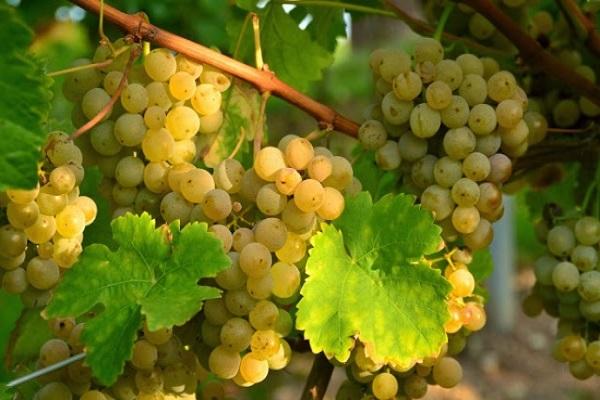
Chardonnay is a light-colored grape variety with small berries weighing up to 1.5 grams. The skin is thin, with a protective waxy coating, a whitish-greenish hue, and on the sunny side, a golden blush and brown speckles appear. The flesh is juicy, sweet and sour, with a characteristic aroma.
Important! The taste of the fruit depends on the climate and weather conditions of the growing region. Ripe Chardonnay grapes are prone to rot and swelling.
Characteristics of the variety
The quality of the harvest and the taste characteristics of the berries directly depend on external environmental conditions.
Frost resistance
Chardonnay grapes are not suitable for cultivation in northern regions. The plant can withstand temperatures as low as -21°C, but requires adequate winter insulation. It also does not tolerate spring frosts, and will lose its fruit buds.
Drought resistance
The Chardonnay variety requires a lot of water, but the plant can tolerate short periods of drought and heat without affecting the yield or taste of the fruit.
Productivity and fruiting
Chardonnay grapes are capable of self-pollination; fruiting occurs in the 3rd to 4th year of bush growth in open ground.
Of the numerous shoots, only 40% bear fruit, which negatively impacts the overall yield of the fruit crop. Only 1 to 3 clusters ripen on the vine.
In industrial quantities, no more than 8-10 tons of technical grapes are obtained from 1 hectare of land.
Take a look Also
Disease resistance
Chardonnay grapes are not known for their resistance to fungal and viral diseases. The berry bushes are treated annually with chemical and biological pesticides.
Benefits and harms
Berries contain a large amount of amino acids, vitamins, fiber, micro- and macroelements necessary for health and proper functioning of the body.
Chardonnay grape berries or juices are recommended for people with heart failure, to stimulate the gastrointestinal tract, and to treat stress, nervous tension, and insomnia.
It is recommended that people with high blood sugar and allergies limit their consumption of berries.
Acidity
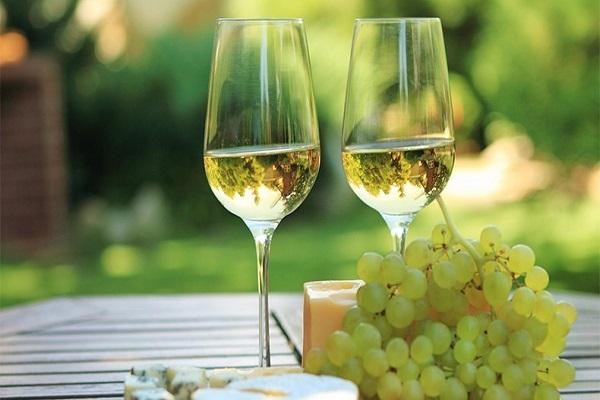
Thanks to a balanced combination of acids and sugars, Chardonnay grapes produce drinks with a unique taste and aroma.
100 ml of fresh juice contains various sugars from 18 to 23 g, acids from 8 to 11 g/l.
Important! Overripe berries have higher sugar levels, which negatively impacts the taste and quality of the resulting beverages.
Ripening time
Harvest ripening times vary depending on weather conditions and proper care. From the beginning of the growing season until the berries are fully ripened, the fruit crop requires 130 to 140 days at a combined temperature of 2600-2800 degrees Celsius.
The earliest ripening dates are recorded in the North Caucasus and Krasnodar Krai.
Advantages and disadvantages of the variety
Like any fruit crop, Chardonnay grapes have both advantages and disadvantages that are important to know before planting seedlings.
Advantages:
- The composition of the berries allows us to obtain high-quality material for the production of wines and champagne.
- Resistance to hot climate and drought.
- Relative tolerance to low temperatures down to -21 degrees.
- Many varieties and clones of fruit crops.
Another positive characteristic is the ability to blend Chardonnay grapes with other technical fruit varieties to produce wines with unusual flavors and aromas.
Flaws:
- Low resistance to fungal and viral infections.
- During the period of spring frosts, bushes lose fruit buds and ovaries.
- The variety is demanding regarding soil composition.
- Low yield rates.
- Overripe berries quickly fall off, spread out, or rot.
Tip! To protect the vineyard from recurrent spring frosts and avoid losing most of the harvest, prune early-swollen fruit buds during periods of sudden temperature fluctuations..
How to plant correctly
A high-quality harvest of Chardonnay grapes can only be obtained with the correct timing of planting and properly prepared soil.
Recommendations for choosing deadlines
The berry bush loves plenty of warmth and sun. Even in southern regions, Chardonnay grapes are recommended to be planted outdoors in the spring. This way, the young plants will have time to take root, grow, and receive nutrients before winter.
Important! When planting seedlings in the fall, carefully insulate them before winter frosts.
Site selection and preparation
For planting fruit crops, choose sunny areas on small hills on the southern or western side, protected from drafts and northern winds.
If groundwater is less than 3 meters below the soil surface, additional drainage ditches are created. Otherwise, plant roots will quickly rot and die.
Chardonnay grapes prefer fertile, well-moistened soil with a high lime content.
Site preparation:
- The area is carefully dug up, cleared of weeds, and loosened.
- The soil is mixed with organic and mineral fertilizers.
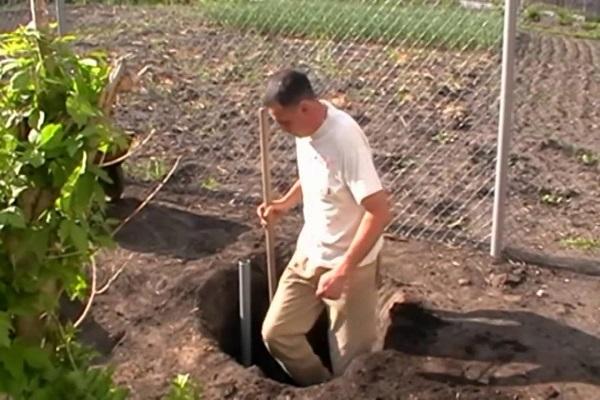
- Holes are dug 3-4 weeks before planting.
- The depth and width of the planting holes are 80 cm, the distance between plantings is 2 m, between rows 3 m.
- A drainage layer of broken stone or crushed rock is placed at the bottom of the holes, and fertile soil is poured on top.
- A support peg is driven into the hole and the plant is watered generously.
Tip! To further promote growth, development, and formation of grape vines, install trellises or arches.
How to select and prepare planting material
High-quality planting material is purchased exclusively from trusted garden centers and nurseries based on the following criteria:
- The seedlings are inspected for damage and disease.
- The trunk is smooth, uniform in color, with the obligatory presence of fruit buds or green leaves.
- The roots are well developed and moisturized, without growths, tubercles, putrefactive or fungal deposits.
Before planting, plants are placed in a solution of water and clay for 10-15 hours, after which the roots are treated with an antibacterial solution of manganese.
Planting diagram
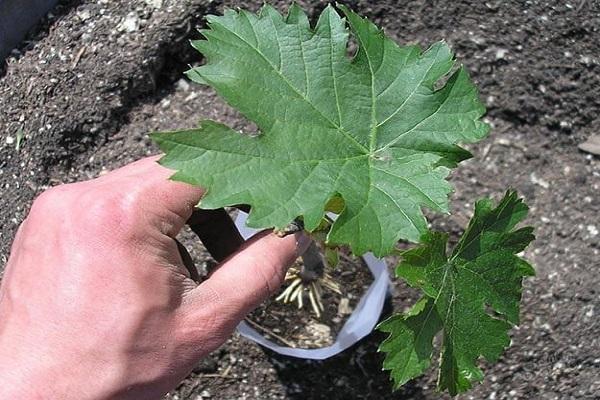
On the day of planting, the rhizomes of the plants are trimmed, leaving only long and well-developed shoots.
Landing:
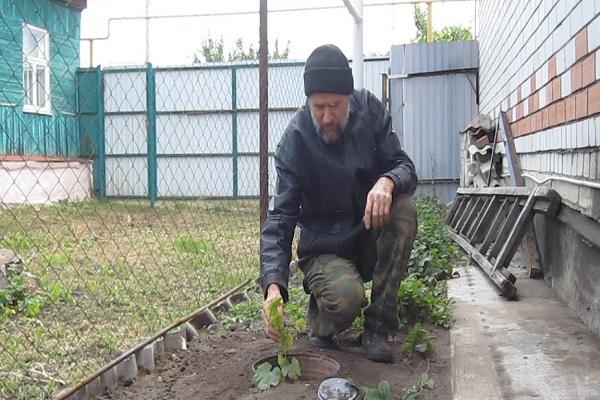
- The seedling is placed in a prepared hole.
- The roots are carefully distributed in the hole and covered with soil.
- The soil is carefully compacted and watered.
- The seedling is tied to a support peg, and the area around the trunk is mulched with straw or humus.
Important! After planting the grape seedling, the root collar should remain 5-7 cm above the soil level.
Care instructions
The quality and quantity of the future harvest depends on further care of the fruit crop.
Watering mode
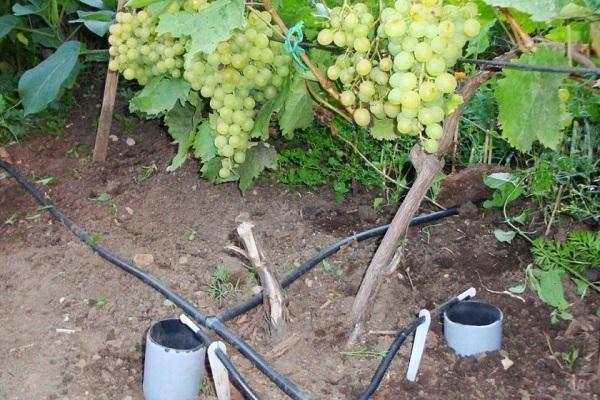
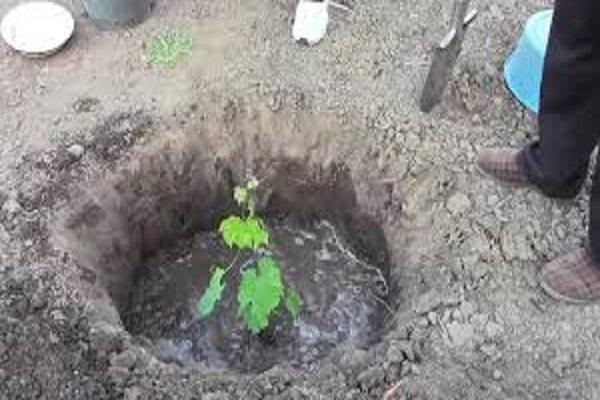
Grapevines are watered 4-5 times during the growing season. Irrigation is especially important before flowering and during fruit set. To prevent the berries from becoming too sweet, watering is stopped 10-15 days before technical ripening.
Young seedlings are watered daily until rooting is complete.
Before the onset of winter, grape bushes are watered abundantly, at a rate of up to 50 liters of moisture per plant.
Important! During periods of prolonged drought and heat, increase the frequency of watering.
Top dressing
During the growing season, fruit trees devote all their energy and nutrients to the ripening of vines and berries. Therefore, grapes require additional fertilizers and supplements.
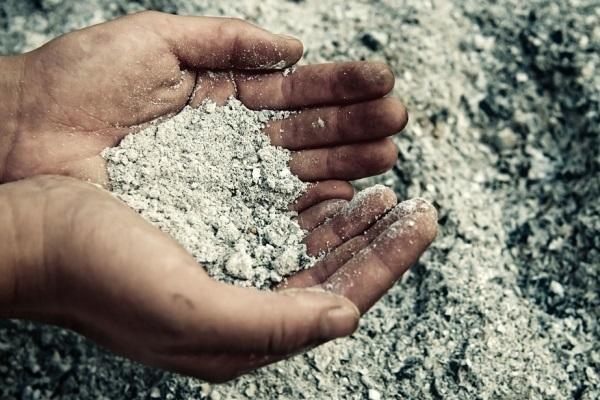
In spring, grape bushes are fed with cow or chicken manure diluted in water.
During the period of flowering and formation of ovaries, berry crops require phosphorus and potassium.
After harvesting, the grapes are fertilized with organic matter and a balanced mineral complex.
Trimming
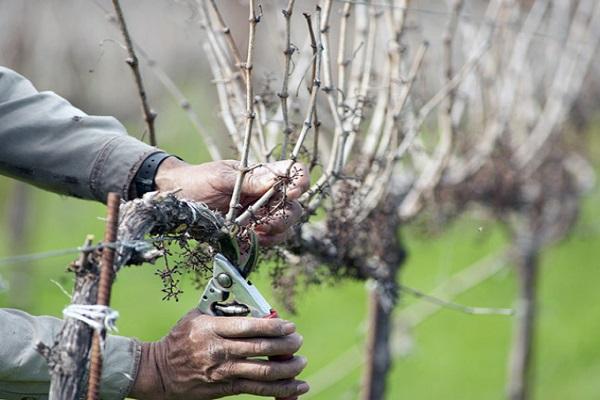
With the onset of spring, before the growing season begins, grapevines' fruiting shoots are pruned back to 8-12 buds. This variety has a low yield, so a maximum of 50 buds is acceptable per bush.
In autumn, sanitary pruning is carried out, removing all old, broken and damaged branches and shoots.
Protection from birds and insects
Birds and wasps pose a real threat to ripening berries. To protect grapes, fine-mesh nets are stretched over the bunches, and shiny objects are hung on the bushes to repel birds.
Preparing for winter
In autumn, the fruit crop is prepared for winter dormancy according to the following scheme:
- The berry bush is watered generously.
- The soil is loosened and mulched with a thick layer of humus, and covered with spruce branches on top.
- In regions with warm winters, Chardonnay grapes are grown using the high-stem method; such plants do not require additional shelter.
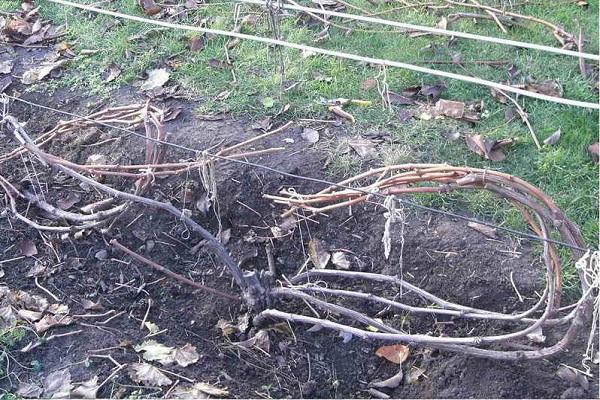
- With the fan-shaped method of forming a vineyard, the bushes are bent to the ground and covered with special materials.
Important! Before winter dormancy, pour up to 50 liters of water under each bush. If the summer and fall were dry, increase the amount to 80-100 liters..
Preventive spraying
Due to the Chardonnay grape variety's weak resistance to diseases and pests, the bushes are treated with chemical and biological pesticides twice a year.
Mulching
Mulching the tree trunk area is combined with watering and fertilizing plants. Dry grass, straw, humus, peat, and sawdust are used as mulch.
Methods of reproduction
Chardonnay grapes are propagated vegetatively. This is best done in early spring, before the buds open.
Cuttings
To prepare cuttings, select a strong, healthy shoot from a mature bush and prune it. The shoot is divided into several equal sections, each 25-35 cm long, and must contain buds or leaves. The cuttings are planted in pots or greenhouses with fertile soil; in the fall, the plants are transferred to the open ground.
Graft
For grafting, cuttings are prepared using the same method. The prepared cutting is grafted onto the rootstock of an old grapevine.
Layers
Layers are the lower shoots of bushes that are bent down to the ground and covered with soil. Only the upper portion of the shoot is left above the soil surface. Over the summer, the layer grows its own rhizomes. In the fall, the seedling is cut from the mother bush and planted in a separate hole.
Diseases and pests
Improper care and frequent weather changes provoke the development of fungal, viral and bacterial infections in grapes.
Take a look Also
Anthracnose
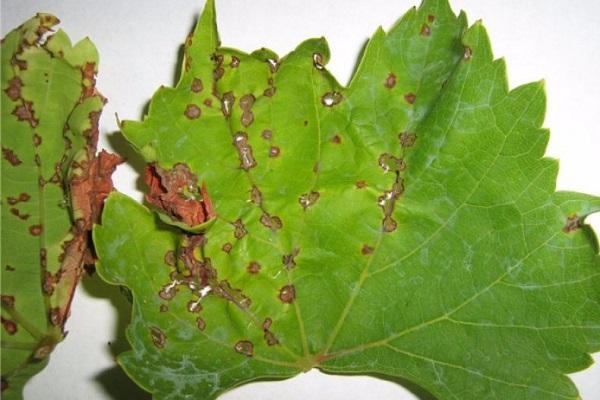
Fungal infection manifests itself as purple or brown spots on the above-ground portions of the plant. Leaves, shoots, ovaries, and bunches of fruit quickly dry out and die. For treatment and prevention, plants are treated with systemic fungicides.
Chlorosis
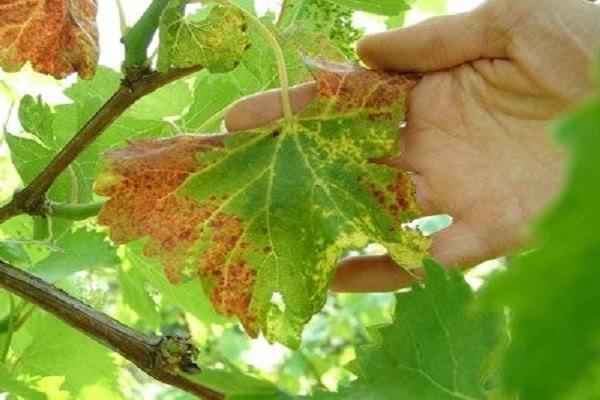
The disease manifests itself as yellowing of leaves in weakened plants during periods of prolonged rainfall or due to improper agricultural practices. Treatment involves feeding the shrub with iron-based mineral supplements.
Bacteriosis
Bacterial wilt affects the entire plant. It manifests itself as various spots and then drying out of leaves, berries, shoots, and ovaries. Sulfur-based products and biological plant protection products are used to combat the disease.
Rubella
Fungal infection manifests itself as light spots that eventually turn brown, leaves dry out and fall off, and shoots slow down in growth.
Systemic fungicides are used to prevent and treat fungal infections.
Bacterial cancer
The disease manifests itself as light-colored, bumpy growths on grapevine shoots and branches. The tumors grow and develop rapidly, leading to the death of the plant.
If the affected area is large, the plant is uprooted and destroyed. At the initial stage of the disease, the affected areas are pruned and the grapevines are treated with complex antibiotics.
Powdery mildew
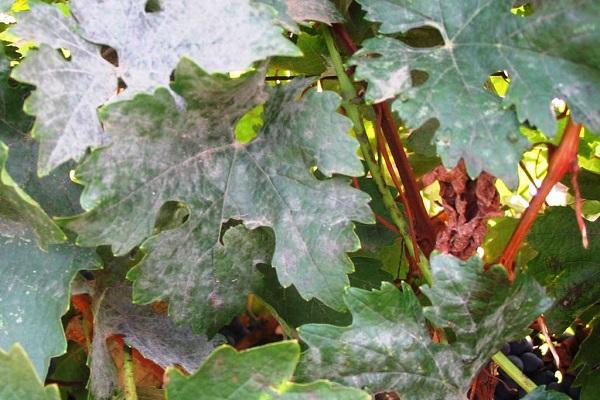
A disease caused by a fungal infection, it develops quickly and destroys both the crop and the plant itself. Powdery mildew appears as a whitish or grayish coating on leaves, ovaries, shoots, and berries.
For prevention and treatment, fungicide-based products and biological preparations are used.
Harvesting and storage
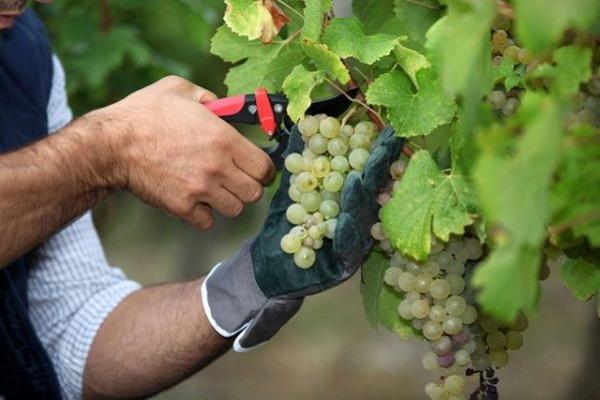
The Chardonnay grape harvest time depends directly on the region's weather and climate conditions. In the Krasnodar Krai and the North Caucasus, the berries reach technical maturity in early to mid-September.
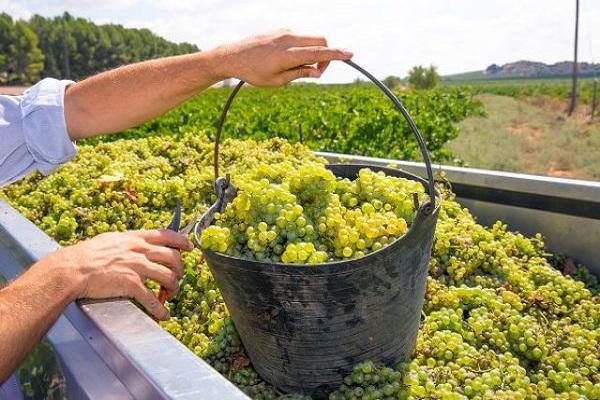
It's recommended to harvest the grapes immediately, otherwise the berries will crack, fall off, and mold. Chardonnay grapes don't keep well for long periods of time, so the harvested fruit is immediately processed.
Important! Overripe grapes accumulate too much sugar and become unsuitable for winemaking..
Application in winemaking
The taste and aroma of wine made from Chardonnay grapes depends on the growing location, soil composition, timely care, and weather conditions in the area.
French wines
French Chardonnay wines are recognized as the finest in the world. This is due to the unique limestone soil on the hills where the vineyards are grown, and the long aging of the wine in oak barrels. The wines acquire a creamy taste and caramel aroma.
Italian
In 2008, Italy took the leading position in wine production, displacing France and America.
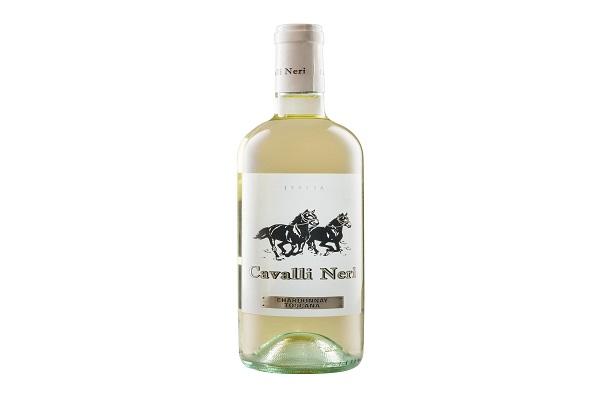
Chardonnay grapes grown on the Italian slopes are distinguished by their rich honey-fruity taste and aroma.
Australian
The grape variety was introduced to Australia in the 19th century. Since then, Australian winegrowers and winemakers have produced elite beverages renowned worldwide. Australian wines are distinguished by their unique flavors and aromas of gooseberry, oriental sweets, and a nutty finish.
Drinks from South Africa
Wines from South Africa are distinguished by their lightness and carry the taste and aroma of citrus, pineapple and yellow apple.
Chilean
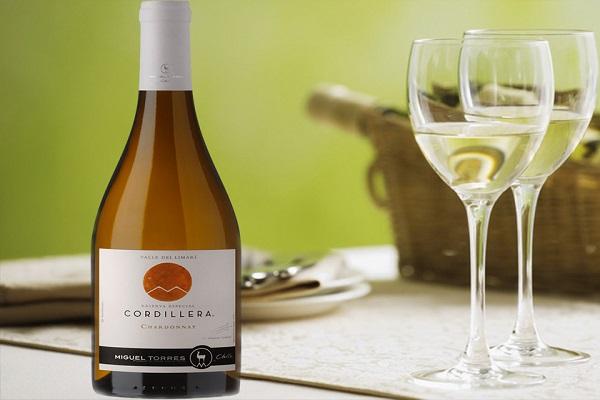
Chilean Chardonnay wines are considered light, unaged, with aromas and flavors of lemon or green apple.
Tips and advice from experienced gardeners
Experienced winegrowers and gardeners recommend planting Chardonnay grapes on west-facing slopes in calcareous soil. This heat-loving fruit crop is best planted in open ground in the spring, when the soil warms to 10-12 degrees Celsius.
Related posts:
 The ripening time of grape vines by variety, how to speed up the process, and what to treat the plant with
 Description of 30 grape varieties for Siberia, planting and care for beginners
 How to grow grapes in the Moscow region in open ground without a greenhouse
 Description of the Julian grape variety, planting and care instructions
 Beginner's Guide to Growing Grapes in Open Ground in Central Russia
 Description of 30 varieties and types of Muscat grapes, planting, cultivation and care
 Description and characteristics of the Laura grape variety, planting and care
 Description of the Krasotka grape variety, planting and care technology