
- Breeding histories
- Description of the Novella cherry variety
- Tree dimensions
- Pollinators and flowering
- Ripening period and yield
- Tasting evaluation and scope of application of fruits
- Characteristics of the Novella cherry
- Immunity to diseases and insects
- Resistance to subzero temperatures and drought
- Growing conditions requirements
- Landing features
- Deadlines
- Site preparation
- Neighborhood with other plants
- Selecting a seedling and planting techniques for cherries
- Caring for Novella cherries
- Watering
- Top dressing
- Trimming
- Pests and diseases: treatment and prevention
- Preparing for winter
- Methods of reproduction
- Gardeners' reviews
What tree is hard to imagine an orchard without? Cherries, of course. When in bloom, these beautiful trees fill the garden with fragrance, and in summer, they produce delicious fruit. Cherry varieties are incredibly diverse, with new hybrid varieties appearing every year. Frost-resistant, unpretentious variety - cherry The high-yielding Novella is gaining increasing popularity among gardeners every year. The variety was bred in Russia and received official status in 2001.
Breeding histories
Novella is a representative of domestic breeding. It was developed in the city of Orel in 2001. Several breeders collaborated on its creation. This fragrant beauty's genus contains genes from the steppe cherry and bird cherry (Cerapadus). Its direct parents are the Cerapadus 'Vozrozhdenie' and the Griot 'Rossoshanskaya'. From its ancestors, Novella inherited frost hardiness and resistance to the main fungal diseases affecting cherries, particularly coccomycosis.
Description of the Novella cherry variety
The Novella cherry tree is a beautiful, compact tree with a neat, spreading crown. This variety is suitable for private cultivation or commercial harvesting. The fruit is easy to transport and does not crack.
Tree dimensions
This beautiful tree reaches 3 meters in height. Novella is considered a medium-sized variety. The crown is spreading, slightly upright. The bark is brown. The leaf blades are matte, dark green. The buds are small and drooping. It bears fruit on last year's shoots and stems.
Pollinators and flowering
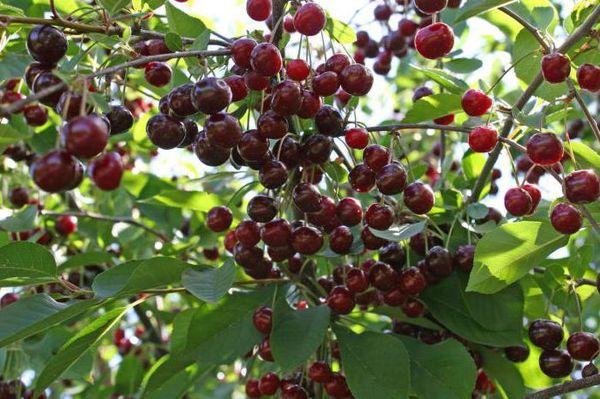
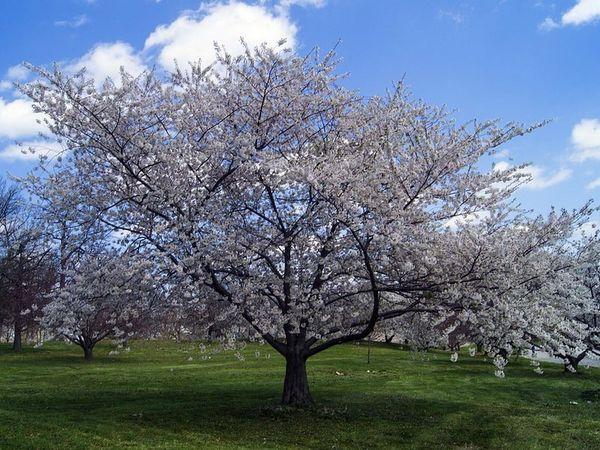
Novella begins blooming in mid-May. It is a partially self-fertile variety. Without pollinators, productivity drops by 30%. Plantings of related tree species, such as Shokoladnitsa cherry, Vladimirskaya cherry, and Ostheim griot, increase Novella's fruit set.
Ripening period and yield
The fruits ripen uniformly 2-2.5 months after flowering. The first harvest occurs in the fourth year of growth. Novella is a high-yielding variety. Up to 15 kilograms of berries can be harvested per tree in a single season. With proper care, your favorite tree on your property can become a long-lived tree.
Tasting evaluation and scope of application of fruits
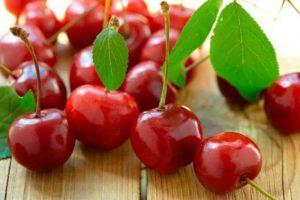
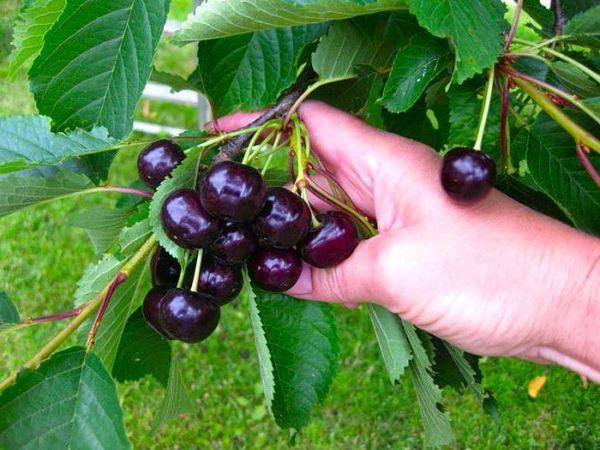
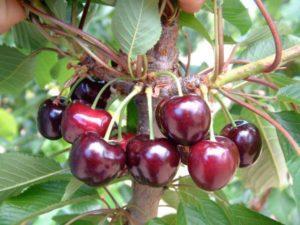
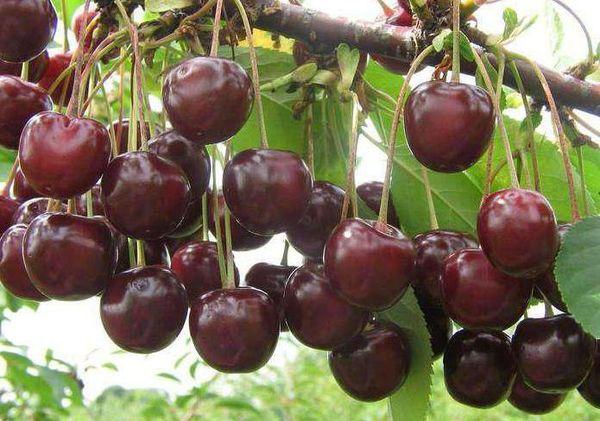
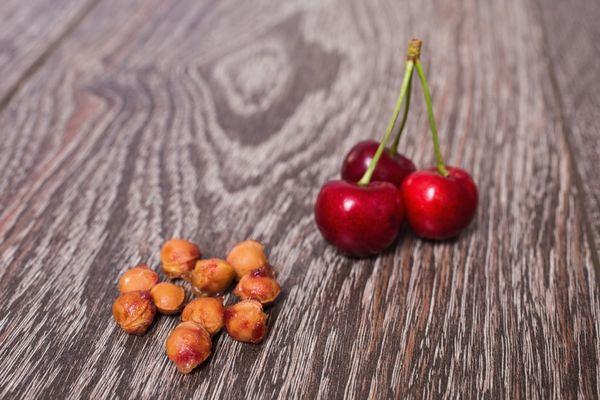
Novella berries are almost black in color, weighing an average of 5 grams per fruit. The small, yellow pit separates easily from the pulp. It has a tasting score of 4.2 out of 5. The pulp is delicious, dark red, and the fruit is resistant to cracking. The juice is deep burgundy.
The berries are versatile. They make delicious juices, compotes, preserves, and jellies. They are suitable for storage and fresh consumption. The sugar content is 12%, and the acidity is medium.
Characteristics of the Novella cherry
This variety is recommended for cultivation in the Central Black Earth Region. Its key advantages include:
- Immunity to moniliosis and coccomycosis.
- Frost resistance.
- High yield.
- Transportability and commercial quality of fruits.
Gardeners note the following disadvantages:
- Cherry is demanding in terms of soil fertility and composition.
- Average frost resistance of buds.
- It does not bear fruit every year.
- Not suitable for growing in northern regions.
One of the variety's advantages is its frost resistance. It's important to understand that this quality is specific to the recommended growing region. This means that Novella stands out for its exceptional frost resistance among cherries recommended for cultivation in the Central Black Earth Region.
Immunity to diseases and insects
The variety's advantage is its genetic resistance to moniliosis and coccomycosis. Because Novella is a distant relative of the bird cherry, the tree is less susceptible to insect pests.
Resistance to subzero temperatures and drought
The bark of the Novella cherry tree tolerates frost well. Its weak point in low temperatures is the mid-bud level; prolonged exposure to frost and winters with little snow can cause these to freeze.
The variety has average drought tolerance. During prolonged drought, supplemental watering is recommended.
Growing conditions requirements
The Novella cherry tree is an easy-to-grow variety, but it does require care. It's important to choose the right planting site, prepare the area, and follow proper agricultural practices.
Landing features
Planting begins with site selection. For cherries, it's best to choose a south or southwest-facing site. Steep slopes and lowlands are unsuitable. The groundwater level should not exceed two meters.
Deadlines
In the Central Black Earth Region, cherry trees are planted in the spring, before bud break. In the southern regions of our country, they are planted in the fall, after the leaves have fallen.
Site preparation
The plot for a cherry orchard is prepared in advance. Many gardeners prepare the soil in the fall. The soil is dug, weeds are removed, and fertilizer is applied. In the spring, holes are marked in the selected area, and organic matter or black soil is added to each planting hole along with mineral fertilizer. Drainage is installed at the bottom of the planting hole.
Neighborhood with other plants
Pollinating cherry trees are planted near Novella. Plum, rowan, hawthorn, and sweet cherry are the best neighbors. However, it is recommended to avoid apple and pear trees.
The main rule for choosing neighbors is that low-growing varieties should not be planted together with vigorous ones in an orchard; the height of the plants at maturity must be taken into account.
To maintain the moisture balance in the soil, groundcover plants are planted in the area around the tree trunk.
Selecting a seedling and planting techniques for cherries
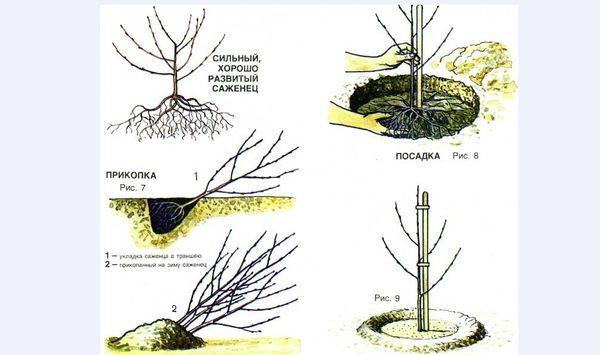
Two-year-old seedlings establish best and are less susceptible to disease after planting. At this age, the tree's height ranges from 80 centimeters to 1 meter. Particular attention should be paid to the root system. It should be well developed and free of signs of rot.
Purchase planting material from reputable stores, as this reduces the risk of buying a low-quality seedling.
Caring for Novella cherries
The unpretentious Novella requires systematic care. The tree has high soil requirements, requiring the addition of organic and mineral fertilizers.
Watering
During prolonged drought, watering is increased. On average, a tree consumes about 20 liters of warm water per one irrigation. Cherry trees are watered at the roots. Excess moisture at the roots is harmful to the plant. The fruit becomes waterlogged, and the risk of fungal diseases increases.
Top dressing
Cherry trees require regular organic fertilization. A nutrient cocktail for the plant is created by mixing a water solution of mullein and wood ash. A phosphorus-potassium mineral fertilizer is essential in the fall.
Trimming
To ensure the cherry tree's appearance and a stable harvest, it needs to be pruned. For Novella, it's recommended to perform sanitary and crown-thinning pruning twice a season: in spring and fall.
Pests and diseases: treatment and prevention
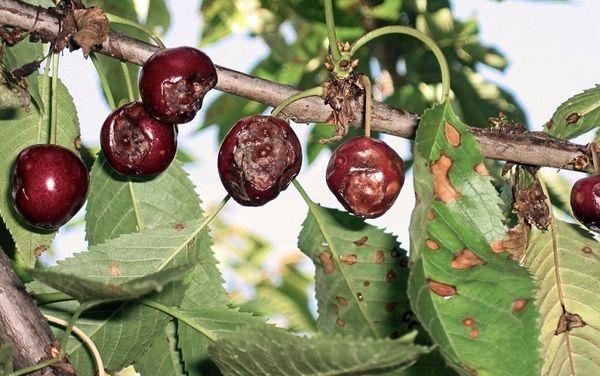
The main advantage of the variety is the tree’s genetic resistance to coccomycosis and moniliosis.
In spring, it is recommended to treat the tree with fungicides against aphids and cherry sawflies. A time-tested folk remedy for protecting trees from aphids and other insect pests is whitewashing the trunk with slaked lime. This treatment is carried out twice a season—in early spring and late fall. Pruning dead stems also helps prevent the spread of infectious diseases.
Take a look Also
The tree trunk area is loosened, and weeds are removed promptly. Marigolds, calendula, or other fragrant herbs are planted nearby to repel pests.
Preparing for winter
During the winter, it's important to protect the tree's root system. The area around the trunk is thoroughly loosened, weeds are removed, and mulched with last year's leaves, hay, and wood ash. The trunk is coated with slaked lime. The plant's branches are trimmed, removing all dead ones. Damaged bark is sealed with garden pitch, as are the cuts from pruned branches.
Methods of reproduction
The Novella cherry is easy to propagate on your own; the tree lends itself to the following methods of propagation:
- cuttings;
- propagation by root shoots;
- green shoots.
The most accessible and least energy-intensive option is to purchase seedlings from a store. It's recommended to purchase potted planting stock from reputable stores, as this reduces the risk of purchasing low-quality seedlings.
Gardeners' reviews
Ekaterina Yuryevna Kozhinova, 42, Krasnodar: "I've been growing Novella cherries for seven years. I harvested my first crop when the tree was four years old. The berries are large, aromatic, and almost black. The pits are easy to remove, making delicious jam. They don't crack when used in compotes. They keep fresh in the refrigerator for about a week. The tree survives the winter well and has never suffered from fungal infections."
Oleg Mikhailovich Kopylov, 58, Saratov: "This variety is perfect for small plots. I planted it next to a Vladimir cherry. The harvest is impressive. During dry periods, additional watering is required, otherwise the Novella will drop its leaves and some of its fruit. The berries have a real, sweet and sour cherry flavor. It's an ideal cherry for compotes. I haven't had any problems with care. I only treat the tree for pests once a season, before flowering, which is sufficient; I haven't encountered any diseases."
Related posts:
 Description and pollinators of the Vladimirskaya cherry variety, planting and care
 Characteristics and description of the Shokoladnitsa cherry variety, pollinators and fruiting
 Description of the 25 best cherry varieties for the Urals and Siberia, planting and care in open ground
 Description and varieties of cherry variety Shpanka, planting and care
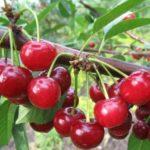 Description and characteristics of the miracle cherry hybrid, planting and care of the variety
 Description and cultivation of a cherry-bird cherry hybrid, the Cerapadus variety
 Description of the Zhukovskaya cherry variety, planting and care in open ground
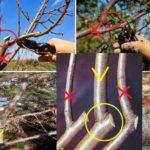 When and how to prune cherry trees correctly, and tree shaping schemes for a good harvest