
- Description and characteristics of the variety
- Disease resistance
- Productivity and taste
- The main positive and negative aspects
- The intricacies of growing Uladar potatoes
- Preparing the site for planting
- Preparation of planting material
- Planting in the ground, planting scheme
- Further care of potatoes
- Fertilization
- Watering
- Loosening and weeding
- Hilling
- Diseases and pests
- Harvesting and storage
- Reviews from experienced gardeners
Canteen The Uladar potato variety is the result of Belarusian Selected, it is distinguished by its high quality and justifiably popular among gardeners. This crop is an early-ripening variety with high yields and is also characterized by its ease of care.
Description and characteristics of the variety
The Uladar potato variety has a number of characteristics that distinguish it from other crops – the plant is adapted to any soil and is also resistant to diseases..
Disease resistance
One of the main advantages of this variety is its disease resistance. The plant is fully adapted to potato wart and nematode diseases, and is also resistant to scab, rhizoctonia, tuber blight, and other fungal diseases.
However, under unfavorable weather conditions, leaves can sometimes be susceptible to late blight. Furthermore, potatoes lack protection against the Colorado potato beetle.
Productivity and taste
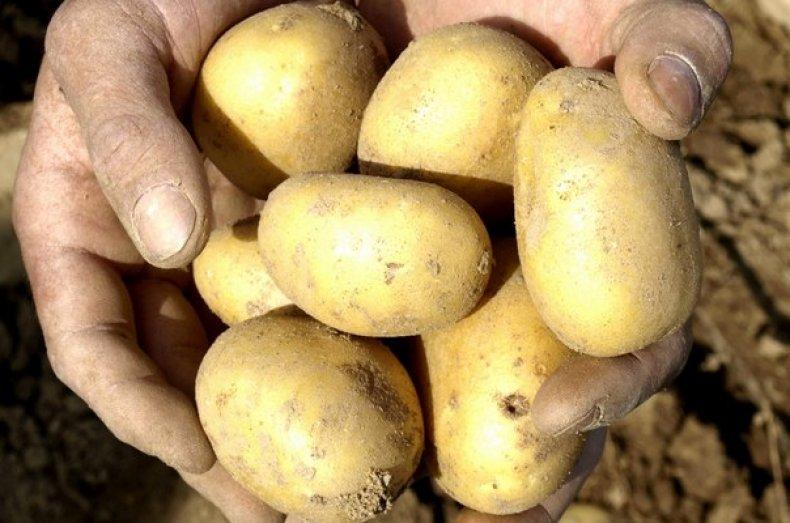
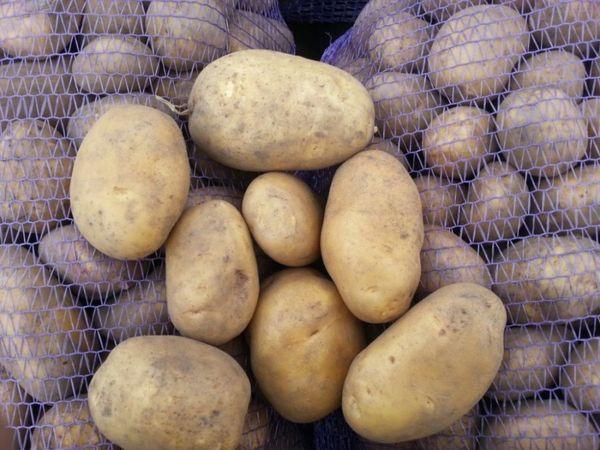
Uladar is an early-ripening variety with a high yield. The average root weight reaches 180 grams, and a single plant can yield up to three kilograms. On average, the harvest can reach 60 tons. This variety is distinguished by its low starch and sugar content. Its dense structure prevents the potatoes from becoming overcooked and preserves their flavor even after prolonged cooking.
The main positive and negative aspects
This crop has become widespread due to its positive characteristics. Gardeners and farmers confirm that the Uladar variety possesses the following beneficial properties:
- early ripening period, thanks to which gardeners harvest up to two times per season;
- adaptation to diseases;
- the composition and rigidity of the structure of root crops ensures their long-term preservation;
- the variety is not demanding in terms of storage and growing conditions;
- high taste and commercial qualities;
- as a rule, fruits are not subject to mechanical damage;
- there is no need for additional feeding and fertilizer mixtures.
Take a look Also

Despite its many positive characteristics, the variety also has its drawbacks. The potato requires strong chemical treatment against the Colorado potato beetle, as well as intensive watering during drought periods.
The intricacies of growing Uladar potatoes
This variety is grown in almost all regions of the country. Uladar is undemanding regarding soil and watering, but it is important to follow the rules for preparing the site and planting material.
Preparing the site for planting
Before planting, a fertilizer mixture must be added—this could be manure, humus, or other mineral fertilizers. The fertilizer should contain nitrogen, potassium, and phosphorus. Then the entire area is dug over and moistened.
Preparation of planting material
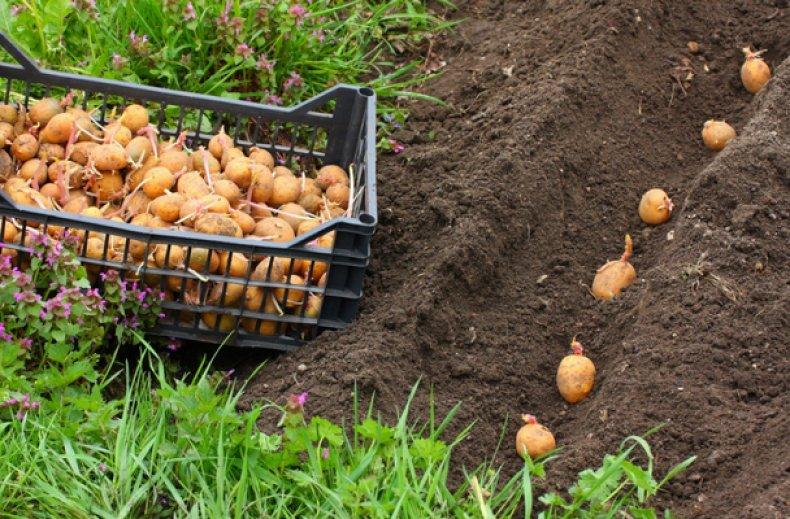
Immediately before planting, potatoes need to be sprouted to produce shoots. To do this, place the seedlings in boxes and leave them in a room with a temperature of about 15 degrees Celsius. After a couple of weeks, inspect the vegetables for sprouts. Before planting, soak the tubers in a solution of potassium permanganate.

Planting in the ground, planting scheme
Potatoes can only be planted in soil that has warmed sufficiently. When planting, mineral fertilizers should be added, and the soil should be fertilized with compost. On the day of planting, it is recommended to treat the tubers with pest control products. The planting schedule then looks like this:
- Make shallow holes—about 15 centimeters deep. Leave about 70 centimeters between rows and 30 centimeters between holes.
- Plant the potatoes 6-8 centimeters deep, with the sprouts facing up.
- Sprinkle with soil.
If fertilizers weren't applied on time, wood ash is added along with the tubers. Nitrogen-containing mixtures are avoided during this period.
Further care of potatoes
To achieve excellent results and a high yield, you should follow the basic rules for caring for the crop.
Fertilization
After planting, the plant requires nutrients such as phosphorus and potassium. A few applications of fertilizer throughout the season will suffice. Nitrogen-containing mixtures are added as a last resort, if the bushes are not large enough. However, caution should be exercised when doing so, as excessive amounts of nitrogen negatively impact the yield.
Watering
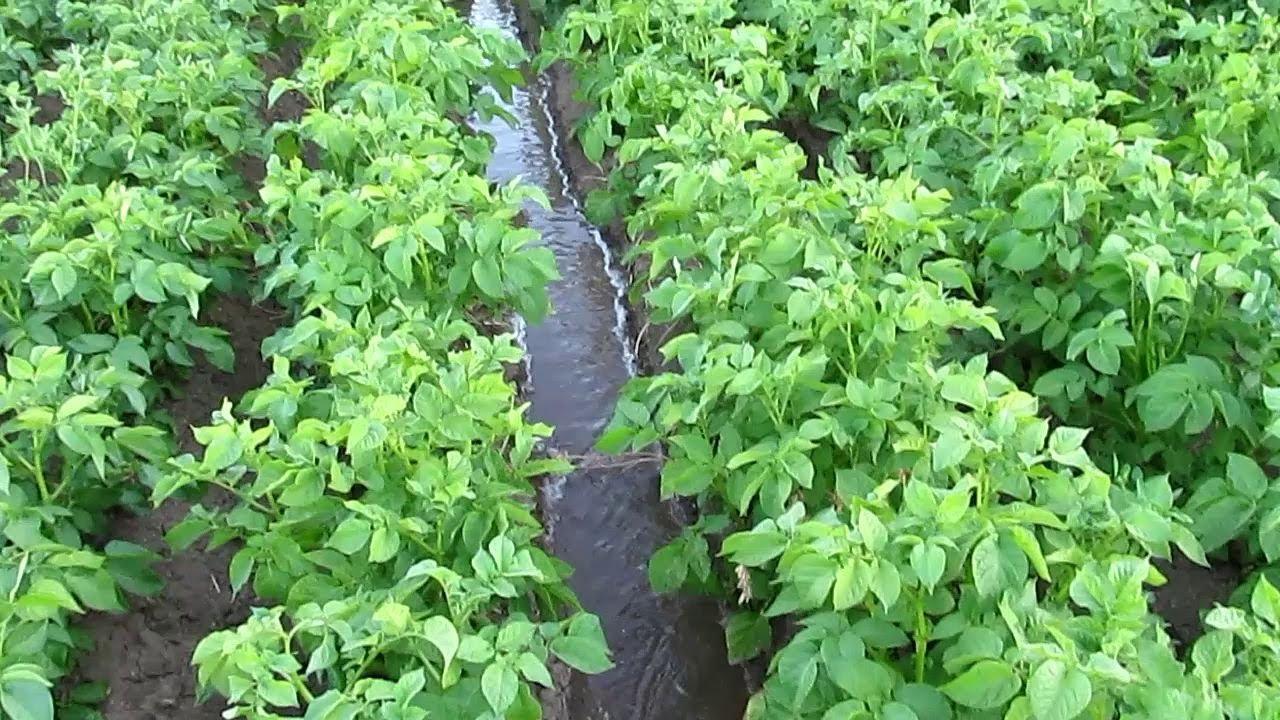
The soil should be watered no more than three times per season: when the shoots emerge, during flowering, and finally, when the roots ripen. During the rainy season, watering should be avoided, but during drought, the amount of watering should be increased to eight times.
Loosening and weeding
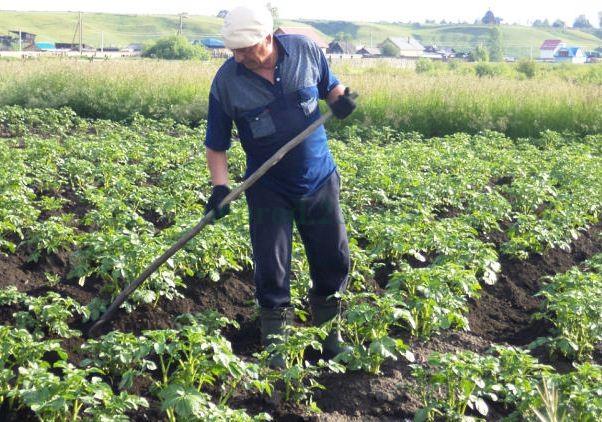
The soil is loosened periodically to provide oxygen to the plants. Weeding is also an important part of potato care, as weeds steal nutrients and hinder growth. Weeding is performed as needed.
Hilling
The first hilling is done when the plant reaches a height of 10 centimeters, and the second is done three weeks later. The hilling process should be accompanied by weed removal. To improve oxygen availability, it is recommended to keep the soil constantly loose. Mulching the beds has a positive effect on future harvests.
Diseases and pests
After the first shoots appear, the bushes should be inspected for pests and signs of disease. Owners of the Uladar variety will not encounter such a problem as potato cancerPotato nematodes are also not a concern. However, the plant is prone to leaf curl. In this case, the bushes are treated with potassium permanganate or hydrogen peroxide. If fungal infections develop, fungicides are used.
Spraying the plant with special solutions against insects is of great importance during and after flowering.
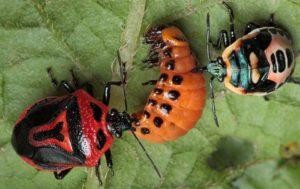
This procedure is performed up to four times per season. It is also recommended to use different treatments, as pests develop resistance and immunity. If the Colorado potato beetle infestation is small, hand-picking the pests is acceptable.
Harvesting and storage
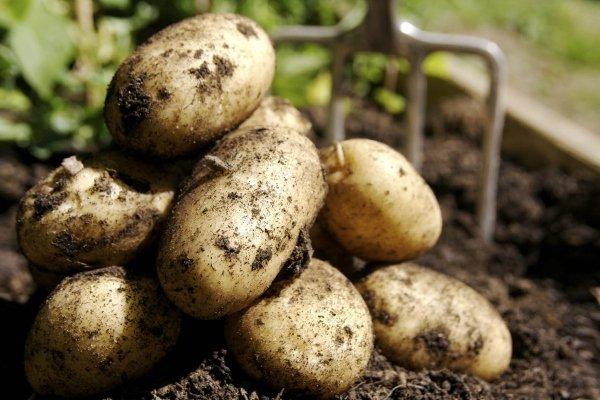
Uladar is easy to harvest because its roots are close to the surface. Typically, gardeners harvest the roots up to twice per season. When planted early, the first harvest occurs in June, and the second in late August or early September. This success rate depends directly on the care required and the soil in which the variety was grown.
The tubers are dug up while the plant is still green. The harvest is then spread out in an even layer and dried, before being stored in a cool, moderately humid place.
Reviews from experienced gardeners
Reviews of the Uladar variety are generally positive – gardeners and people who use potatoes for industrial purposes are pleased with the yield and taste.
 Michael
"We've been growing this variety for five years now, and we're not even thinking about switching. The yield is always impressive, and there are no particular problems with care. The only downside was that we couldn't get rid of the Colorado potato beetle at first. Otherwise, we're happy with the potatoes!"
Alexandra
"This variety is a godsend for our clay soil. At first, the yield was minimal, but now we're running out of storage space. We've even started selling it at the local market—everyone's happy with the taste. It's true, sometimes we have a tough time dealing with the Colorado potato beetle."
Related posts:
 Description and treatment of potato pests, control measures
 Description and treatment of potato diseases, methods of control using folk and chemical means
 Why potatoes aren't growing well in the garden, and what to do to ensure a bountiful harvest
 Description and characteristics of the Lorkh potato variety, planting and care
 Description and characteristics of the Elizabeth potato variety, planting and care instructions
 Description of the Ivan da Marya potato variety, planting rules and care
 Description and characteristics of the Rosara potato variety, planting and care
 Description and characteristics of the Gulliver potato variety, planting and care